
Short Answer
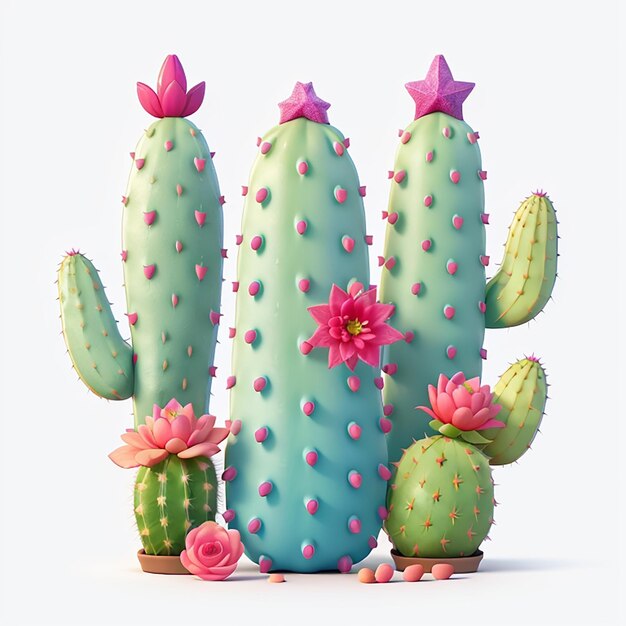
In the vast, untamed deserts of imagination, where the sun bleeds into the horizon and the wind whispers secrets older than time, the humble cactus emerges not as a mere plant, but as a symbol of resilience, mystery, and arcane power. Fantasy novels, those beguiling labyrinths of ink and wonder, have long harnessed the cactus’s prickly silhouette to evoke a sense of the otherworldly. It is a plant that defies the harshest conditions, thriving where others wither—a metaphor ripe for storytelling. From the sun-scorched badlands of a dying world to the enchanted gardens of elven kingdoms, the cactus has evolved from a desert dweller into a canvas for magical and mystical portrayals that captivate readers and ignite their sense of wonder.
The Cactus as a Portal to the Arcane: Gateways in the Wilderness
Imagine a lone cactus standing sentinel in the heart of a barren expanse, its arms outstretched like the branches of an ancient, gnarled tree. To the untrained eye, it is merely a plant. But to the adventurer who stumbles upon it, it may be a threshold—a gateway to realms unseen. In many fantasy narratives, the cactus serves as a silent guardian of hidden knowledge or a conduit to otherworldly energies. Its spiny exterior, often described as a barrier of thorns, becomes a riddle: to pass, one must solve its prickly enigma. Some tales speak of cacti that bloom only under the light of a blood moon, their flowers unfurling to reveal a path to a forgotten temple or a celestial observatory where the stars themselves whisper prophecies.
Consider the “whispering cactus,” a rare and revered plant said to murmur secrets in a language only the initiated can decipher. In the world of The Sands of Eternity, a cactus in the Whispering Dunes emits a low, resonant hum when touched by moonlight, guiding lost travelers—or luring them into traps set by desert nomads who worship the plant as a deity. Such portrayals transform the cactus from a passive backdrop into an active participant in the story’s magic, a silent yet sentient force that shapes the fate of those who encounter it.

Thorns of Power: The Cactus as a Source of Enchanted Energy
Not all cacti are mere decorations in the tapestry of fantasy. Some are repositories of raw, untamed power, their spines crackling with electricity or oozing a luminous sap that can heal—or poison. The “storm cactus,” for instance, is said to store the fury of desert tempests within its fleshy body. When struck by lightning, it releases a surge of energy capable of powering ancient machinery or fueling the spells of a desert mage. In The Stormborn Chronicles, the protagonist, a rogue sorcerer, harvests the sap of a storm cactus to forge a blade that can cut through the very fabric of reality—a weapon that becomes both a blessing and a curse.
Other cacti are imbued with the essence of the earth itself. The “rootbound cactus” grows not from soil but from the bones of a long-dead titan, its roots intertwining with the skeletal remains to form a living, breathing entity. Those who consume its fruit gain temporary invulnerability to the scorching desert winds, but at a cost: the cactus’s spirit lingers, whispering warnings of the titan’s buried wrath. Such narratives weave the cactus into the very fabric of the world’s mythology, making it a vessel for both salvation and peril.
Desert Nomads and Cactus Cults: The Spiritual Dimension
In the arid expanses of fantasy worlds, where water is currency and survival is a daily ritual, the cactus is more than a plant—it is a deity, a teacher, and a companion. Desert nomads, those weathered wanderers who traverse the endless sands, often revere the cactus as a sacred symbol of endurance. The “sentinel cactus,” with its towering height and protective spines, is believed to house the spirit of a long-dead guardian. Pilgrims journey to these plants, leaving offerings of water and rare herbs in exchange for guidance or protection.
Some cultures, however, take this reverence to darker extremes. The “bloodthorn cactus” is said to feed on the life force of those who harm it, its thorns injecting a paralyzing venom that slowly turns victims into living statues. In the grimdark novel The Hollow Sands, a cult of fanatics cultivates these cacti, believing that their suffering will be transmuted into power for their dark rituals. The cactus, in this context, becomes a mirror of human nature—capable of nurturing life or inflicting unimaginable torment, depending on the hands that tend to it.

Cacti in Alchemy and Potion-Making: Elixirs of the Desert
The alchemical traditions of fantasy worlds often turn to the cactus for its potent properties. The “moonbloom cactus,” which flowers only once every decade, yields a nectar that can induce prophetic visions—or drive the drinker mad. Alchemists distill its essence into a rare elixir known as “sandwalker’s tears,” a potion that allows the imbiber to traverse the desert without food or water for days. Yet, the cost is steep: prolonged use erodes the user’s memories, leaving them as hollow shells of their former selves.
Other cacti produce substances with more sinister applications. The “veinroot cactus” grows in the shadows of canyons, its roots pulsing with a crimson sap that, when ingested, grants temporary clairvoyance—but at the risk of awakening dormant horrors buried in the user’s mind. In The Crimson Bloom, a healer discovers that the sap can also be refined into a truth serum, forcing even the most cunning liars to confess their deepest secrets. The cactus, in this role, becomes a tool of both enlightenment and exploitation, a duality that mirrors the moral complexities of its wielders.
The Cactus as a Metaphor: Resilience, Isolation, and Hidden Beauty
Beyond its magical and mystical roles, the cactus in fantasy novels serves as a potent metaphor for resilience, isolation, and the beauty that thrives in adversity. In a genre often dominated by towering castles and sprawling cities, the cactus stands as a reminder of the harsh, untamed worlds that exist beyond the familiar. It is a symbol of survival in the face of insurmountable odds, a testament to the idea that strength is not found in grandeur, but in endurance.
Consider the “luminous cactus,” a plant that glows faintly in the darkness, its light a beacon for those lost in the desert. Its glow is not merely decorative; it is a lifeline, a promise that even in the darkest of nights, there is a path forward. In The Lightbringer’s Oasis, the protagonist, a disgraced knight, finds solace in the glow of these cacti, seeing in them a reflection of their own inner fire—a fire that refuses to be extinguished, no matter how bleak the journey.
The cactus, with its paradoxical nature—both forbidding and nurturing, dangerous and life-giving—embodies the dualities that define the fantasy genre. It is a plant that can kill with a single prick or heal with a single touch, a symbol of the unpredictable and often contradictory forces that shape the worlds we love to explore. In the hands of a skilled storyteller, the cactus becomes more than a plant; it becomes a character, a force of nature, and a mirror to the human soul.
A New Lens on the Desert: The Cactus as a Gateway to Wonder
As we venture deeper into the realms of fantasy, it is time to shift our perspective. The cactus, once relegated to the role of a mere desert prop, now stands as a testament to the genre’s boundless creativity. It is a plant that can be a guardian, a deity, a weapon, or a healer—depending on the storyteller’s whim. Its prickly exterior hides a world of magic, its thorns conceal secrets, and its blooms reveal truths that shatter the boundaries of reality.
So the next time you encounter a cactus in a fantasy novel, pause and look closer. It is not just a plant. It is a promise—a promise of adventure, of danger, of wonder. It is a reminder that even in the most barren of landscapes, life—and magic—can flourish. And perhaps, just perhaps, it is a sign that the desert is not a place of desolation, but a threshold to something far greater.
FAQ
What role do cacti play in fantasy novels?
Cacti often symbolize resilience and magic, serving as mystical elements or metaphors for characters and themes within the story.
How are cacti portrayed in different fantasy contexts?
Cacti can be depicted as guardians, sources of power, or spiritual symbols, each contributing to the narrative’s depth and complexity.


Leave a Reply