
Short Answer
There’s something almost magical about watching a Christmas cactus burst into vibrant blooms just as the year’s shortest days begin to lengthen. This seasonal synchronicity isn’t mere coincidence—it’s a living testament to nature’s quiet poetry, a reminder that even in the depths of winter, life finds a way to celebrate. The Schlumbergera, with its cascading, segmented stems and radiant flowers, isn’t just a houseplant; it’s a symbol woven into the fabric of human tradition, resilience, and joy. Its presence in our homes during the holidays feels like an unspoken promise: that light will return, even when the world feels darkest.
The Christmas Cactus as a Living Calendar of the Seasons
Unlike many plants that bloom in response to temperature or rainfall, the Schlumbergera has evolved to synchronize its flowering with the winter solstice. This isn’t just a quirk of nature—it’s a survival strategy honed over millennia. In its native Brazilian rainforests, the cactus grows as an epiphyte, clinging to tree branches where it receives dappled sunlight and frequent moisture. Yet, as the days grow shorter in the Southern Hemisphere’s winter, the plant interprets the shifting light as a cue to prepare for reproduction. The result? A breathtaking display of flowers that unfurls just as the world outside seems to hibernate.
This seasonal alignment has made the Christmas cactus a silent chronometer for humanity. For centuries, cultures around the globe have used natural phenomena—bird migrations, tree blossoms, animal behaviors—as markers of time. The Schlumbergera, with its uncanny timing, has quietly inserted itself into this tradition. It doesn’t just decorate our windowsills; it becomes a living almanac, its blooms a signal that the wheel of the year is turning once more. In an era where artificial lighting and climate control have blurred the edges of seasons, the Christmas cactus offers a tangible connection to the earth’s ancient rhythms.
The Symbolism of Resilience: A Plant That Thrives Where Others Falter
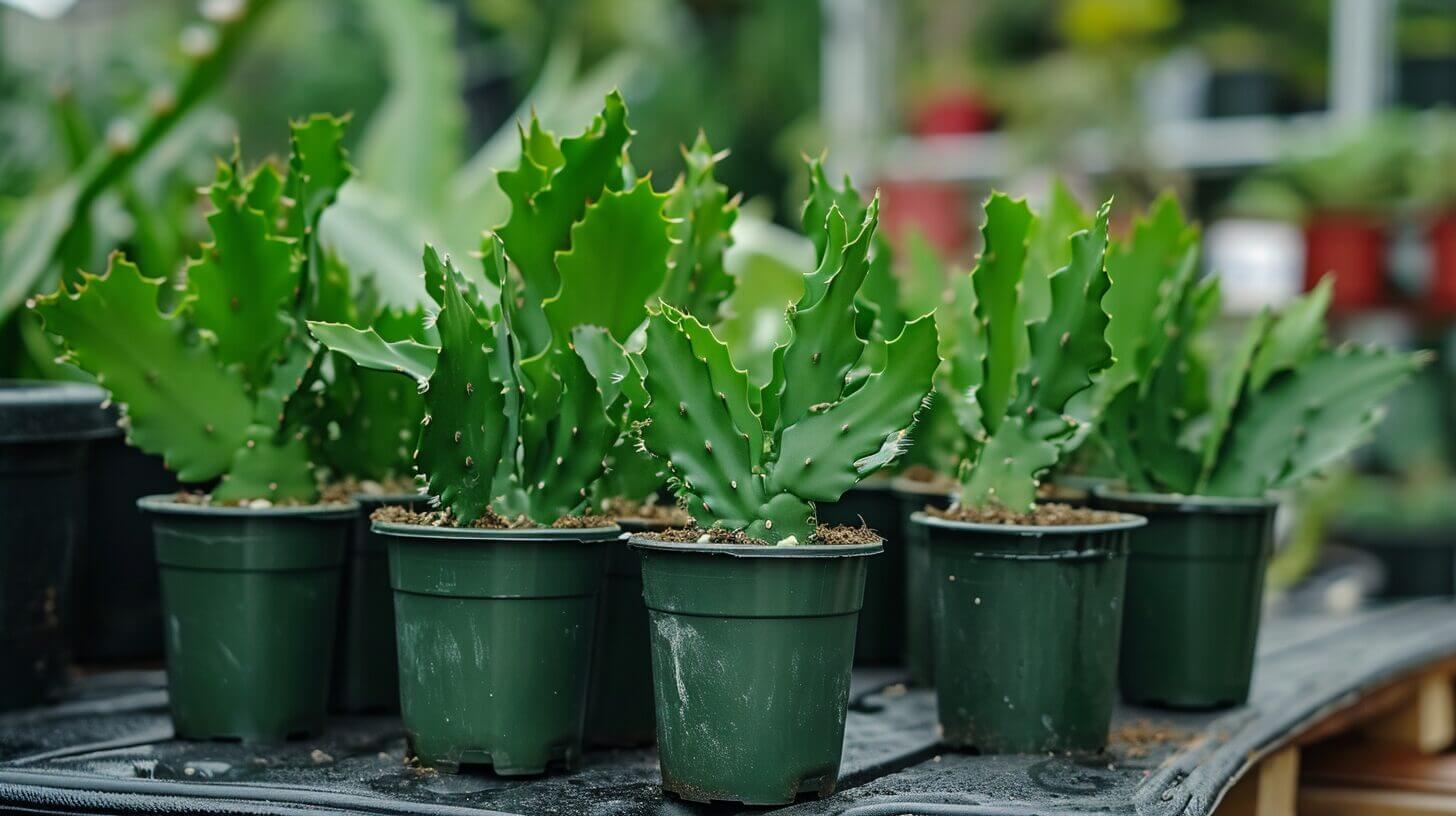
Few plants embody the spirit of perseverance as vividly as the Schlumbergera. Its segmented stems, which resemble a series of linked paddles, are not just an aesthetic quirk—they’re a marvel of evolutionary ingenuity. These flattened, succulent pads store water with remarkable efficiency, allowing the plant to endure prolonged dry spells. Yet, what truly sets the Christmas cactus apart is its ability to flourish in conditions that would wither most other flora. It doesn’t demand constant attention; it doesn’t crave the relentless sun of a desert. Instead, it asks for consistency—moderate light, occasional water, and a touch of patience—and in return, it rewards its caretakers with a spectacle of color.
This resilience has made the Schlumbergera a metaphor for human endurance. In folklore and modern symbolism, it’s often associated with overcoming adversity, a reminder that even in the face of scarcity or hardship, life can find a way to thrive. The plant’s segmented structure, too, lends itself to interpretation. Each paddle-like stem is a link in a chain, a visual representation of how small, incremental efforts—like the daily care of a houseplant—can accumulate into something extraordinary. It’s no wonder that in cultures where survival has historically depended on patience and adaptability, the Christmas cactus has been embraced as a totem of hope.
From Pagan Rituals to Holiday Traditions: The Cactus in Cultural Lore
The Christmas cactus’s association with celebration isn’t accidental—it’s deeply rooted in the interplay between nature and human tradition. Long before it graced Victorian parlors, the Schlumbergera was intertwined with indigenous South American customs. The Tupi-Guarani people of Brazil, for instance, revered epiphytic plants like the Christmas cactus as symbols of protection and fertility, believing they housed spirits of the forest. When European colonizers arrived, they encountered these plants and, over time, repurposed their symbolism to fit the Christian calendar.
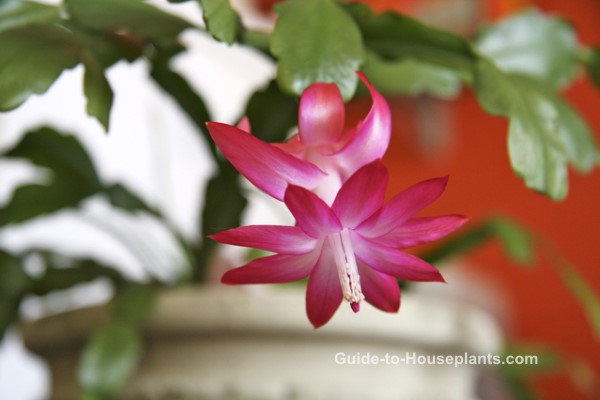
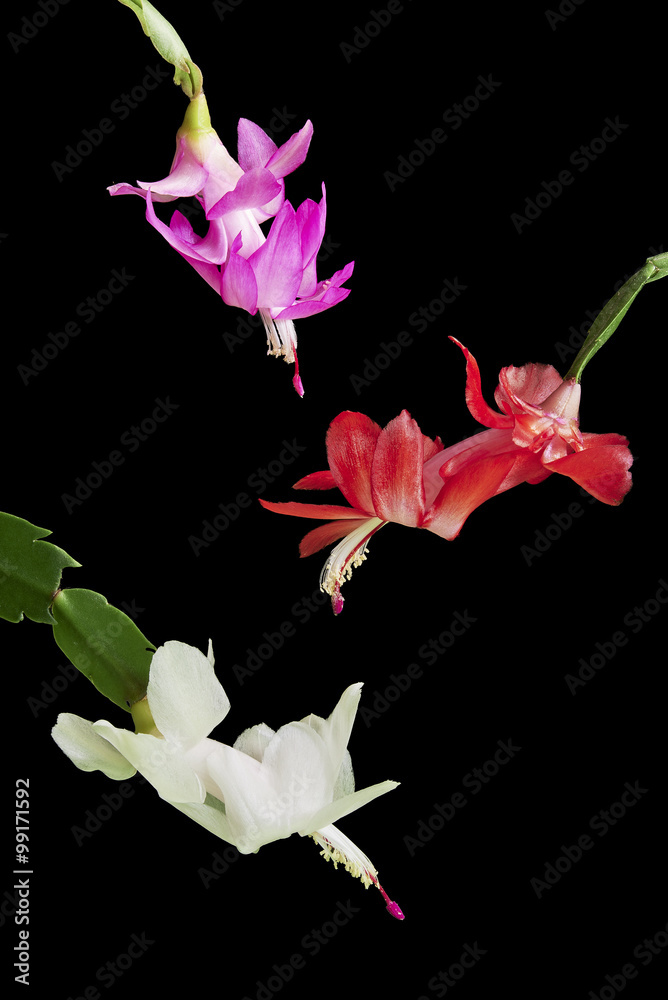
By the 19th century, the Schlumbergera had been christened the “Christmas cactus” in Europe and North America, its blooming season aligning perfectly with the holiday. Yet, the plant’s symbolism extends beyond Christianity. In some traditions, its flowers represent the sun’s return, a pre-Christian motif that predates the winter solstice celebrations of Saturnalia or Yule. The cactus’s vibrant hues—deep pinks, fiery reds, and pristine whites—mirror the colors of holiday decorations, but they also echo the primal hues of fire and blood, symbols of life force and renewal. This duality—simultaneously sacred and secular—has allowed the Christmas cactus to transcend cultural boundaries, becoming a universal emblem of festive joy.
Even its name, *Schlumbergera*, carries a whisper of its storied past. Named after the French cactus collector Frédéric Schlumberger, the genus pays homage to the plant’s journey from the rainforests of Brazil to the greenhouses of Europe. It’s a reminder that symbols, like plants, are not static; they evolve, adapt, and find new meanings as they travel across time and space.
The Psychology of the Christmas Cactus: Why We’re Drawn to Its Beauty
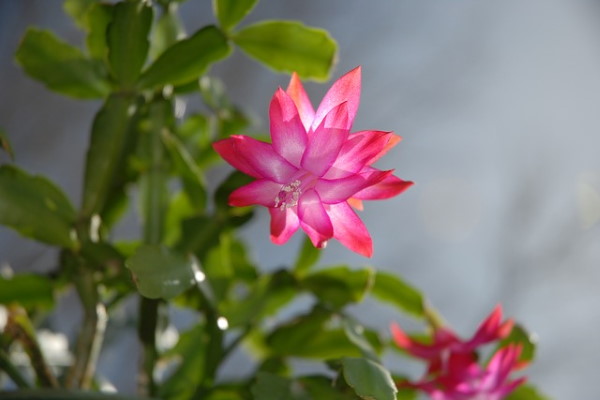
There’s a psychological phenomenon known as “biophilia”—the innate human tendency to seek connections with nature. The Christmas cactus, with its lush, symmetrical form and vivid blooms, taps into this primal instinct. Studies have shown that exposure to plants can reduce stress, lower blood pressure, and even enhance cognitive function. But the Christmas cactus does more than just soothe; it captivates. Its flowers, which resemble delicate, tubular bells, are a feast for the eyes, their colors popping against the muted tones of winter. The way they unfurl—slowly, deliberately—creates a sense of anticipation, a tiny spectacle that rewards patience.
This captivation isn’t merely aesthetic. The Christmas cactus also embodies what psychologists call “controllable unpredictability.” Unlike a perfectly manicured bonsai or a rigidly pruned topiary, the Schlumbergera grows in a way that feels organic and freeform. Its stems arch and cascade, its flowers bloom in clusters that seem almost whimsical. This lack of rigid structure appeals to our desire for both beauty and spontaneity. It’s a plant that feels alive in a way that artificial decorations never can—a living, breathing participant in our holiday rituals.
Moreover, the Christmas cactus’s care requirements—moderate light, infrequent watering—mirror the rhythms of a slower, more mindful way of living. In a world that glorifies constant productivity, the act of tending to a plant that thrives on neglect becomes a form of quiet rebellion. It’s a reminder that not everything in life needs to be optimized, that some things flourish precisely because they are allowed to exist on their own terms.
Gifting the Christmas Cactus: A Tradition of Hope and Connection
Few gifts carry as much symbolic weight as a blooming Christmas cactus. Unlike a generic bouquet that wilts within days, this plant is a long-term commitment—a living symbol of endurance and care. When we give a Schlumbergera to a loved one, we’re not just offering a decorative item; we’re extending a metaphor. We’re saying, “May your days be bright, even in the darkest months.” We’re acknowledging that resilience is a gift worth nurturing.
The act of gifting a Christmas cactus also taps into the human need for ritual. Holidays are, at their core, communal celebrations of shared values—gratitude, hope, renewal. By placing a Schlumbergera at the center of a holiday table or gifting it to a friend, we’re participating in a tradition that spans generations and cultures. The plant becomes a bridge between past and present, a tangible link to the cycles of nature that have guided humanity since time immemorial.
Yet, the Christmas cactus’s role as a gift isn’t limited to the holidays. Its resilience makes it a perfect symbol for milestones big and small—birthdays, graduations, recoveries. In some cultures, it’s even planted as a housewarming gift, its presence meant to bring good fortune to a new home. This versatility speaks to the plant’s universal appeal: it’s a symbol that adapts to our needs, a quiet companion that grows more meaningful with each passing year.
The Deeper Magic: What the Christmas Cactus Teaches Us
At its heart, the Christmas cactus is a teacher. It reminds us that beauty often emerges from adversity, that light can be found even in the shortest days. It teaches us patience—the slow unfurling of its flowers is a lesson in waiting for the right moment. It demonstrates that resilience isn’t about brute force; it’s about adaptability, about finding a way to thrive in whatever conditions life presents.
In a world that often feels fragmented, the Christmas cactus offers a sense of wholeness. It connects us to the earth’s ancient rhythms, to the traditions of our ancestors, and to the quiet, enduring power of life itself. When we place it on our windowsill and watch its flowers bloom, we’re not just decorating a home—we’re participating in a timeless ritual of celebration and hope.
So the next time you see a Christmas cactus in full bloom, take a moment to appreciate the magic it represents. It’s more than a plant. It’s a symbol, a teacher, a living testament to the enduring power of life—and a reminder that even in the darkest of winters, light will always find a way to return.
FAQ
What is the Christmas cactus?
The Christmas cactus, or Schlumbergera, is a flowering plant native to Brazil, known for blooming around the winter solstice.
What does the Christmas cactus symbolize?
It symbolizes resilience and joy, representing hope during the darkest months of the year.
How do you care for a Christmas cactus?
It requires moderate light, infrequent watering, and a stable environment to thrive.


Leave a Reply