
Short Answer
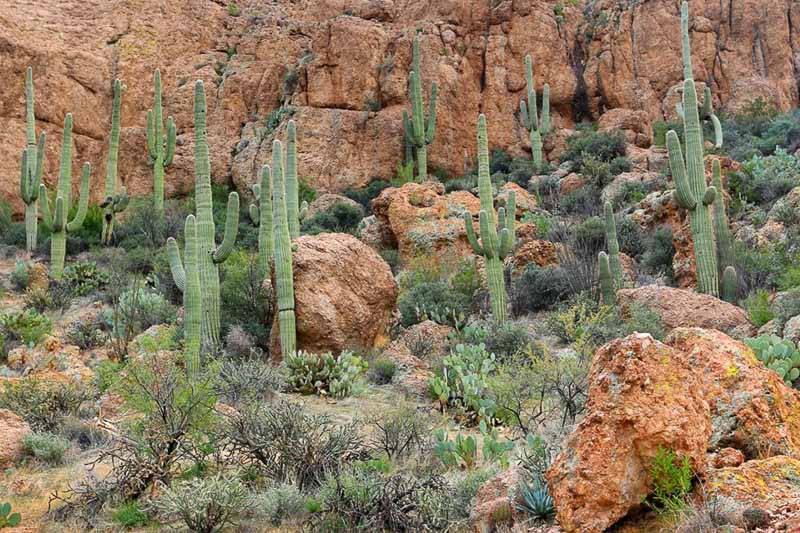
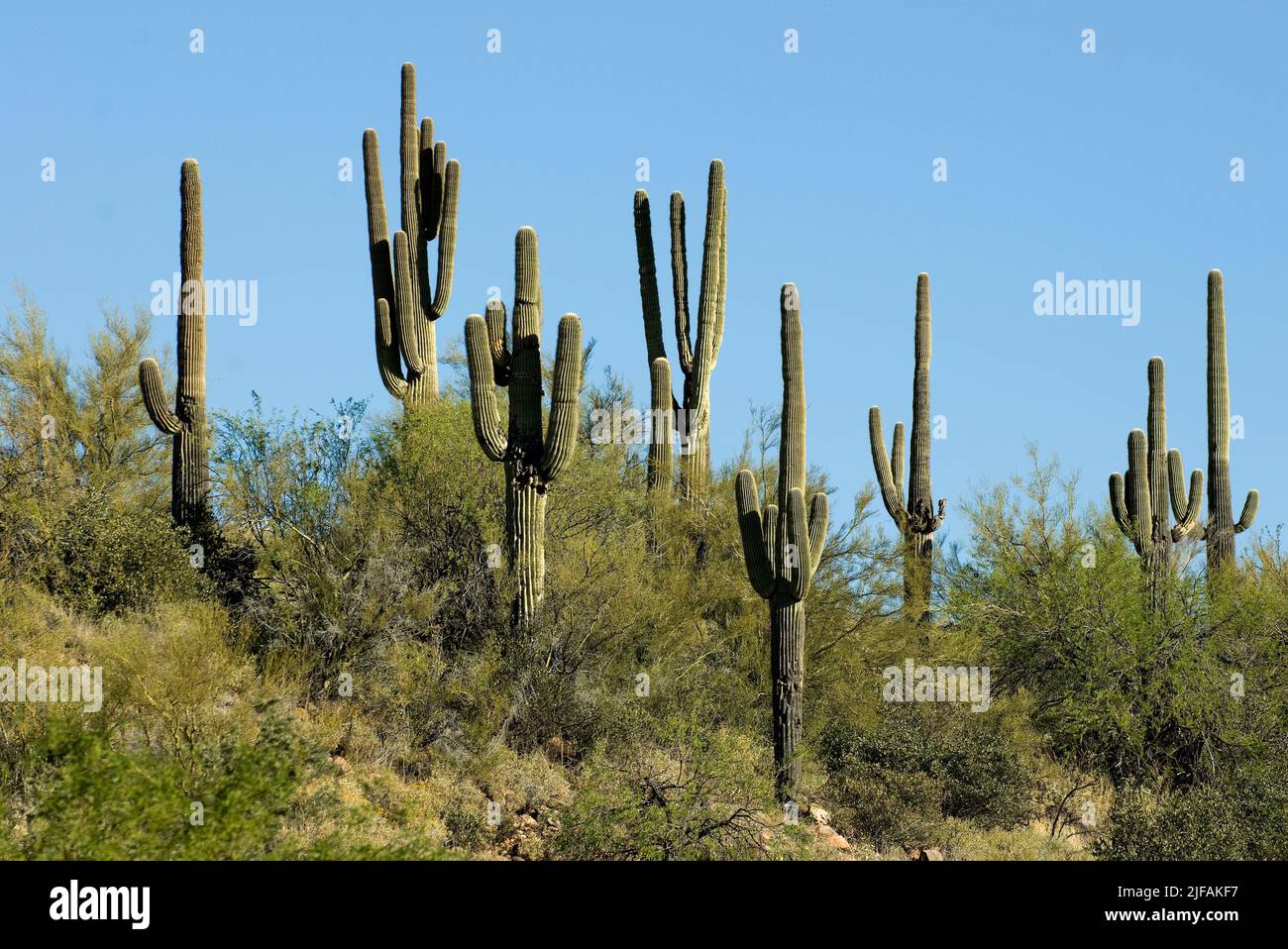
What if I told you that the desert, a place often dismissed as barren and lifeless, cradles one of nature’s most resilient symbols of endurance? Meet the saguaro—Carnegiea gigantea—a towering sentinel of the Sonoran Desert, whose silent grandeur whispers tales of survival against all odds. With arms outstretched like a dancer frozen in a moment of triumph, this cactus doesn’t just stand tall; it embodies the very essence of perseverance. But here’s the twist: this botanical titan, so iconic it graces postcards and films alike, faces a silent crisis. How can a plant that has thrived for centuries under the scorching sun now be at risk? Let’s unravel the story of the saguaro—not just as a plant, but as a living emblem of nature’s unyielding spirit.
The Saguaro: A Monument of Time and Tenacity
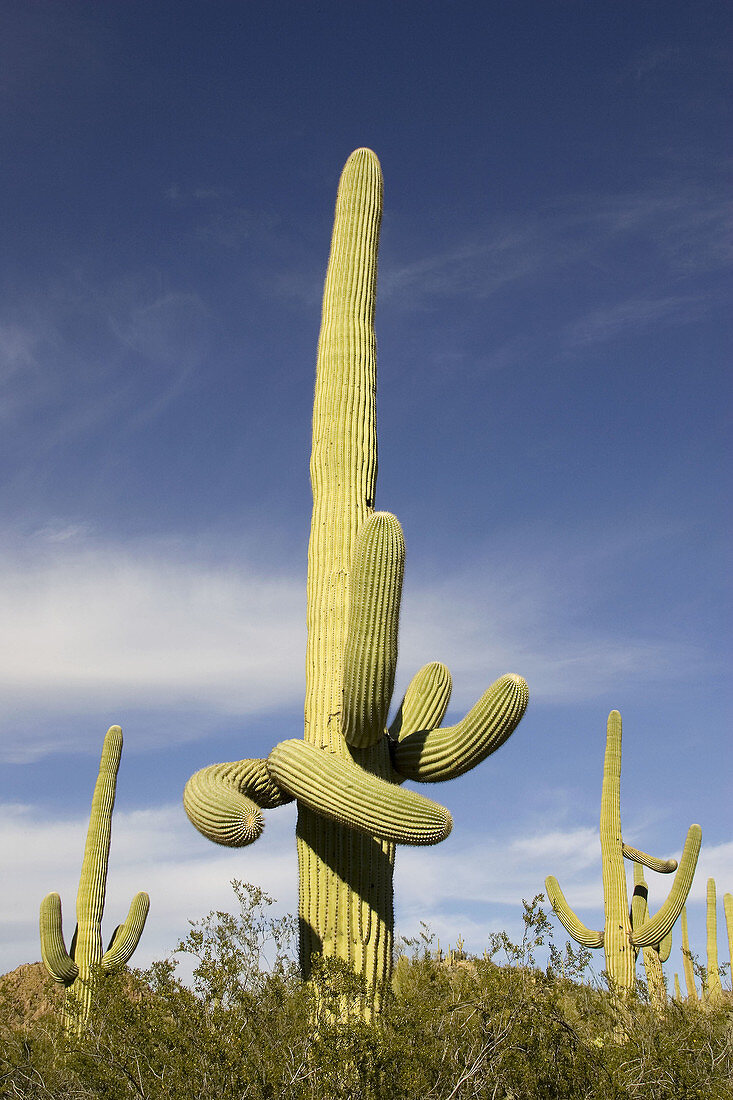
Standing as high as 40 feet, the saguaro is no ordinary cactus. It’s a vertical marvel, a skyscraper of the desert, growing at a pace so leisurely it might take a century to sprout its first arm. Imagine: a seed, no larger than a peppercorn, lands on the desert floor. It must wait patiently for rain, for shade, for the slightest break in the harshness of its environment. Yet, when conditions align, it germinates with a tenacity that borders on defiance. This is no passive existence; it’s a slow, deliberate rebellion against the odds.
The saguaro’s ribbed trunk, a marvel of water storage, swells after rare desert downpours, storing enough moisture to last years. Its waxy skin reflects the sun’s fury, while its shallow, widespread roots snatch moisture from the thinnest layer of soil. This isn’t just survival—it’s architectural genius. The saguaro doesn’t just endure; it thrives by mastering the art of scarcity.
Cultural Custodian: The Saguaro in Human Imagination
Long before it became a postcard staple, the saguaro held sacred significance for the Indigenous peoples of the Sonoran Desert. The Tohono O’odham, for whom the saguaro is a cultural cornerstone, call it *ha:san*. To them, the cactus is not merely a plant but a provider—a source of food, water, and even musical instruments. The ribs of fallen saguaros were carved into *wahos*, traditional rattles used in ceremonies, their hollow chambers singing with the rhythm of the desert.
In modern times, the saguaro has transcended its ecological role to become a symbol of the American Southwest. It adorns license plates, appears in films like *The Grapes of Wrath*, and even lends its silhouette to corporate logos. Yet, this fame comes with a paradox: the more we romanticize the saguaro, the more we risk reducing it to a mere aesthetic—ignoring the fragile reality of its existence.
The Unseen Threats: Climate Change and Human Encroachment
Here’s where the plot thickens. The saguaro’s greatest strength—its slow, deliberate growth—is also its Achilles’ heel. A saguaro takes 70 years to grow its first arm. If it’s uprooted or damaged before that milestone, it may never recover. And yet, the desert is under siege. Rising temperatures and prolonged droughts, exacerbated by climate change, are shortening the already brief windows of rain the saguaro relies on. Seedlings, struggling to establish themselves in the cracked earth, face an uphill battle against a shifting climate.
Human activity compounds the challenge. Urban sprawl gobbles up desert habitats, while invasive grasses, fueled by human-altered landscapes, spread wildfires that incinerate saguaros before they’ve had a chance to mature. Even well-intentioned conservation efforts can backfire—planting saguaros in unsuitable locations without addressing the root causes of their decline is like putting a bandage on a hemorrhage.
Symbiotic Stories: The Saguaro’s Secret Alliances
The saguaro’s story isn’t one of solitude; it’s a tale of intricate partnerships. The Gila woodpecker, for instance, drills nesting holes into the saguaro’s flesh, creating cavities that later become homes for elf owls and purple martins. This isn’t vandalism—it’s symbiosis. The saguaro heals around these holes, forming protective calluses called *saguaro scars*, while the birds gain shelter. Even the saguaro’s fruit, a vibrant red treasure, is a feast for coyotes, bats, and insects, ensuring its seeds are dispersed far and wide.
Yet, these relationships are fragile. When droughts intensify or fires rage, the saguaro’s ability to sustain its ecosystem falters. The woodpeckers must seek new homes. The bats, deprived of nectar, struggle to pollinate other desert plants. The saguaro isn’t just a survivor—it’s a keystone species, the linchpin of a desert web that unravels when it’s threatened.
Can We Save the Saguaro Before It’s Too Late?
The question isn’t whether we *can* protect the saguaro—it’s whether we *will*. Conservation efforts are underway, from controlled burns to restore natural habitats to community-led saguaro planting initiatives. But these efforts must be strategic. Planting a saguaro in a backyard won’t cut it; we need to address the larger issues—climate change, habitat fragmentation, and invasive species—if we want this icon to endure.
Perhaps the saguaro’s lesson is this: resilience isn’t about brute force. It’s about adaptation, patience, and the quiet strength of standing tall even when the world around you is crumbling. If we’re to learn anything from this desert titan, it’s that true endurance requires more than just surviving—it demands respect, stewardship, and a willingness to confront the challenges we’ve created.
So, the next time you see a saguaro’s silhouette against the desert sky, ask yourself: Are we doing enough to ensure its arms remain outstretched for centuries to come?
FAQ
What is the significance of the saguaro cactus?
The saguaro cactus is a symbol of endurance, representing resilience in harsh desert conditions and holds cultural significance for Indigenous peoples.
What threats does the saguaro cactus face?
The saguaro faces threats from climate change, human encroachment, and habitat destruction, which hinder its growth and survival.



Leave a Reply