
Short Answer
The Ariocarpus cactus is not merely a plant—it is a masterpiece of evolutionary artistry, a living sculpture carved by time and aridity. Often hailed as the “stone plant” for its uncanny resemblance to weathered rocks, this genus of desert dwellers embodies a paradox: it is both unassuming and extraordinary, fragile yet fiercely resilient. In the vast, sun-scorched landscapes where it thrives, Ariocarpus doesn’t just survive; it performs a silent symphony of adaptation, a testament to nature’s ingenuity in the face of relentless adversity. Yet, this botanical marvel faces an existential threat—not from the elements, but from the encroaching shadows of human progress. As its habitat vanishes, so too does one of the most enigmatic stories ever whispered by the desert winds.
The Stone That Breathes: Unraveling the Ariocarpus Enigma
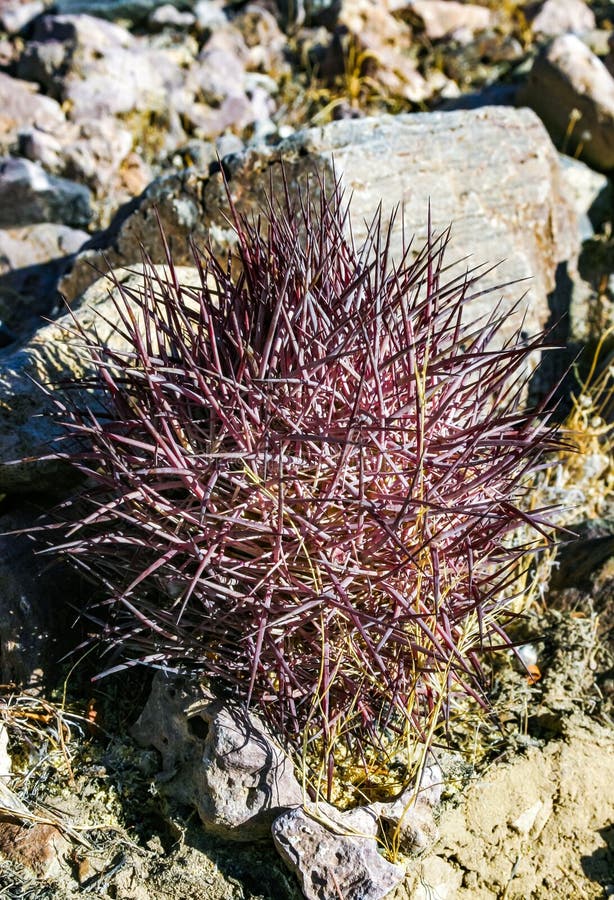
To encounter an Ariocarpus in the wild is to stumble upon a geological mirage. Its flattened, tuberous body—often mottled in hues of slate gray, olive green, or even deep burgundy—blurs the line between flora and mineral. This is no accident of evolution but a deliberate camouflage, a survival tactic honed over millennia. The plant’s surface is a mosaic of warty, spiraled tubercles, each one a tiny fortress against the scorching sun and marauding herbivores. Some species, like Ariocarpus fissuratus, appear so stony that they seem plucked from a prehistoric riverbed, their textures evoking the rugged patina of ancient stone.
But here lies the marvel: beneath this stony exterior pulses a delicate, ephemeral beauty. During the fleeting rainy season, Ariocarpus awakens from its torpor, unfurling delicate, magenta or cream-colored flowers that seem to defy the very notion of desert austerity. These blooms are fleeting, lasting only days, yet in their brevity lies their poetry—a reminder that even in the harshest of environments, life persists in bursts of ephemeral splendor. The contrast between the plant’s rugged exterior and its tender, ephemeral blossoms is a metaphor for resilience itself: strength and fragility coexisting in a single, breathtaking paradox.
The Desert’s Hidden Architect: How Ariocarpus Masters Its Environment
Ariocarpus is not just a passive inhabitant of its domain; it is an architect, a sculptor of its own survival. Its root system is a marvel of subterranean engineering, spreading wide and shallow to capture the slightest moisture from the parched earth. Unlike many cacti that store water in swollen stems, Ariocarpus conserves it in its tuberous base, a strategy that allows it to endure prolonged droughts without sacrificing its compact, rock-like form. This adaptation is a lesson in efficiency, a reminder that in the desert, every drop of water is a currency, and Ariocarpus spends it wisely.
The plant’s tubercles are not merely decorative; they serve as a sophisticated cooling system. Their geometric arrangement minimizes surface area exposed to the sun while maximizing shade, reducing water loss through transpiration. Some species even develop a waxy, bluish bloom on their surfaces—a natural sunscreen that reflects harsh sunlight. This intricate interplay of form and function is a testament to the plant’s evolutionary brilliance, a silent dialogue between organism and environment that has unfolded over eons.
Yet, this mastery comes at a cost. Ariocarpus grows at a glacial pace, adding mere millimeters to its girth each year. A specimen that appears ancient may, in reality, be a mere adolescent in botanical terms. This slow metabolism is both a shield and a vulnerability, for it renders the plant ill-equipped to recover from disturbances. A single misplaced footstep or a careless collector’s grasp can spell doom for a century-old individual. In the grand tapestry of desert life, Ariocarpus is a patient weaver, but its threads are fragile.
The Vanishing Canvas: The Plight of Ariocarpus Habitat
The story of Ariocarpus is not just one of botanical wonder; it is a cautionary tale of habitat loss. These cacti are endemic to the Chihuahuan Desert, a region spanning northern Mexico and the southwestern United States, where they cling to life in the crevices of limestone hills and gypsum flats. Here, the soil is often alkaline and nutrient-poor, a seemingly inhospitable terrain that Ariocarpus has transformed into a sanctuary. But this sanctuary is under siege.
Agricultural expansion, urban sprawl, and mining operations have carved deep scars into the desert’s surface, fragmenting the once-contiguous habitats of Ariocarpus. Roads bisect ancient cactus populations, severing the delicate ecological threads that bind them to their pollinators and seed dispersers. Climate change exacerbates the crisis, bringing erratic rainfall patterns that disrupt the plant’s delicate reproductive cycles. In some areas, entire colonies of Ariocarpus have been obliterated, their stone-like forms reduced to dust beneath the wheels of progress.
The irony is stark: a plant that has survived for millennia by being unobtrusive is now vanishing because it is too easily overlooked. Unlike the towering saguaros or the iconic Joshua trees, Ariocarpus does not command attention with its size. It does not shout; it whispers. And in a world that increasingly values the loud and the immediate, its voice is fading into silence.

Collectors’ Curiosity: The Double-Edged Sword of Desire
Ariocarpus is not just a victim of habitat destruction; it is also a target of human fascination. Its rarity and unique appearance have made it a coveted specimen among cactus collectors, a status that cuts both ways. On one hand, cultivation efforts have helped preserve some species from extinction. Enthusiasts and botanical gardens have become de facto ark builders, safeguarding Ariocarpus in controlled environments where its survival is ensured. On the other hand, illegal poaching and unsustainable harvesting have decimated wild populations, turning these plants into trophies for the privileged few.
The allure of Ariocarpus is undeniable. To hold one in your hands is to cradle a piece of geological history, a living relic of a time when deserts were wilder and human impact was minimal. But this fascination often blinds collectors to the ethical dimensions of their desire. Many Ariocarpus species are listed under CITES (Convention on International Trade in Endangered Species), yet enforcement remains lax, and black-market trade thrives. The irony is bitter: the very people who claim to admire Ariocarpus the most are often the ones hastening its demise.
For those who wish to appreciate Ariocarpus without contributing to its decline, the solution lies in ethical cultivation. Many nurseries now propagate Ariocarpus from seed, offering a sustainable alternative to wild-harvested specimens. By choosing cultivated plants, enthusiasts can indulge their passion without participating in the destruction of fragile ecosystems. It is a small act of rebellion against the tide of extinction, a way to honor the stone plant’s legacy without erasing it from the wild.
Guardians of the Stone: Conservation Efforts and the Path Forward
The fight to save Ariocarpus is not yet lost, but the clock is ticking. Conservationists are employing a multi-pronged approach to protect these botanical treasures, from habitat restoration to community education. In Mexico, reserves like the Mapimí Biosphere Reserve provide a haven for Ariocarpus, where its survival is intertwined with the protection of the entire ecosystem. Researchers are also studying the plant’s genetic diversity, ensuring that cultivated populations retain the resilience of their wild counterparts.
Yet, conservation alone is not enough. The survival of Ariocarpus depends on a shift in human perception—a recognition that these plants are not mere curiosities but keystone species in their ecosystems. Their disappearance would ripple through the desert, disrupting the delicate balance of pollinators, seed dispersers, and soil health. Ariocarpus is not just a plant; it is a barometer of the desert’s health, a living indicator of the land’s ability to sustain life in the face of adversity.
The path forward requires a blend of science, policy, and empathy. Governments must enforce stricter protections for Ariocarpus habitats, while local communities must be empowered to become stewards of their natural heritage. Education is key—teaching people to see Ariocarpus not as a commodity but as a vital thread in the web of life. Only then can we hope to preserve the stone plant’s legacy for generations to come.
The Last Whisper of the Desert: Why Ariocarpus Matters
Ariocarpus is more than a plant; it is a symbol of endurance, a living metaphor for the beauty that thrives in the margins. In a world that often prioritizes the grand and the immediate, it reminds us that the most profound stories are often the quietest. Its stone-like form is a testament to the power of adaptation, while its fleeting flowers are a celebration of life’s tenacity. To lose Ariocarpus would be to erase a chapter from the desert’s ancient narrative, a chapter written in resilience and silence.
Yet, there is hope. Every time a cultivated Ariocarpus blooms in a garden, every time a conservationist plants a seed in a restored habitat, the stone plant’s legacy lives on. It is a legacy of patience, of quiet strength, of beauty that endures against all odds. The desert may be vast, but it is not infinite. The fate of Ariocarpus is a mirror held up to humanity—a reflection of our choices, our values, and our capacity for stewardship. Will we be the generation that lets the stone plant’s whisper fade into silence, or will we be the ones who ensure that its story continues to echo through the ages?
The answer lies not in the grandeur of our actions, but in the humility of our respect—for the land, for the life it sustains, and for the silent stones that breathe.
FAQ
What is Ariocarpus?
Ariocarpus is a genus of cactus known for its stone-like appearance and adaptation to the harsh conditions of the desert.
Why is Ariocarpus endangered?
Ariocarpus faces threats from habitat destruction due to urbanization, agriculture, and illegal collection.
How can I help conserve Ariocarpus?
Support conservation efforts, choose cultivated plants instead of wild specimens, and educate others about its plight.


Leave a Reply