
Short Answer
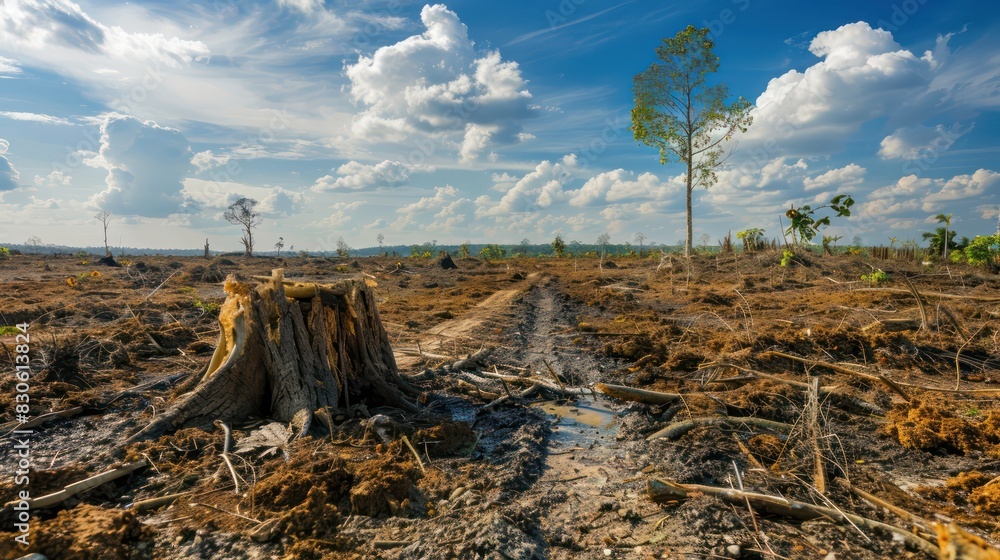
The Melocactus, affectionately dubbed the “Turk’s cap cactus” for its distinctive cephalium—a woolly, hat-like crown perched atop its ribbed, barrel-shaped body—is a botanical marvel that has captivated desert enthusiasts for centuries. Yet, beneath its striking appearance lies a silent crisis. Habitat destruction, driven by urban sprawl, agricultural expansion, and climate change, is eroding the delicate ecosystems this cactus calls home. The Melocactus is not merely a plant; it is a living testament to resilience, a botanical sentinel standing guard over arid landscapes that are vanishing faster than the sands of a desert storm. To understand its plight is to peer into a world where beauty and fragility intertwine, where every lost acre of habitat is a silent funeral for a species teetering on the edge of oblivion.
The Crown of Thorns: A Botanical Crown Jewel Under Siege
The Melocactus’s cephalium is its most arresting feature—a dense, fibrous mass of bristles and wool that crowns its apex like a regal headdress. This structure is not merely ornamental; it is a biological marvel, a specialized growth that houses the cactus’s reproductive organs. Yet, this crown is also its Achilles’ heel. As habitats shrink, the Melocactus faces a paradox: its very uniqueness makes it a target. Poachers covet it for its striking appearance, while developers see its arid homelands as prime real estate. The cephalium, once a symbol of survival, now stands as a beacon for those who would exploit it. In the wild, the Melocactus’s crown is a fleeting masterpiece, a temporary crown of thorns in a world that increasingly values concrete over cacti.

Desert Gardens: The Vanishing Oases of the Melocactus
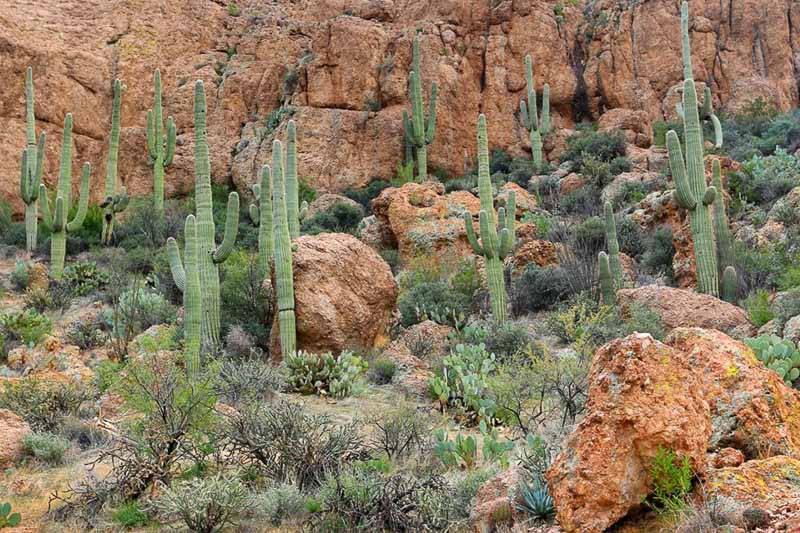
Melocacti are denizens of the most unforgiving landscapes—xeric environments where water is a mirage and the sun is an unrelenting tyrant. These cacti thrive in the skeletal remains of ancient dunes, in the cracks of sun-baked limestone, and along the edges of ephemeral watercourses that carve through the earth like the veins of a sleeping giant. Yet, these desert gardens are disappearing at an alarming rate. Urbanization gobbles up the edges of arid zones, while agriculture, thirsty for irrigation, drains the last vestiges of moisture from the soil. The Melocactus, adapted to a world of scarcity, finds itself outmatched by an onslaught of human ambition. Its habitat is not just shrinking; it is being erased, replaced by monocultures of crops or the monotonous grid of suburban sprawl. In this transformation, the Melocactus is not just losing ground—it is losing its identity.
The Silent Extinction: A Species Outpaced by Time
Extinction is rarely a dramatic event for plants like the Melocactus. There are no headlines when a population dwindles to a handful of individuals, no obituaries for a species that fades into obscurity. Instead, the Melocactus faces a slow, creeping oblivion—a silent extinction that unfolds in the shadows of progress. Scientists estimate that over 30% of Melocactus species are threatened, with some teetering on the brink of vanishing entirely. The reasons are manifold: habitat fragmentation isolates populations, making reproduction a game of chance; climate change alters the delicate balance of temperature and precipitation that these cacti depend on; and invasive species outcompete them for the sparse resources of their arid homes. The Melocactus is not dying in a blaze of glory; it is fading, like a whisper lost in the wind, a relic of a world that no longer has room for its kind.
The Poacher’s Gaze: A Cactus in the Crosshairs
To the untrained eye, the Melocactus is a curiosity, a botanical oddity to be plucked from the wild and placed in a pot. To collectors, however, it is a trophy—a living gem to be coveted, traded, and displayed. The illegal trade in Melocacti is a shadowy underworld where rarity commands exorbitant prices. A single specimen can fetch hundreds, even thousands of dollars in black markets, fueling a cycle of exploitation that shows no signs of abating. Poachers, armed with little more than trowels and greed, descend upon fragile habitats, leaving behind a trail of destruction. The Melocactus, already struggling to survive in a shrinking world, now faces the added pressure of being hunted to the brink. Conservationists warn that without stringent protections, the demand for these cacti could push entire species into oblivion before they are even fully documented.
Climate’s Crucible: The Melocactus in a World of Shifting Sands
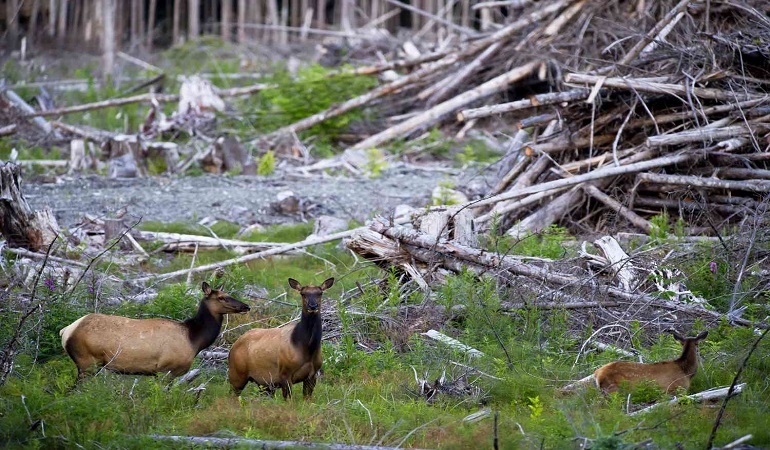
Climate change is the great unraveler of ecosystems, and the Melocactus is caught in its merciless grip. Rising temperatures bake the soil, while erratic rainfall patterns leave these cacti parched or drowned in equal measure. The delicate balance of their arid homes is being upended, forcing them to adapt—or perish. Some populations are migrating to higher elevations, seeking cooler climes, but for a cactus adapted to lowland deserts, this is a gamble with long odds. Others face the double threat of drought and increased wildfires, which scorch the earth and leave little behind for the Melocactus to reclaim. The cactus, a symbol of endurance, is now a victim of an environment that is rapidly becoming unrecognizable. In this crucible of climate change, the Melocactus is not just fighting for survival; it is fighting against the very forces that once shaped its existence.
Conservation in the Crucible: Can the Melocactus Be Saved?
The battle to save the Melocactus is a race against time, a high-stakes game where every action counts. Conservationists are deploying a multi-pronged strategy: habitat protection, ex-situ cultivation, and public awareness campaigns. Protected areas are being established in key regions, while botanical gardens are working to cultivate and propagate threatened species. Yet, the challenges are daunting. Habitat destruction shows no signs of slowing, and the illegal trade remains a persistent threat. The key to success lies in collaboration—between governments, scientists, and local communities. Indigenous knowledge, honed over generations, could offer insights into sustainable coexistence with these cacti. The Melocactus is not just a plant to be saved; it is a living barometer of the health of our planet’s arid ecosystems. To protect it is to protect a piece of the Earth’s soul.
The Last Stand: A Call to Action for a Vanishing Species
The Melocactus is more than a plant; it is a story of resilience, a testament to life’s tenacity in the face of adversity. Yet, its story is being written in disappearing ink. The choices we make today will determine whether future generations will witness the splendor of its cephalium or only read about it in the annals of extinction. The fight to save the Melocactus is a fight for the soul of the desert—a fight to preserve the wild, the untamed, the extraordinary. It is a call to action for all who recognize that beauty is not just in the eye of the beholder but in the survival of the beholder’s world. The Melocactus is not asking for much; just a chance to thrive, to crown the deserts with its woolly glory once more. The question is: will we give it that chance?
FAQ
What is the Melocactus?
The Melocactus, or Turk’s cap cactus, is a species known for its distinctive crown and is native to arid desert regions.
Why is the Melocactus endangered?
It faces threats from habitat destruction, climate change, and illegal poaching, leading to a decline in its populations.





Leave a Reply