
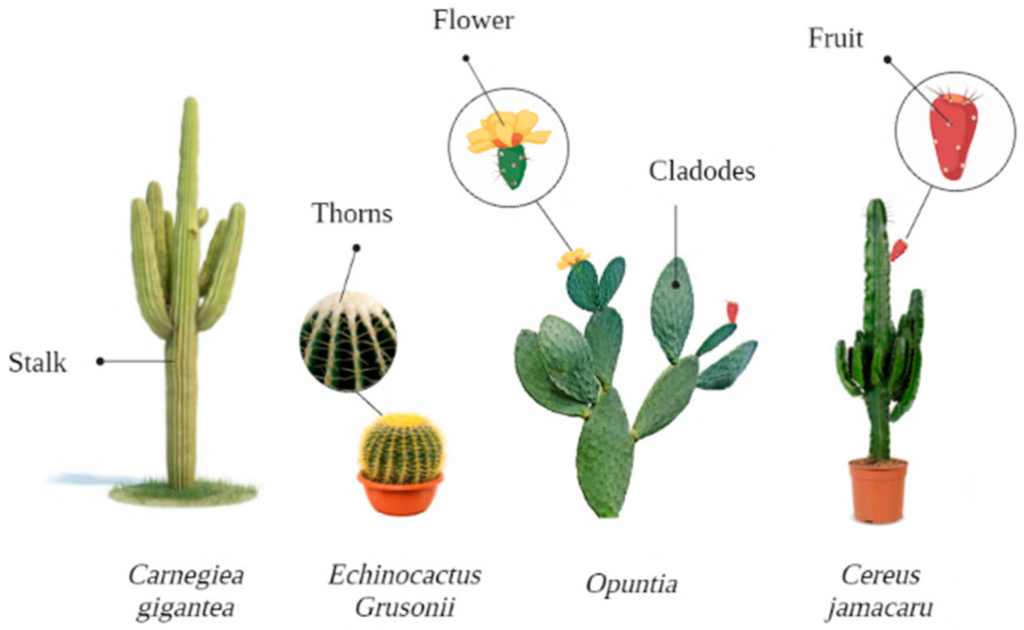
Short Answer
In the grand ballet of event design, where every element pirouettes in harmony to create an unforgettable spectacle, cacti emerge as the unsung prima donnas. These prickly performers, often relegated to arid landscapes and forgotten windowsills, possess an understated elegance that transforms any gathering into a desert dream. Whether adorning a wedding aisle or gracing a corporate gala, cacti bring a touch of the wild, untamed beauty of the Southwest into the most polished of settings. Their resilience mirrors the indomitable spirit of celebration itself—thriving where others wither, standing tall amidst the chaos of confetti and champagne. Let’s embark on a journey through the thorny yet thrilling world of cactus supply for events, where every spine tells a story and every bloom is a standing ovation.
The Desert’s Dazzling Ambassadors: Why Cacti Command Attention
Picture this: a ballroom bathed in golden hour light, where the air hums with the murmur of guests and the clink of crystal glasses. Amidst the opulence, a cluster of saguaros stretches skyward like nature’s own art installation, their ribbed silhouettes casting dramatic shadows across the dance floor. Cacti are not mere decorations; they are living sculptures, each one a testament to the paradox of fragility and fortitude. Their geometric forms—sharp, angular, and mesmerizing—create a visual rhythm that guides the eye through a space, while their muted hues of emerald, silver, and dusty rose provide a refreshing counterpoint to the riot of colors in floral arrangements.
Their appeal lies in their duality: they are both ancient and modern, rugged and refined. A barrel cactus, with its sunburst of spines, could easily be mistaken for a piece of avant-garde furniture, while a prickly pear’s paddle-like leaves unfurl like the pages of a rare manuscript. In an era where sustainability is no longer a trend but a necessity, cacti offer a guilt-free glamour. They require minimal water, thrive in indoor conditions, and demand little more than a sliver of sunlight and the occasional dusting of attention. For event planners, this means less logistical headache and more creative freedom to weave these desert denizens into the fabric of the occasion.

From Greenhouses to Grandeur: Sourcing Cacti for High-Stakes Events
Securing the perfect cacti for an event is not unlike curating a gallery exhibition—each piece must be chosen with intention, its placement meticulously planned to evoke the desired atmosphere. The journey begins in the hallowed halls of nurseries and specialty growers, where cacti are cultivated with the same reverence as orchids or bonsai. These botanical artisans understand that not all cacti are created equal; a wedding in a historic mansion calls for something stately, like a towering Mexican fence post cactus, while a bohemian garden party might be better suited to a cluster of claret cup cacti, their fiery blooms igniting the scene like embers.
But sourcing is only half the battle. Transporting these spiky treasures requires the finesse of a bomb squad technician and the patience of a zen master. Cacti are not fans of abrupt movements or temperature fluctuations. A sudden chill during transit can send them into a state of shock, their once-vibrant pads wilting like a disappointed audience member. Professional event florists and plant suppliers employ climate-controlled vehicles, custom crates lined with cushioning foam, and even sedative sprays (yes, really) to ensure the cacti arrive at their destination in peak condition. For ultra-luxury events, some suppliers offer “plant concierge” services, where experts accompany the cacti from nursery to venue, monitoring their well-being with the vigilance of a royal nanny.
And let’s not forget the legal labyrinth of importing cacti across borders. The CITES regulations are as prickly as the plants themselves, with some species requiring permits that could take months to secure. Savvy planners often turn to hybrid or cultivated varieties, which sidestep these restrictions while still delivering that coveted desert aesthetic. The key is to start the sourcing process early—like, six months early—so that the cacti have time to acclimate to their temporary home and the planners have time to troubleshoot any botanical hiccups.
Designing with Spines: Crafting Cactus-Centric Eventscapes
The magic of cacti in event design lies in their ability to transcend their natural habitat and become part of a larger narrative. A desert-themed wedding might feature a “cactus aisle” lined with towering specimens, their spines forming a natural canopy overhead, while a corporate retreat could use low-slung barrel cacti as table centerpieces, their geometric shapes echoing the sleek lines of modern architecture. The possibilities are as limitless as the imagination, but the execution requires a delicate balance between boldness and restraint.
One of the most striking trends in cactus design is the “living wall,” where a vertical garden of succulents and cacti becomes a living backdrop for ceremonies or photo booths. These walls can be customized with LED lighting to shift colors throughout the evening, turning the cacti into a dynamic canvas that responds to the mood of the event. For a more intimate touch, consider incorporating cacti into place settings. A single small specimen in a tiny pot, nestled among the silverware, adds a whimsical yet sophisticated detail that guests will remember long after the cake has been cut.
But beware the pitfall of overcrowding. Cacti, like divas, demand space to shine. A single, well-placed specimen can command attention, while a cluster of too many can feel cluttered and chaotic. The rule of thumb? Less is more. A trio of cacti in varying heights creates a sense of depth and drama, while a single, sculptural piece—like a monstrose cereus—can serve as a focal point that anchors an entire room. And don’t forget the power of negative space. The stark contrast between the cacti’s spiny forms and the smooth surfaces of tables, floors, or walls amplifies their visual impact, making them appear even more otherworldly.
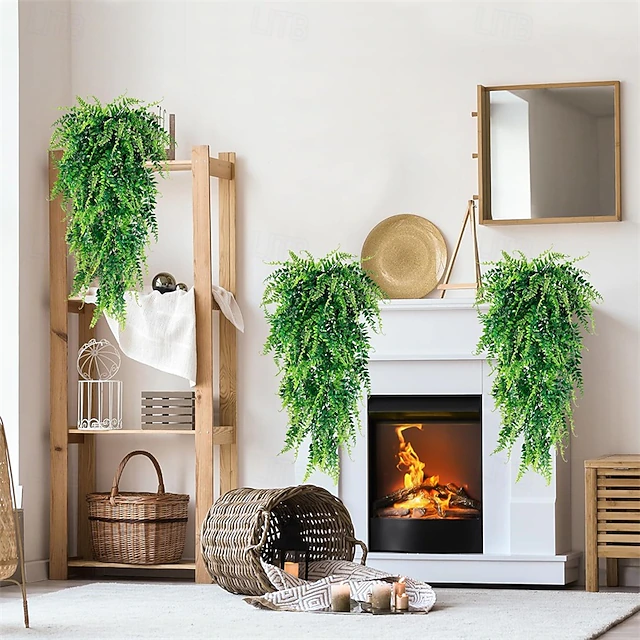
Artificial Alternatives: The Thornless Solution for High-Risk Events
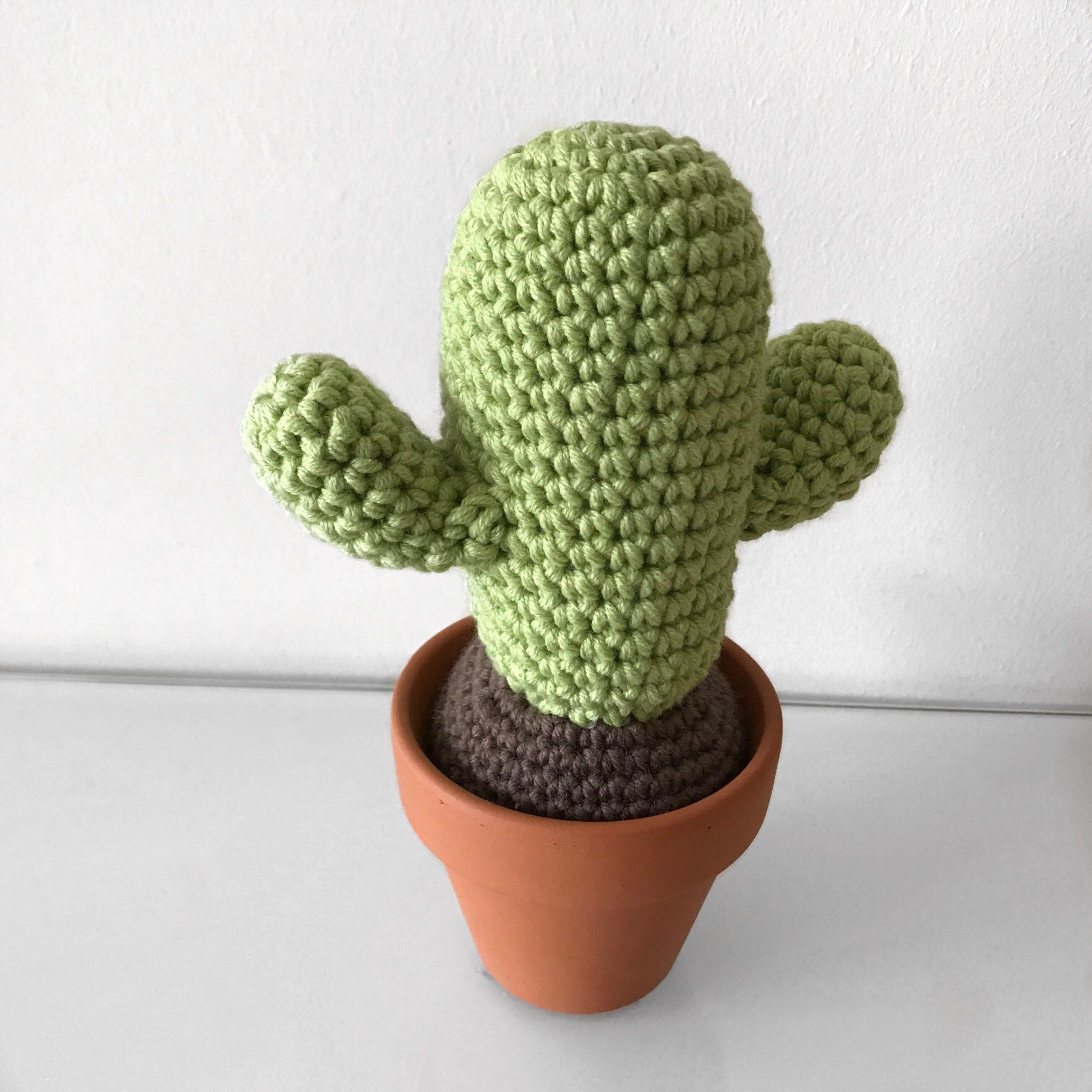
Of course, not every event can accommodate the whims of a living cactus. Outdoor weddings in unpredictable climates, venues with strict no-plant policies, or events with tight timelines may require the next best thing: artificial cacti. But fear not—modern technology has elevated faux flora to an art form. UV-resistant, hyper-realistic cacti now mimic the texture, color, and even the subtle sheen of their living counterparts, making them nearly indistinguishable from the real deal. These artificial wonders are not just a practical solution; they’re a sustainable one, too. No watering, no wilting, no last-minute panic when a heatwave hits.
The beauty of artificial cacti lies in their versatility. They can be wired onto chandeliers, suspended from ceilings, or even embedded into centerpieces without the risk of toppling over during a lively dance floor session. For events with a tight turnaround, like pop-up parties or last-minute corporate gatherings, artificial cacti are a godsend. They arrive pre-potted, pre-pruned, and ready to go, eliminating the guesswork of plant care. And for those who worry about the environmental impact of plastic, many suppliers now offer cacti made from recycled materials or biodegradable plastics, ensuring that the only thing left behind is a stunning visual legacy.
But even artificial cacti require a discerning eye. The best faux specimens are those that prioritize realism over perfection. Look for details like hand-painted spines, subtle variations in color, and a slight sheen that mimics the natural waxy coating of a living cactus. Avoid anything that looks too uniform or plastic-y—these will stick out like a sore thumb in a carefully curated design. And don’t be afraid to mix and match. A combination of real and artificial cacti can create a dynamic, layered look that feels organic and intentional, rather than like a botanical afterthought.
The Afterparty: Caring for Cacti Post-Event
The curtain may fall on the event, but the show isn’t over for the cacti. Whether they’re destined for a new home with a grateful guest or returning to the nursery, their post-event care is crucial to their longevity. For living cacti, the first step is a thorough inspection. Check for any signs of stress—yellowing pads, soft spots, or a sudden influx of pests like mealybugs or spider mites. These tiny invaders can hitch a ride on the cacti and wreak havoc in a home garden, so it’s essential to quarantine new arrivals and treat them with a gentle insecticidal soap before introducing them to other plants.
If the cacti are being gifted to guests, presentation is key. Pair them with a care card that includes simple instructions: bright, indirect light, minimal watering, and a warning to avoid overhandling (those spines aren’t just for show). For a touch of whimsy, attach a tag that reads, “Thanks for helping me survive the party!” For cacti returning to the nursery, a post-event spa treatment can work wonders. Prune any damaged spines, repot them in fresh soil, and give them a few weeks of TLC to recover from the rigors of event life. And for artificial cacti? A quick dusting with a soft brush or a wipe-down with a damp cloth will restore their shine, ready to dazzle at the next soiree.
The lifecycle of an event cactus doesn’t end with the final toast—it’s a testament to the enduring power of nature to elevate human celebration. Whether they’re living, breathing guests or silent, spiky sentinels, their presence lingers in the memories of the event, a reminder that even the most fleeting moments can be made extraordinary with a little help from the desert.
FAQ
Why are cacti popular for event decor?
Cacti are popular for event decor due to their unique aesthetic, low maintenance requirements, and ability to thrive in various environments, making them ideal for both indoor and outdoor events.
How do I source cacti for an event?
Sourcing cacti for an event involves visiting nurseries and specialty growers, ensuring proper transportation conditions, and planning ahead for acclimatization and legal requirements.

Leave a Reply