
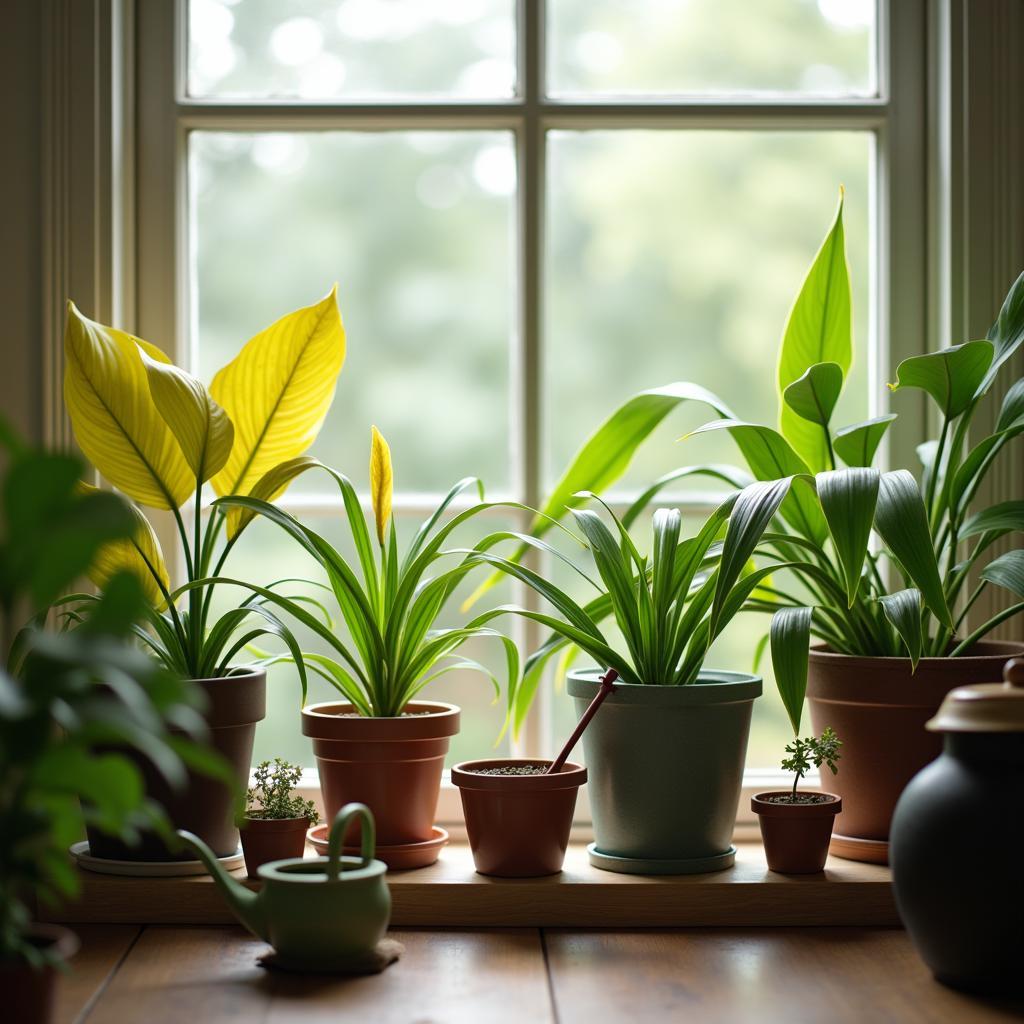
Short Answer
Envision your Astrophytum cactus as a celestial guardian, its geometric armor gleaming under the desert sun, a living constellation rooted in earthly soil. But what happens when this stellar beauty begins to suffer from an affliction that mars its radiant façade—an insidious yellowing that dulls its otherworldly charm? Like a star losing its luster, yellowing in Astrophytum is a phenomenon that can unsettle even the most seasoned succulent aficionados. This radiant cactus, revered for its sculptural elegance and enigmatic aura, demands attentive care and a keen understanding of its quirks. Let’s embark on an odyssey through the common Astrophytum problems, focusing on yellowing, unraveling the mysteries behind this discoloration, and mastering the art of restoring its vibrant glow.
The Metamorphosis of Green to Gold: Understanding Yellowing in Astrophytum
Yellowing isn’t merely a cosmetic inconvenience; it’s a warning signal, a botanical semaphore indicating distress beneath the surface. For an Astrophytum, whose body speaks a language of spiny stars and creamy ridges, yellowing disrupts its inherent aesthetic harmony. This metamorphosis from deep verdant to pallid gold often signals underlying physiological stress, ranging from nutrient imbalances to environmental missteps. In essence, the cactus is shedding its verdancy—a vibrant cloak—revealing a vulnerability that begs intervention.


Sunlight’s Double-Edged Sword: Causes Behind Yellowing
The Astrophytum thrives under bright, indirect sunlight, basking in the warm glow without falling prey to searing rays. Too little light, and the cactus languishes, its chlorophyll production waning, leaving pale, weak patches. Yet, paradoxically, too much direct sun can scorch its tender epidermis, bleaching its surface into an unappealing yellow. This delicate balance of illumination is akin to walking a tightrope through a solar system—too dark, and the star dies; too bright, and it burns out prematurely.
Adding complexity to this solar saga is improper watering—often the culprit behind yellow discoloration. When the roots drown in soggy substrates, they suffocate, losing their ability to absorb essential nutrients. The result: chlorosis, manifested as yellow spots and patches across the cactus’ starry skin.
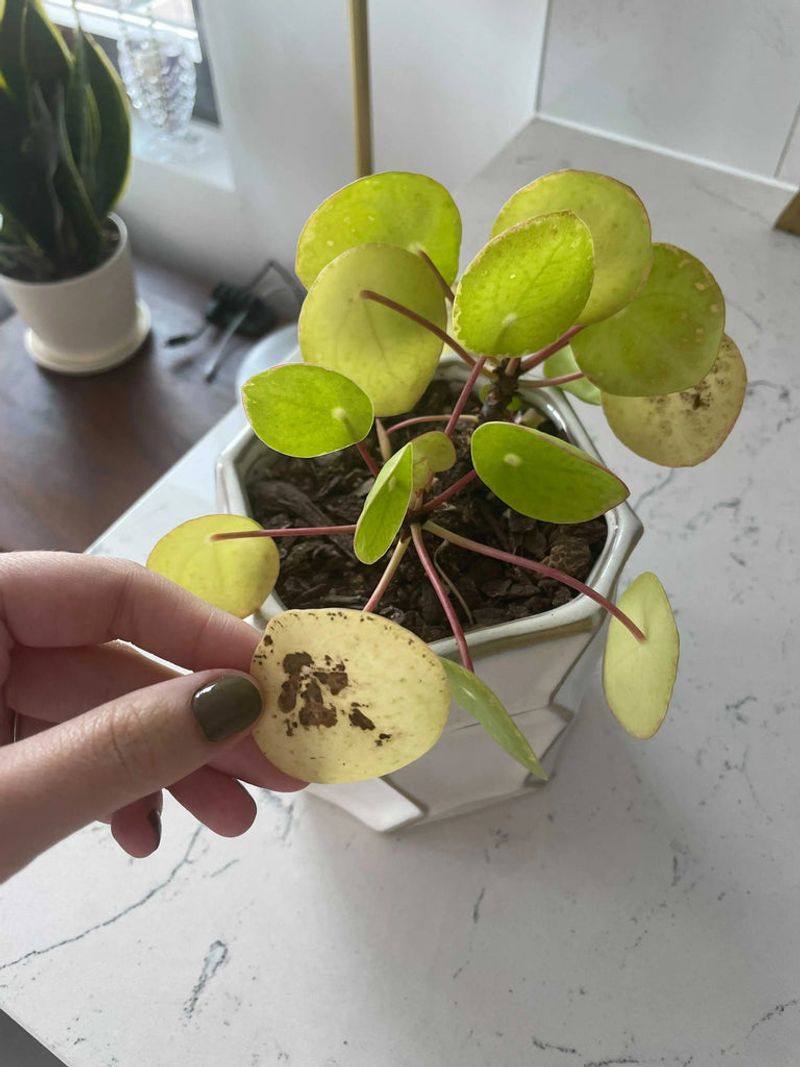
The Silent Saboteurs: Nutrient Deficiency and Pest Infestations
Yellowing can also be the silent scream of nutrient deficiency. Nitrogen, the lifeblood of chlorophyll, when scarce, causes widespread yellowing that spreads like a golden fog over the cactus’ form. Iron deficiency, another stealthy adversary, creates chlorotic patches that distort the starry visage, disrupting its symmetrical grace. These deficiencies often emerge from poor soil composition or depleted substrates, highlighting the need for a rich, well-aerated growing medium.
Equally nefarious are pest infestations—spider mites, scale insects, and mealybugs. These microscopic marauders sap vitality, puncturing protective surfaces and extracting precious sap, leaving behind yellowed scars and weakened defenses. Their presence is often betrayed by subtle discoloration and mottling, a cryptic code that, once cracked, reveals an urgent need for intervention.
Environmental Extremes: The Hidden Hand of Temperature and Humidity
Astrophytum cacti, though hardy, are not impervious to the whims of their environment. Sudden temperature fluctuations can provoke stress responses that manifest as yellowing. Exposure to cold drafts or frost injures tissues, causing necrotic yellow patches that foreshadow decay. Conversely, excessively high humidity fosters fungal infections that erode skin and leave yellow lesions—telltale signs of microbial invasion that can spiral into rot if neglected.
Resuscitating the Cosmic Beauty: Solutions for Yellowing Astrophytum
Addressing yellowing in your astrophytic star requires an alchemical blend of patience, tailored care, and vigilant observation. Start by calibrating the sunlight exposure—offering bright, indirect light to mimic the dappled desert ambience it craves. Adjust watering habits meticulously; allow the substrate to dry out completely between drenchings, evoking the cactus’ native arid rhythms.
Soil composition plays a pivotal role. A well-draining mix endowed with gritty sand and mineral-rich components encourages healthy root respiration and nutrient uptake. Supplement the substrate periodically with slow-release fertilizers rich in nitrogen, iron, and trace elements—nature’s tonic for restoring the star’s verdant glow.
Combat pests with natural insecticidal soaps or neem oil, applied as an interstellar shield to repel invaders without damaging your plant’s skin. Maintain environmental conditions stable and temperate, steering clear of sudden drafts or over-humidification that might tip the balance towards fungal foes.

Embracing the Quirks: Celebrating the Astrophytum’s Unique Appeal
Despite these challenges, the Astrophytum’s allure remains undiminished. Its mathematic symmetry, star-like hues, and subtle textures paint a portrait of resilience and mystique. Yellowing, when properly understood and addressed, becomes a narrative thread in its ongoing saga—an emblem of the delicate balance between life and environment. Like a cosmic puzzle, each yellow patch holds a clue, inviting caretakers to decode its silent language and nurture this botanical marvel back to celestial splendor.
In the end, growing an Astrophytum is more than horticulture—it is an invitation to connect with nature’s profound rhythms, to witness transformation, and to cultivate patience while fostering stellar beauty in one’s own home galaxy.
FAQ
What causes yellowing in Astrophytum cacti?
Yellowing can be caused by insufficient or excessive sunlight, nutrient deficiencies, pest infestations, and environmental extremes.
How can I treat yellowing in my Astrophytum?
To treat yellowing, ensure proper light exposure, adjust watering habits, amend the soil for nutrients, and check for pests.
Leave a Reply