

Short Answer
In the vast, sun-scorched expanse of the desert, where life clings to existence with tenacious resilience, a silent revolution is unfolding. It’s not a political upheaval or a technological breakthrough—it’s the quiet, inexorable rise of the cactus. These spiky sentinels of the arid wilderness, once dismissed as mere obstacles or botanical oddities, have found their way into homes, offices, and hearts across the globe. But why? What alchemy of human psychology transforms these prickly desert dwellers into objects of desire, symbols of endurance, and even status symbols? The answer lies in the intricate dance between nature’s tenacity and the human psyche’s yearning for connection, meaning, and beauty.
The Allure of the Unattainable: Why Scarcity Breeds Desire
There’s a primal thrill in possessing something rare, something that doesn’t surrender its charms easily. Cacti embody this principle effortlessly. Unlike the ubiquitous ferns or the obliging succulents that seem to thrive on neglect, cacti demand respect. Their slow growth, their need for precise conditions, their refusal to bloom without permission—all of these qualities transform them into botanical enigmas. In a world where instant gratification is the norm, the cactus stands as a defiant monument to patience. It whispers to the buyer: *You, too, can cultivate resilience.* This scarcity, both in their natural habitat and in their ability to flourish under human care, makes them irresistibly coveted.
Consider the saguaro, that towering giant of the Sonoran Desert. A single specimen can take decades to grow just a few inches, and a mature one may stand for a century or more. When someone purchases a saguaro, they’re not just buying a plant—they’re acquiring a piece of time itself, a living artifact of endurance. The psychology here is clear: we are drawn to what we cannot control, what we must earn. The cactus, with its stoic silence and unyielding spines, becomes a mirror for our own aspirations to grow, to persist, to thrive against the odds.
The Thorns That Bind: The Paradox of Beauty and Danger
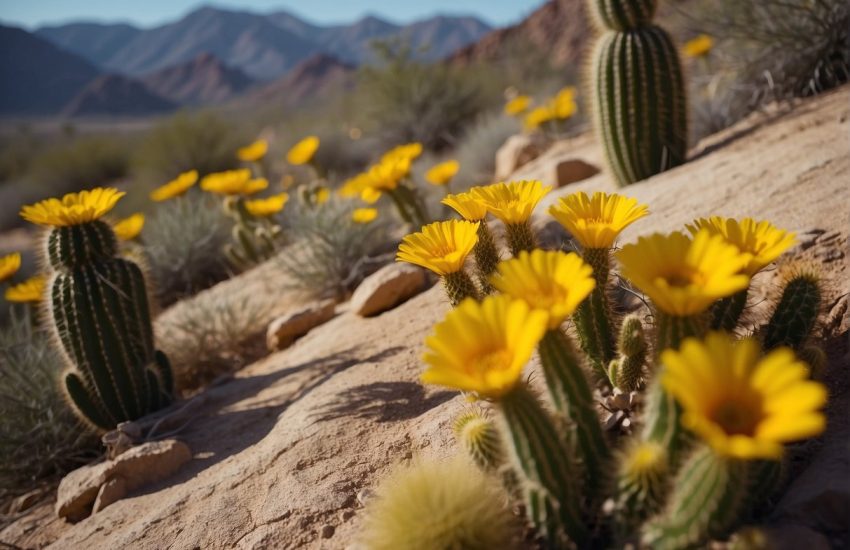
There’s an undeniable magnetism to the cactus’s duality—its stark, geometric forms juxtaposed with the threat of its spines. This paradox is a masterclass in human attraction. We are instinctively drawn to beauty, but we are also fascinated by danger, by the edge between safety and peril. The cactus embodies this tension perfectly. Its flowers, when they deign to bloom, are often vibrant, delicate, and fleeting—like the rarest of jewels. Yet, reach for them without caution, and the spines will remind you of nature’s uncompromising rules.
This duality taps into a deeper psychological phenomenon: the thrill of the forbidden. In an era where safety is often prioritized over adventure, the cactus offers a controlled brush with the wild. It’s a way to invite a piece of the untamed world into our sanitized spaces without the risk of true danger. The spines become not just a defense mechanism but a symbol of the boundaries we must respect—both in nature and in life. When we place a cactus on our windowsill, we’re not just decorating; we’re engaging in a silent pact with the wild, a reminder that beauty and peril can coexist.

The Desert’s Whisper: Minimalism and the Art of Letting Go
In a culture saturated with noise, clutter, and the relentless pursuit of more, the cactus emerges as a radical alternative. It is the embodiment of minimalism, a living sculpture that asks for almost nothing in return. A single pot, a sliver of sunlight, and the occasional sip of water—these are the cactus’s only demands. In this simplicity, we find a profound relief. The cactus teaches us that less can indeed be more, that beauty doesn’t require excess, and that true elegance lies in restraint.
This minimalist appeal is no accident. Modern life is exhausting, and our homes often reflect the chaos of our minds. The cactus, with its clean lines and uncluttered presence, offers a visual and emotional palate cleanser. It’s no wonder that interior designers and homeowners alike have embraced these desert dwellers as symbols of sophistication and tranquility. The cactus doesn’t just occupy space—it transforms it, turning a room into a sanctuary of calm and contemplation. In a world that feels increasingly fragmented, the cactus’s quietude is a balm for the soul.
The Symbolism of Survival: What Cacti Teach Us About Resilience
Few plants are as synonymous with resilience as the cactus. In an environment where water is scarce, temperatures soar, and the soil is often barren, the cactus thrives. It stores water in its fleshy stems, it conserves energy with its waxy coating, and it reproduces with a tenacity that borders on the miraculous. These adaptations are not just biological marvels—they are lessons in survival. When we bring a cactus into our lives, we’re not just inviting a plant indoors; we’re adopting a philosophy.
In a society that often glorifies speed and immediate results, the cactus stands as a counter-narrative. It reminds us that slow and steady wins the race, that adaptation is key to survival, and that beauty can emerge from the harshest of conditions. This symbolism resonates deeply in an era where burnout and stress are pervasive. The cactus becomes a totem, a reminder that we, too, can endure, that we can find strength in adversity. It’s no surprise that cacti are often gifted to those going through challenging times—a silent vow that resilience is possible.
The Collector’s Obsession: Why Cacti Become Addictive
There’s a reason why cactus collecting is more than just a hobby—it’s an obsession. For some, it begins with a single specimen, a small prickly pear or a modest barrel cactus. But soon, the collector finds themselves drawn to the hunt. They scour nurseries, attend plant swaps, and trade cuttings with fellow enthusiasts. The thrill of the chase is intoxicating, and the variety is endless. From the diminutive mammillaria to the sprawling euphorbia, each cactus offers a unique personality, a distinct challenge.
This collector’s zeal taps into a fundamental human drive: the pursuit of the extraordinary. In a world where most things are mass-produced and identical, the cactus collector seeks the rare, the unusual, the one-of-a-kind. Each new addition to their collection is a conquest, a testament to their discernment and dedication. But it’s more than just pride—it’s a connection to the natural world, a way to feel part of something larger than themselves. The cactus, in all its prickly glory, becomes a companion on a journey of discovery.
The Cactus as Status Symbol: From Survival to Sophistication
What was once a plant of necessity in the desert has evolved into a symbol of status and sophistication in modern society. The cactus’s journey from survival tool to status symbol is a fascinating study in cultural evolution. In the 19th century, European explorers marveled at the cactus’s ability to thrive in harsh conditions, and soon, wealthy collectors were shipping specimens back to their homelands. Today, a rare or meticulously cultivated cactus can fetch thousands of dollars at auction, its price driven not by utility but by exclusivity.
This transformation speaks to a deeper truth about human nature: we are drawn to what others desire. The cactus, once a humble desert dweller, has become a canvas for human ambition, a way to signal taste, discernment, and even wealth. But it’s more than just a status symbol—it’s a conversation starter, a piece of living art that invites curiosity and admiration. In a world where status is often tied to the ephemeral, the cactus offers a tangible, enduring form of prestige. It’s a reminder that true luxury lies not in excess, but in the rare and the resilient.
The Emotional Landscape of the Cactus: Why We Feel Connected to Prickly Plants
At its core, the cactus is a paradox—a plant that is both fiercely independent and deeply connected to its environment. It doesn’t ask for much, but it gives even less in return. And yet, we feel a strange kinship with it. Perhaps it’s because the cactus mirrors our own complexities: the parts of us that are strong and resilient, the parts that are guarded and prickly, the parts that bloom only under the right conditions. In the cactus, we see a reflection of our own struggles and triumphs.
This emotional connection is why cacti are often given as gifts for new beginnings, for strength in adversity, or simply as a token of affection. They are plants that understand boundaries, that respect silence, and that thrive in their own time. In a world where relationships can feel transactional and superficial, the cactus offers a different kind of companionship—one that is quiet, steadfast, and unconditional. It doesn’t demand attention, but when it does bloom, it rewards us with a spectacle that feels like a secret shared between old friends.
The Future of the Cactus: A Symbol for the Modern Age
As we stand on the precipice of an uncertain future—one marked by climate change, environmental degradation, and a growing disconnect from nature—the cactus emerges as an unlikely hero. It is a plant that has already adapted to some of the harshest conditions on Earth, and it offers a blueprint for resilience. In our homes, our offices, and our hearts, the cactus reminds us that survival is possible, that beauty can emerge from adversity, and that sometimes, the most extraordinary things are the ones that ask the least of us.
The cactus is more than just a plant. It is a teacher, a companion, a symbol of endurance, and a testament to the power of quiet strength. In a world that often feels chaotic and overwhelming, the cactus stands as a beacon of hope—a reminder that even in the most barren landscapes, life finds a way. And perhaps, in inviting the cactus into our lives, we are not just decorating our spaces. We are embracing a philosophy, a way of being that is as enduring as the desert itself.
FAQ
Why do people buy cacti?
People are drawn to cacti due to their unique beauty, minimal care requirements, and the symbolic meanings attached to them.
How do cacti symbolize status?
Rare and well-cultivated cacti can be expensive, making them symbols of taste and wealth among collectors.




Leave a Reply