
Short Answer
Embarking on the verdant journey of cultivating cacti can be as invigorating as it is educational, especially when the protagonists of your botanical narrative are the resilient and radiant Gymnocalycium species. These globular gems, often overlooked in favor of their spikier cousins, offer an unparalleled gateway into the world of desert flora for beginners—particularly in school settings where curiosity and hands-on learning intertwine. With their forgiving nature and striking appearances, Gymnocalycium cacti are not just plants; they are living laboratories, whispering secrets of adaptation and survival in arid landscapes. Whether you’re a teacher seeking to spark wonder in young minds or a student eager to nurture life from a tiny seed, these cacti promise a rewarding experience that transcends the ordinary.
The Allure of Gymnocalycium: A Primer for Novice Botanists
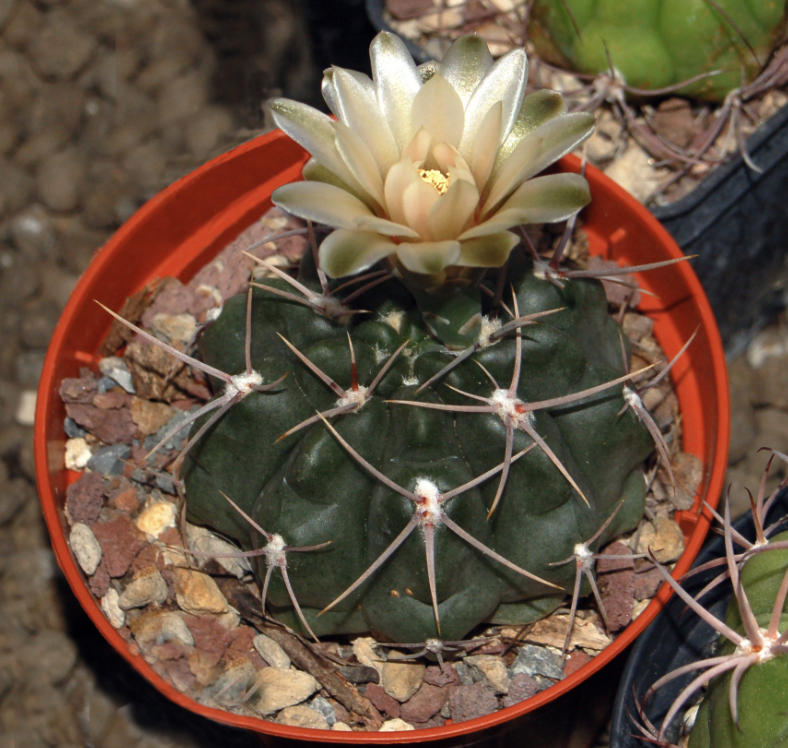
Gymnocalycium, a genus native to South America, boasts over 70 species, each with its own quirks and charms. Unlike their more aggressive relatives, these cacti are celebrated for their gentle demeanor and manageable size, making them ideal for classroom environments. Their ribbed, often flattened bodies come in hues ranging from pale green to deep violet, while their flowers—ranging from pristine white to vibrant pink—burst forth like confetti, signaling the triumph of care over neglect. For beginners, the Gymnocalycium is a masterclass in patience and observation, teaching the delicate balance between hydration and drought, light and shade. Their slow growth ensures that students can witness the incremental marvels of botanical development without the pressure of rapid, overwhelming change.
Selecting Your Starters: Varieties That Thrive in Educational Settings
Not all Gymnocalycium are created equal, and choosing the right species can mean the difference between a thriving classroom garden and a collection of wilted experiments. The Gymnocalycium mihanovichii, with its quirky, off-center ribs and propensity for vibrant offsets, is a crowd-pleaser that rewards minimal care with maximal visual appeal. Meanwhile, the Gymnocalycium baldianum dazzles with its deep magenta blooms, a spectacle that can transform a drab windowsill into a floral showcase. For those seeking a challenge, the Gymnocalycium quehlianum offers a slow-growing, solitary beauty that demands precision in watering—a lesson in restraint for budding horticulturists. Each variety brings its own narrative, from the hardy Gymnocalycium denudatum, which thrives in cooler temperatures, to the more finicky Gymnocalycium horstii, which rewards attentive growers with luminous white flowers. By curating a mix of these species, educators can create a dynamic, ever-evolving ecosystem that mirrors the diversity of the natural world.
Cultivation 101: Soil, Light, and the Art of Subtle Nurturing
The secret to Gymnocalycium cultivation lies in replicating the conditions of their native habitats—arid, well-draining, and bathed in abundant sunlight. A soil mix of coarse sand, perlite, and a dash of organic matter mimics the mineral-rich, gritty terrain of the Andes, ensuring that roots remain unchoked by excess moisture. When it comes to light, these cacti are sun-worshippers, but they shun the harsh midday glare of a southern exposure. A bright, indirect light source, such as an east-facing windowsill, strikes the perfect balance, allowing the plants to photosynthesize without risking sunburn. Watering, the most critical—and often misjudged—aspect of cactus care, demands a light touch. During the growing season, a sparse regimen—watering only when the soil is bone-dry—prevents the dreaded rot that claims so many novice plants. In winter, dormancy calls for a near-total abstinence from water, a period that teaches the virtue of patience and the cyclical nature of life. For schools, this ritualistic watering schedule can double as a metaphor for discipline and delayed gratification, linking botany to life lessons.
Classroom Projects: Turning Cacti into Curriculum
The educational potential of Gymnocalycium extends far beyond their aesthetic appeal. These cacti can serve as the cornerstone of interdisciplinary projects that blend science, art, and even mathematics. A biology class might track growth rates, measuring the incremental expansion of ribs over months to explore concepts of cellular division and adaptation. An art teacher could challenge students to sketch the cacti at different stages of bloom, honing observational skills while celebrating the intersection of biology and aesthetics. For the mathematically inclined, the spiral patterns of the ribs offer a tangible way to introduce Fibonacci sequences and the golden ratio, proving that nature’s designs are as mathematically elegant as they are visually stunning. Even history classes can find a connection, as Gymnocalycium species were first documented by European botanists in the 19th century, sparking debates about colonialism and the global exchange of plant species. By integrating these cacti into lesson plans, educators can transform a simple plant project into a multifaceted learning experience.
Troubleshooting: When Green Thumbs Wilt (and How to Revive Them)
Even the most meticulous caregivers may encounter setbacks, but Gymnocalycium’s resilience offers a buffer against despair. Yellowing or wrinkled stems often signal overwatering, a common pitfall for enthusiastic beginners. The solution? Cease watering immediately and ensure the soil is parched before resuming a sparse routine. If the cactus appears stretched or etiolated, it’s a cry for more light—relocate it to a sunnier spot, but shield it from direct, scorching rays. Pests, though rare, can also pose a threat. Mealybugs and spider mites, those minuscule marauders, can be dispatched with a cotton swab dipped in rubbing alcohol, a lesson in precision and targeted intervention. For schools, these challenges become teachable moments, transforming failures into opportunities for problem-solving and resilience. After all, every wilted stem is a chance to reinforce the idea that growth—both botanical and personal—often requires a bit of struggle.
Beyond the Classroom: Community and Conservation
The journey with Gymnocalycium doesn’t have to end at the school gates. These cacti can become ambassadors for broader conversations about conservation and sustainability. Many species are threatened in the wild due to habitat destruction and over-collection, making responsible cultivation a form of activism. Schools can partner with local botanical gardens or conservation groups to propagate Gymnocalycium species, donating offsets to community centers or selling them at fundraisers to support desert ecosystem preservation. Alternatively, students can document their growing process in blogs or social media, raising awareness about the importance of native flora and the perils of poaching. By framing cactus care as an act of ecological stewardship, educators can instill a sense of global responsibility in their students, proving that even the smallest plants can have the largest impacts.
The Long Game: Patience, Rewards, and the Joy of Slow Growth
In a world obsessed with instant gratification, Gymnocalycium offers a refreshing counterpoint—a reminder that some of life’s most profound rewards are cultivated over time. Watching a tiny seedling evolve into a mature cactus, its ribs deepening and its flowers unfurling like a slow-motion ballet, is a masterclass in delayed gratification. For students, this process mirrors their own intellectual and personal growth, teaching them that mastery—whether in botany, academics, or life—requires consistent effort and unwavering attention. The annual bloom, a fleeting but spectacular event, becomes a metaphor for the transient yet transformative nature of growth itself. In the classroom, these cacti become more than plants; they are companions, witnesses to the passage of time, and symbols of perseverance. And when the first pink petals emerge, fragile and ephemeral, the entire room pauses to marvel—a testament to the magic that happens when humans and nature collaborate with patience and care.
FAQ
What is Gymnocalycium?
Gymnocalycium is a genus of cacti native to South America, known for their gentle nature and colorful appearance.
How often should I water Gymnocalycium?
Water only when the soil is completely dry, typically during the growing season.
What light conditions do Gymnocalycium cacti need?
They prefer bright, indirect sunlight and should be shielded from harsh midday rays.


Leave a Reply