

Short Answer
Have you ever wondered how a plant that looks like it belongs to an alien desert landscape manages to survive, thrive, and even fascinate millions around the world? What if students could embark on a mesmerizing journey through arid ecosystems without leaving their classroom chairs? The best cactus documentaries for students open up an extraordinary window into the resilient world of these spiny wonders. But here’s the challenge: how do you capture the essence of such stoic desert dwellers and translate it into engaging visual stories that ignite curiosity and deepen understanding? Let’s delve into a handpicked selection of captivating documentaries designed to educate, inspire, and perhaps even transform how students perceive the desert’s prickly protagonists.
The Intrigue of Deserts: Setting the Stage for Cactus Science
To truly appreciate cacti, one must grasp the grandeur and challenges of their environment. Deserts represent some of the most forbidding landscapes on Earth—scorching days, freezing nights, and scarce water. Documentaries that focus on this harsh habitat provide an essential backdrop, enriching students’ comprehension of the unique survival strategies cacti have evolved.

These films often commence with panoramic vistas of deserts, immediately enveloping viewers in the stark beauty and inhospitable conditions. This foundational understanding of environment is crucial because the cactus’s form—the thick stem, spines replacing leaves, and water-storing tissues—becomes a living testament to adaptation. Films that weave the ecosystem’s story seamlessly set the stage for deeper exploration.
Unraveling the Biology: The Fascinating Anatomy and Physiology of Cacti
Once the environment is established, the next chapter in the best cactus documentaries dives into their biology. Why do cacti look so bizarre compared to most plants? Why do they possess spines instead of leaves? What upshots does their metabolism—specifically CAM photosynthesis—offer in water conservation?
Educational documentaries targeting students often utilize high-resolution time-lapse footage and expert interviews to unravel these questions. They reveal the spines’ multifunctionality, from deterring herbivores to shading the plant’s surface. The succulent stems are portrayed as living reservoirs, storing water with unparalleled efficiency. Through meticulous storytelling, students begin to perceive cacti not as mere desert oddities but as masterpieces of evolutionary engineering.
Historical and Cultural Significance: More than Just a Plant
The cactus transcends biology; it extends into the realms of human history and culture. Many documentaries delve into how indigenous peoples and desert settlers harnessed cacti for food, medicine, and symbolism. This cultural dimension enriches the narrative, proving invaluable for students to connect science with anthropology and history.
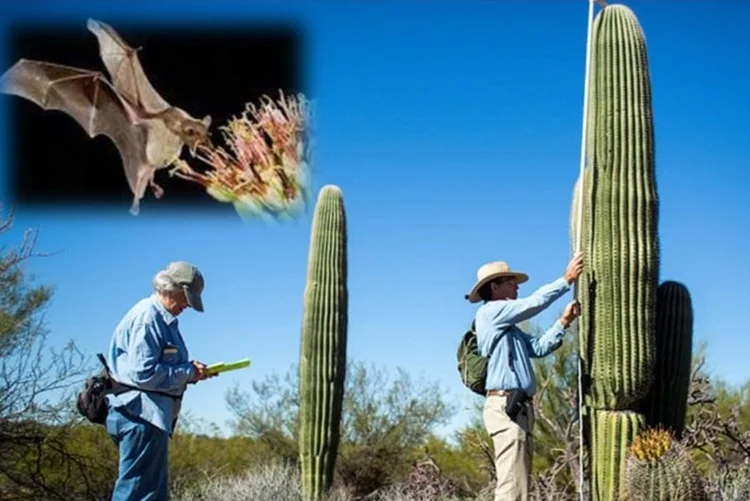
Documentaries that incorporate archival footage, ethnographic accounts, and modern-day practices impart an appreciation for the dynamic relationship between humans and cacti. Such inclusions nurture empathy and broaden student perspectives beyond the purely scientific lens.
Environmental Conservation: The Cactus in the Age of Climate Change
What stakes do desert plant species hold in the face of global climate upheaval? The best documentaries challenge students to consider conservation challenges and the ecological roles cacti play as keystone species in desert ecosystems. These narratives emphasize the threats of habitat destruction, invasive species, and illegal plant trade, urging learners to become advocates for environmental stewardship.
The visual stories often balance alarming data with inspiring conservation success stories, spotlighting scientists and local communities working collaboratively to preserve these specialists. By framing the cactus’s survival as a microcosm of broader ecological fragility, students gain critical insights into sustainable futures.
Engaging Educational Resources: How the Tucson Cactus and Succulent Society Elevates Learning
Beyond captivating documentaries, some organizations elevate the educational experience by providing hands-on learning modules, detailed research presentations, and interactive content related to cacti and succulents. For instance, organizations dedicated to cactus research offer rich repositories of knowledge that documentaries often draw upon, enhancing their scientific accuracy and appeal.
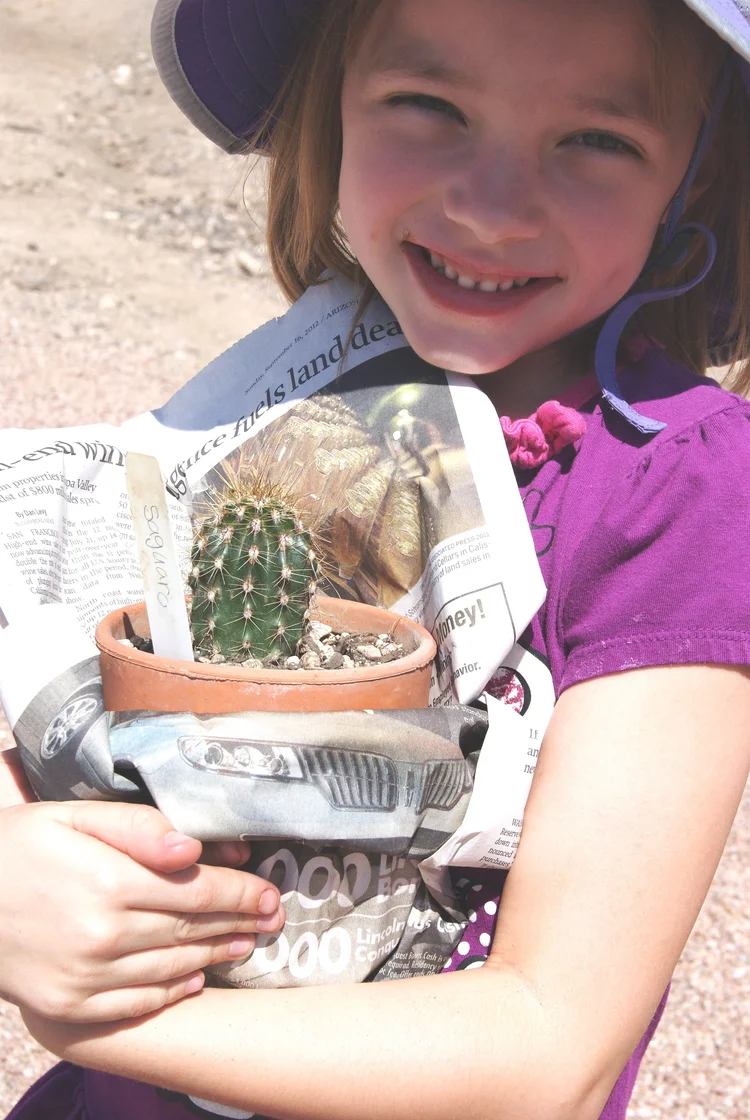
Students benefit tremendously from this integration of multimedia learning. Watching a documentary followed by exploring curated educational websites or participating in related citizen science projects creates a holistic educational loop. This approach stimulates inquiry, promotes critical thinking, and encourages students to investigate their own local environments for fascinating flora analogous to cacti.
Conclusion: Sparking Curiosity and Cultivating Stewardship Through Storytelling
In the end, the best cactus documentaries for students do more than just showcase a plant species—they unlock an entire world framed by resilience, adaptability, cultural richness, and environmental urgency. These films challenge students to rethink what survival looks like under seemingly impossible conditions and inspire them to become curious explorers and conscientious caretakers of natural heritage.
So, the next time you encounter a cactus—perhaps just a prickly silhouette in a movie or a plant on a window sill—ask yourself: what stories does this quiet guardian of the desert hold? The answers lie in the captivating documentaries that transform prickles and pores into tales of tenacity, wisdom, and wonder.
FAQ
What are the best cactus documentaries for students?
The best cactus documentaries for students focus on biology, cultural significance, and environmental conservation, providing engaging visual stories.
How do cactus documentaries help in education?
They enrich understanding of ecosystems, foster curiosity, and promote environmental stewardship through storytelling.



Leave a Reply