
Short Answer
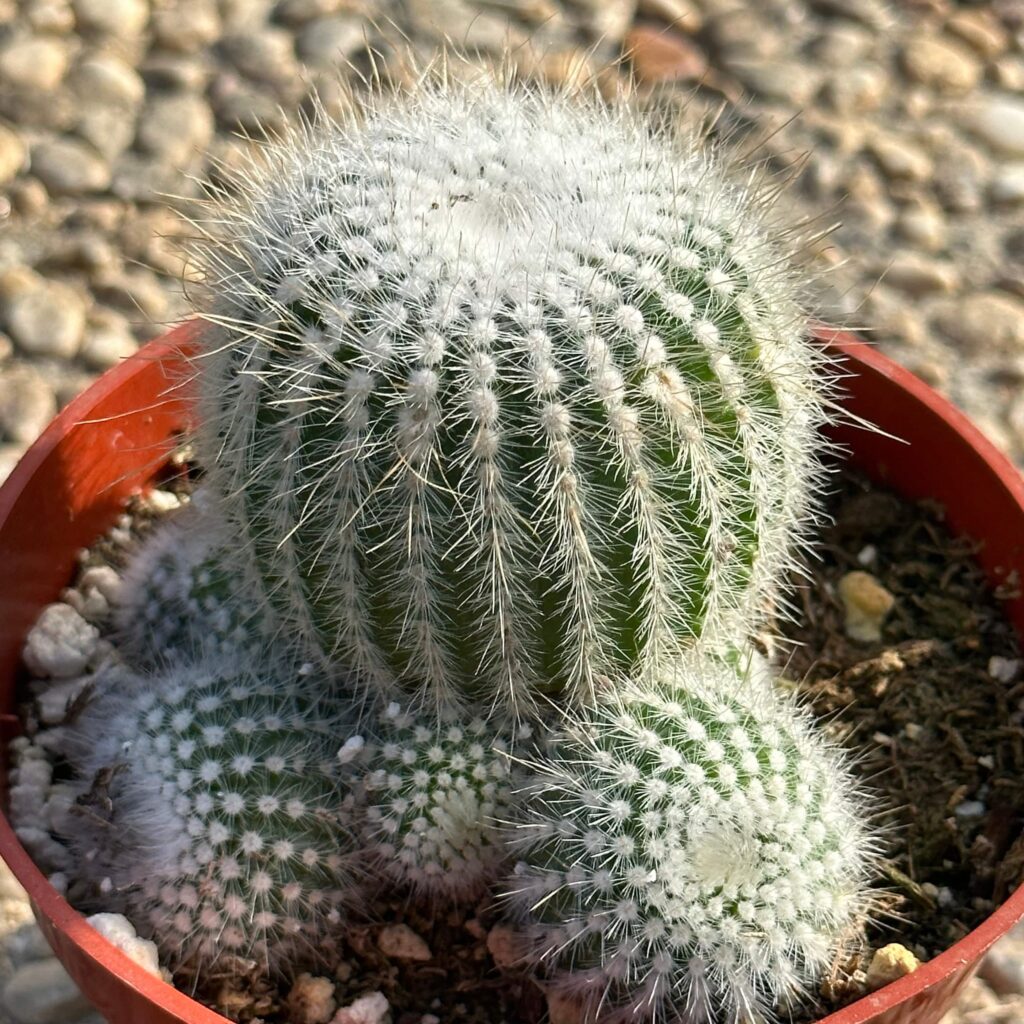
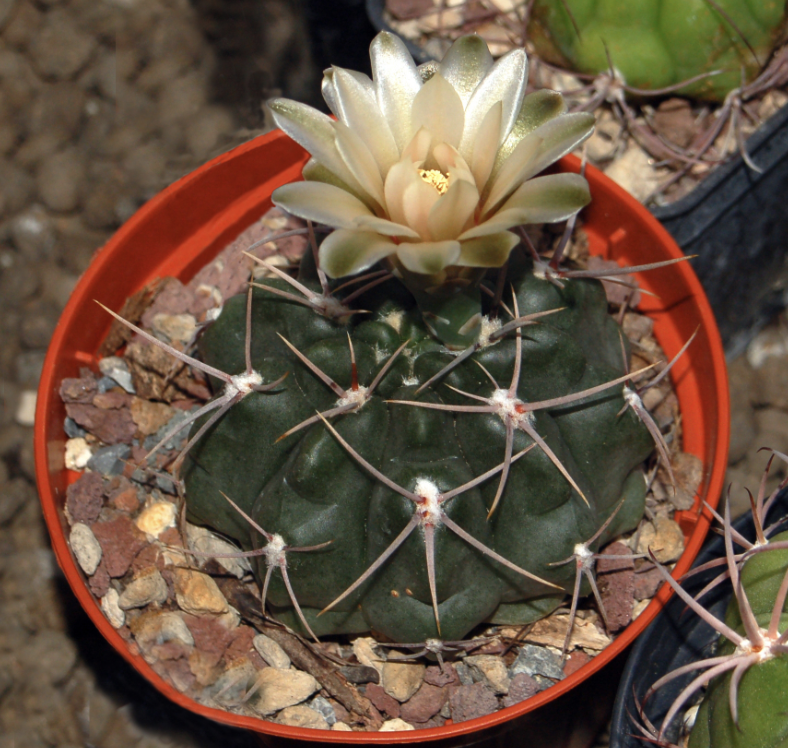
In the vast, sun-drenched landscapes of South America, where the earth bakes under the relentless gaze of the equator, a peculiar botanical marvel thrives—one that has captivated the imaginations of students, gardeners, and nature enthusiasts alike. The Parodia cactus, affectionately dubbed the “Golden Ball Cactus” for its radiant, spherical form, is more than just a prickly curiosity; it is a symbol of resilience, adaptability, and the quiet beauty that flourishes in the harshest of environments. For students embarking on their journey into the world of botany, this unassuming yet striking plant offers a gateway to understanding the intricate dance between form and function in the natural world.
The Allure of the Spherical: Why the Golden Ball Captivates Young Minds
There is something inherently mesmerizing about a sphere. In a world dominated by angular shapes and rigid structures, the Parodia cactus stands out with its smooth, rounded silhouette, a geometric anomaly that seems almost out of place in the rugged terrain it calls home. For students, this visual contrast sparks curiosity. Why would a plant evolve to be so perfectly round? The answer lies in the cactus’s evolutionary adaptations. The spherical shape minimizes surface area, reducing water loss in arid climates—a brilliant strategy for survival. Yet, this practicality is paired with a vibrant display of color, from golden yellows to deep reds, hinting at a deeper narrative of adaptation and survival. The Golden Ball Cactus is not just a plant; it is a living lesson in how nature balances efficiency with beauty.
From Seed to Sphere: The Life Cycle of a Parodia Cactus
The journey of a Parodia cactus begins in the most unassuming way—with a tiny seed, no larger than a grain of sand. For students observing this process, it is a humbling reminder of nature’s grandeur in miniature. The seed, when sown in well-draining soil and exposed to ample sunlight, germinates with surprising tenacity. Within weeks, a delicate sprout emerges, its first leaves appearing as little more than tiny bumps on a stem. But this is where the magic happens. Unlike many plants that stretch toward the sky in a bid for sunlight, the Parodia cactus grows outward, its stem swelling into a perfect sphere. This radial growth is not merely a quirk of nature; it is a survival tactic. By expanding horizontally, the cactus maximizes its water storage capacity while minimizing exposure to the scorching sun. For students, this is a tangible demonstration of how form follows function—a principle that extends far beyond the plant kingdom.
The Prickly Exterior: Understanding Areoles and Spines
At first glance, the Parodia cactus’s spines might seem like a deterrent, a fortress of sharp points designed to ward off predators. But for the keen-eyed student, these spines are far more than mere defenses. They are modified leaves, a fascinating adaptation that reduces water loss while providing shade to the plant’s surface. Each spine grows from a structure called an areole, a unique feature of cacti that serves as both a growth point and a storage unit for nutrients. The arrangement of spines on a Parodia cactus is not random; it follows a precise spiral pattern, a phenomenon known as phyllotaxis. This spiral growth ensures that each spine casts minimal shadow on its neighbors, optimizing the cactus’s ability to photosynthesize without overheating. For students, this is a living example of mathematical precision in nature—a reminder that even the smallest details can reveal profound truths about the natural world.
Sunlight and Symbiosis: The Cactus’s Relationship with Its Environment
The Parodia cactus is a master of symbiosis, thriving in a delicate balance with its surroundings. In its native habitat, it shares the arid landscape with a variety of other organisms, from insects to birds, each playing a role in its survival. For students, this interconnectedness is a powerful lesson in ecology. The cactus’s vibrant flowers, which bloom in a riot of colors, attract pollinators like bees and hummingbirds, ensuring the continuation of its species. Meanwhile, its spines provide shelter for small creatures, creating microhabitats within the harsh desert environment. This mutualism is a testament to the cactus’s role as a keystone species, a plant that supports an entire ecosystem despite its unassuming appearance. For budding ecologists, the Parodia cactus is a case study in how even the most seemingly solitary plants are, in fact, deeply embedded in the web of life.
Cultivating Curiosity: Growing a Parodia Cactus in the Classroom
Bringing the Parodia cactus into the classroom is more than a horticultural exercise; it is an invitation to explore the wonders of the natural world. Students can observe firsthand the cactus’s growth patterns, document its response to different light conditions, and even experiment with propagation techniques. The process of nurturing a Parodia from seed to mature plant fosters patience, observation skills, and a deeper appreciation for the intricacies of plant life. Moreover, the cactus’s low maintenance requirements make it an ideal subject for students of all ages. Whether grown in a terrarium or a simple pot on a windowsill, the Golden Ball Cactus serves as a constant reminder that learning is not confined to textbooks—it is a living, breathing experience. For educators, this plant is a tool for teaching resilience, adaptability, and the beauty of slow, steady growth.
The Deeper Fascination: What the Parodia Cactus Teaches Us About Adaptation
Beyond its aesthetic appeal and practical adaptations, the Parodia cactus holds a mirror to the broader principles of evolution and survival. Its ability to thrive in extreme conditions speaks to the resilience of life itself, a theme that resonates deeply with students navigating their own challenges. The cactus’s spherical shape, its water-storing stem, and its symbiotic relationships are not just quirks of nature—they are lessons in adaptation, innovation, and perseverance. For students, the Parodia cactus is a symbol of how life finds a way, even in the most inhospitable environments. It challenges us to look beyond the surface, to ask questions, and to seek understanding in the most unexpected places. In a world where change is the only constant, the Golden Ball Cactus stands as a testament to the power of adaptation—a lesson that extends far beyond the boundaries of the classroom.
FAQ
What is the Parodia cactus?
The Parodia cactus, also known as the Golden Ball Cactus, is a spherical cactus native to South America, recognized for its resilience and unique adaptations.
How do you care for a Parodia cactus?
The Parodia cactus requires minimal watering, well-draining soil, and full sunlight to thrive.


Leave a Reply