
Short Answer
Ever wondered if a prickly cactus could be the centerpiece of a whimsical miniature world? What if we told you that crafting your own cactus terrarium isn’t just a delightful pastime—it’s a rebellious act of creativity, a tiny ecosystem where spiky resilience meets delicate beauty? Whether you’re a seasoned green thumb or a curious beginner, this hands-on workshop invites you to roll up your sleeves and dive into the art of DIY cactus terrariums. But beware: once you start layering soil and arranging stones, there’s no turning back—only the thrill of watching life flourish in a glass sanctuary.
The Allure of Miniature Deserts: Why Cactus Terrariums Captivate Hearts
There’s something inherently magical about shrinking a desert landscape into a glass orb. Cactus terrariums distill the vast, sun-baked expanses of the Southwest into a pocket-sized oasis, where each spine and shadow tells a story. These miniature worlds are more than just decor—they’re a testament to nature’s adaptability. Cacti, with their stoic endurance and architectural forms, thrive in conditions that would wither most plants. By bringing them indoors, we celebrate their resilience while indulging in a meditative craft that sharpens focus and soothes the soul. Plus, let’s be honest: there’s an undeniable thrill in defying the stereotype that cacti are mere “set-it-and-forget-it” plants. With the right care, they’ll flourish, bloom, and even multiply, proving that even the prickliest characters can bring life to a room.
Gathering Your Arsenal: Tools and Materials for the Modern Terrarium Builder
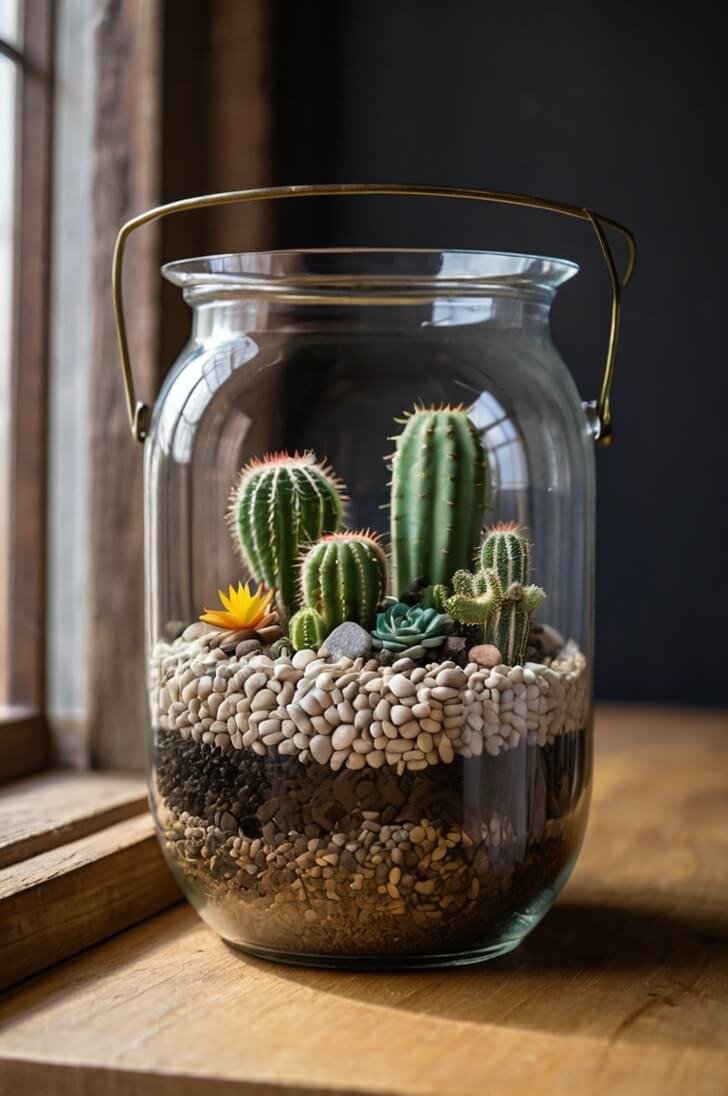
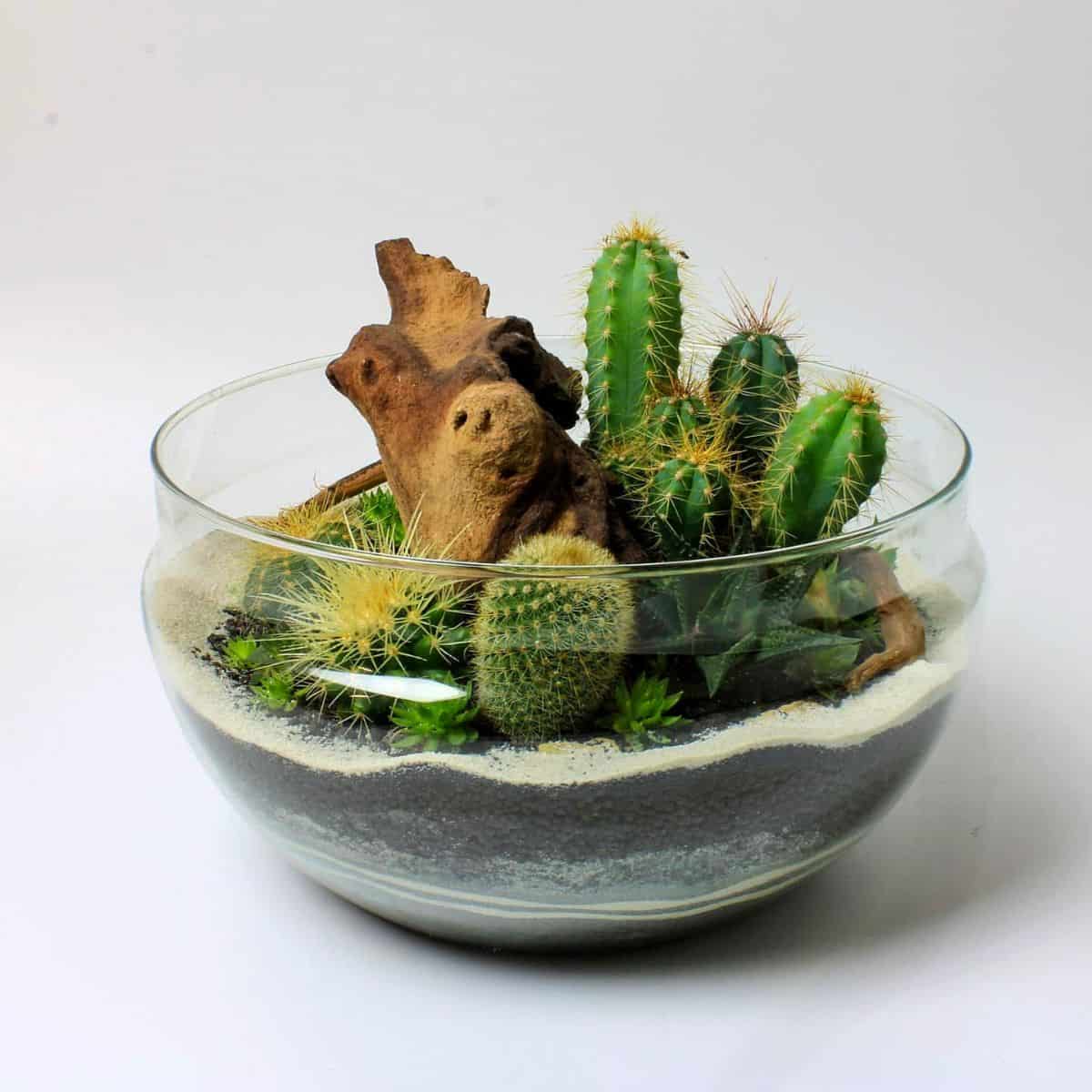
Before you embark on this botanical adventure, arm yourself with the essentials. You’ll need a clear glass container—think apothecary jars, geometric vases, or even repurposed fishbowls—to serve as your terrarium’s stage. Next, stock up on a porous, well-draining substrate like cactus mix, coarse sand, or perlite to mimic the arid conditions cacti adore. A layer of activated charcoal keeps the environment fresh, while pebbles or crushed granite add texture and aid drainage. Don’t forget the stars of the show: a variety of cacti—from the globular Mammillaria to the columnar San Pedro—and optional companions like air plants or succulents for contrast. Tools? A long-handled spoon, tweezers for precise placement, and a spray bottle for gentle hydration will become your best allies. And here’s a pro tip: raid your local dollar store for decorative elements—tiny figurines, colored sand, or even a miniature wooden bridge—to infuse your creation with personality.
The Layered Canvas: Crafting the Perfect Terrarium Foundation
The secret to a thriving cactus terrarium lies in its layers, each serving a vital purpose. Begin with a 1-2 inch bed of pebbles at the base to ensure impeccable drainage, preventing root rot in these desert dwellers. Sprinkle a thin layer of activated charcoal over the pebbles to keep the water fresh and prevent mold—a silent guardian against unseen threats. Now, the star of the substrate show: a 2-3 inch mix of cactus soil and perlite, which mimics the gritty, nutrient-poor soils of their natural habitat. Gently pat it down, but resist the urge to compact it; cacti need room to breathe, just like we do. As you arrange your chosen plants, consider their mature sizes and growth patterns. Place taller varieties toward the back or center, with smaller, sprawling species like Echeveria cascading over the edges. The result? A living tableau that feels both intentional and wild, as if plucked from a sun-drenched canyon.
A Playful Challenge: Can You Design a Themed Terrarium?
Here’s where the real fun begins. What if your cactus terrarium wasn’t just a plant arrangement—but a narrative? Dare to craft a “Midnight Oasis” with dark pebbles and a single, glowing Moon Cactus (Gymnocalycium), or a “Jungle in the Desert” by tucking in a trailing String of Pearls (Senecio rowleyanus) among the spines. The challenge? Balance cohesion with whimsy. Every element should feel like it belongs, yet surprise the viewer. Will you go for a minimalist zen garden, or a riotous “spiky jungle” where cacti elbow each other for space? The only limit is your imagination—and perhaps your local nursery’s stock. Pro tip: Sketch your design first on paper, mapping out plant placements like a botanical architect. And remember, symmetry is overrated; asymmetry often yields the most dynamic results.
Nurturing Your Miniature Ecosystem: Care Tips for the Discerning Gardener
Cacti may be low-maintenance, but they’re not no-maintenance. Light is their lifeblood—place your terrarium in a spot that basks in bright, indirect sunlight for at least 6 hours daily. A south-facing window is ideal, but if your space is dim, supplement with a grow light. Watering, however, is where many new terrarium builders stumble. The golden rule? Less is more. Water sparingly—just enough to moisten the soil, then let it dry out completely before watering again. Overwatering is the fast track to a sad, mushy demise. Rotate your terrarium occasionally to ensure even growth, and keep an eye out for pests like mealybugs or spider mites. If you spot trouble, a cotton swab dipped in rubbing alcohol can evict uninvited guests without harming your plants. And here’s a quirky hack: place a small thermometer inside to monitor humidity. Cacti prefer it dry, but if your home is particularly humid, a dehumidifier nearby can save the day.
Troubleshooting the Thorny Issues: Common Pitfalls and How to Outsmart Them
Even the most meticulous terrarium builders encounter hiccups. Is your cactus leaning like the Tower of Pisa? It’s likely reaching for light—rotate the container and consider a grow light. Are the spines looking lackluster or brown? This could signal overwatering or poor drainage. Time to reassess your substrate layers. What if mold creeps in, turning your once-pristine terrarium into a science experiment? Act fast: remove the affected plants, replace the top layer of soil, and adjust your watering habits. And then there’s the dreaded “cactus sprawl”—when your carefully arranged plants outgrow their home. Prune back overzealous growth, or be prepared to upgrade to a larger container. The key? Patience and observation. Your terrarium is a living entity, and like any relationship, it requires attention and adaptation.
Beyond the Glass: The Ripple Effect of Terrarium Crafting
The beauty of DIY cactus terrariums extends far beyond their glass walls. This craft fosters a deeper connection to nature, teaching us to slow down and appreciate the intricate details of the plant world. It’s a gateway to sustainability, encouraging repurposing of containers and mindful plant selection. And let’s not overlook the social magic of terrarium workshops—whether you’re gifting a handmade creation to a friend or hosting a creative date night, these miniature gardens spark conversation and camaraderie. In a fast-paced world, there’s something radical about nurturing life in a confined space. It’s a quiet rebellion against disposable culture, a celebration of patience, and a reminder that even the smallest ecosystems can thrive with care.
FAQ
What is a cactus terrarium?
A cactus terrarium is a miniature ecosystem contained within a glass vessel, featuring cacti and other desert plants.
What are the best types of cacti for terrariums?
Some excellent choices include Mammillaria, San Pedro, and Moon Cactus, as they thrive in confined environments.
Leave a Reply