
Short Answer
In the quiet corners of urban dwellings, where sunlight filters through sheer curtains and space is a luxury, a miniature world of resilience and beauty thrives—welcome to the realm of terrariums. These glass-encased ecosystems are not merely decorative; they are living art, a testament to nature’s ability to adapt and flourish in the most confined of spaces. Among the stars of this tiny botanical universe is the Mammillaria, a genus of cacti that embodies the spirit of tenacity and charm. With their globular forms, delicate spines, and occasional bursts of vibrant flowers, these cacti transform terrariums into enchanting micro-oases. Let’s delve into the art of cultivating Mammillaria in terrariums, where every spine tells a story of survival and every bloom whispers of nature’s quiet triumphs.
The Allure of Mammillaria: A Cactus with Character
Mammillaria cacti are the unsung heroes of the succulent world, their diminutive stature belying their outsized personalities. Native to the arid landscapes of Mexico and the southwestern United States, these cacti have evolved to thrive in conditions that would wither lesser plants. Their globular or cylindrical bodies, often adorned with dense clusters of spines, are a marvel of evolutionary ingenuity—each spine a tiny shield against the sun’s relentless gaze and a deterrent to would-be grazers. But it is their flowers that truly captivate. Bursting forth in rings around the crown, these blooms—ranging from snowy white to fiery magenta—are fleeting yet unforgettable, a reminder that even in the harshest environments, beauty persists.
In a terrarium, Mammillaria becomes a living sculpture, its form and texture adding depth and intrigue to the miniature landscape. The contrast between its spiny exterior and the soft, velvety mosses or gritty sand that surround it creates a visual symphony, where ruggedness meets delicacy. For those with limited space, these cacti offer a way to cultivate a slice of the desert without sacrificing square footage, proving that even the smallest gardens can harbor the wildest wonders.
Choosing the Right Terrarium: A Glass Canvas for Desert Dreams
Not all terrariums are created equal, and selecting the right vessel for your Mammillaria is the first step toward horticultural success. The ideal terrarium is a transparent, open-topped container—think of it as a clear glass dome or a wide-mouthed jar—where air circulation can mimic the breezes of the desert. Closed terrariums, while enchanting, trap moisture and can lead to rot, a fate no Mammillaria enthusiast wants to encounter. Instead, opt for a container that allows for ventilation, ensuring that the cactus’s roots remain dry and its spines stay crisp.
The size of the terrarium matters, too. Mammillaria species vary in size, from the tiny Mammillaria gracilis, which fits snugly in a thimble-sized dish, to larger varieties like Mammillaria longimamma, which demands a bit more elbow room. A good rule of thumb is to choose a container that allows at least an inch of space between the cactus and the glass walls. This not only prevents overcrowding but also gives the plant room to grow, ensuring that its spines and flowers have room to unfurl without constraint. Think of the terrarium as a stage, and the Mammillaria as the star performer—every detail should be designed to highlight its presence.
Soil and Substrate: Crafting the Perfect Desert Bed
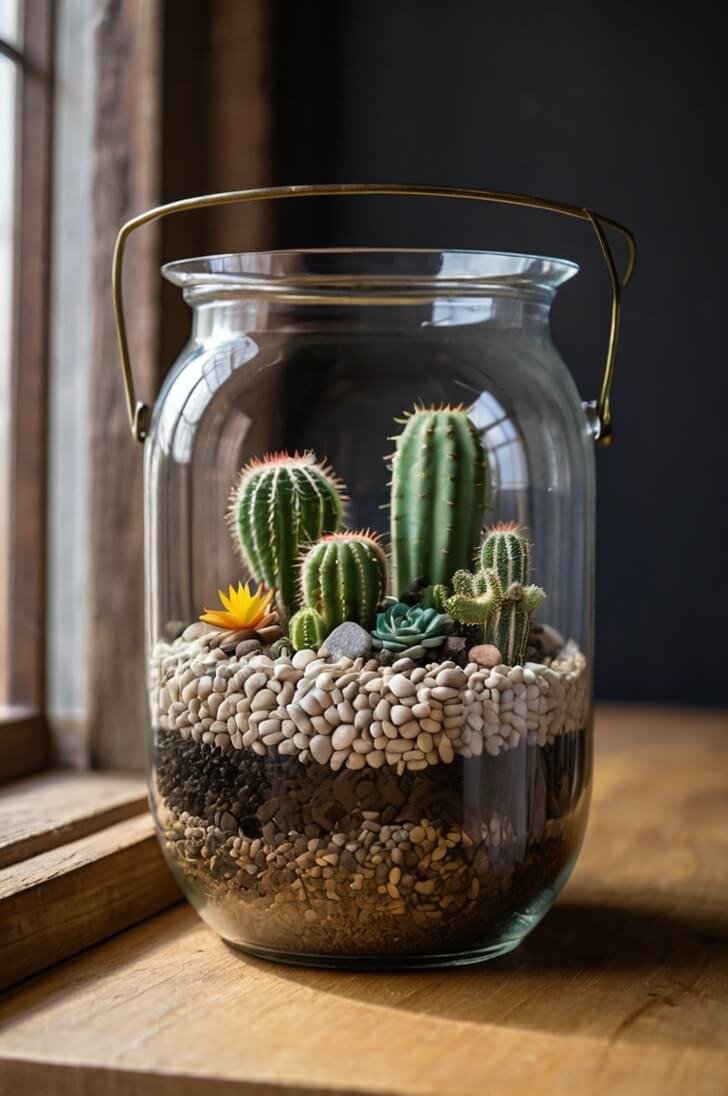
The foundation of any thriving Mammillaria terrarium is its soil—a blend that mimics the well-draining, nutrient-poor conditions of its natural habitat. Standard potting mixes are too dense and retain too much moisture, so gardeners must become alchemists, mixing their own substrate with precision. Start with a base of coarse sand, the kind used in aquariums or construction, which provides excellent drainage. To this, add perlite or pumice, tiny volcanic rocks that create air pockets in the soil, preventing compaction and root suffocation. A handful of gritty horticultural grit or turface can further enhance drainage, ensuring that water flows through the soil like a desert stream, never lingering long enough to drown the roots.
Layering is key. Begin with a thin layer of pebbles or coarse gravel at the bottom of the terrarium to mimic the rocky terrain of the cactus’s native land. This not only aids drainage but also adds a touch of rugged elegance to the composition. Above this, place the soil mix, leaving enough space at the top for the Mammillaria to sit snugly without being buried. The substrate should be slightly acidic to neutral, with a pH between 6.0 and 7.5—a range that most Mammillaria species find agreeable. Remember, in the world of these cacti, less is more; too much organic matter invites rot, while too little starves the plant of nutrients. Strike the balance, and your Mammillaria will reward you with years of growth.
Light and Temperature: Recreating the Desert’s Embrace
Mammillaria cacti are sun-worshippers, their spines evolved to shield them from the harsh rays of the desert sun. In a terrarium, replicating this intensity is crucial. Place your creation in a spot where it can bask in bright, indirect light for at least six hours a day. A south-facing windowsill is ideal, though east or west-facing locations can also work, provided the light is filtered through a sheer curtain to prevent scorching. If natural light is scarce, supplement with a grow light, positioning it a few inches above the terrarium to mimic the sun’s zenith. Avoid low-light conditions, which can lead to etiolation—where the cactus stretches unnaturally in search of light, its spines becoming sparse and its form elongated.
Temperature, too, plays a pivotal role. Mammillaria species thrive in warm conditions, with daytime temperatures between 70°F and 100°F (21°C–38°C) and nighttime drops to around 50°F–60°F (10°C–15°C). This diurnal temperature fluctuation is essential for triggering flowering, a phenomenon known as thermoperiodism. In the confines of a terrarium, maintaining such warmth is straightforward, especially in climates where indoor heating is consistent. However, be mindful of drafts or sudden temperature drops, which can stress the plant. Think of the terrarium as a microclimate, a carefully curated environment where every degree matters.
Watering Wisdom: The Art of Restraint
Watering a Mammillaria in a terrarium is less about hydration and more about restraint. These cacti are adapted to survive prolonged droughts, their fleshy stems storing water like a camel’s hump. Overwatering is the fastest path to rot, a silent killer that lurks beneath the soil. The key is to water sparingly and infrequently. Begin by misting the soil lightly, just enough to dampen the top layer without soaking it. Allow the soil to dry out completely between waterings—this could mean waiting weeks or even months, depending on the season and the terrarium’s environment. In winter, when growth slows, reduce watering further, mimicking the dry season of the desert.
When in doubt, err on the side of underwatering. A Mammillaria can bounce back from dehydration far more easily than it can from rot. Observe the plant closely: wrinkled or shriveled stems indicate thirst, while mushy, discolored patches signal overindulgence. The soil should feel dry to the touch before you consider watering again. And when you do, do so with intention—pour water gently around the base of the cactus, avoiding the spines and flowers, which can trap moisture and lead to fungal issues. Think of watering as a sacred ritual, a moment of connection between you and the plant, where patience and precision are rewarded with vibrant health.
Styling the Terrarium: A Desert Oasis in Miniature
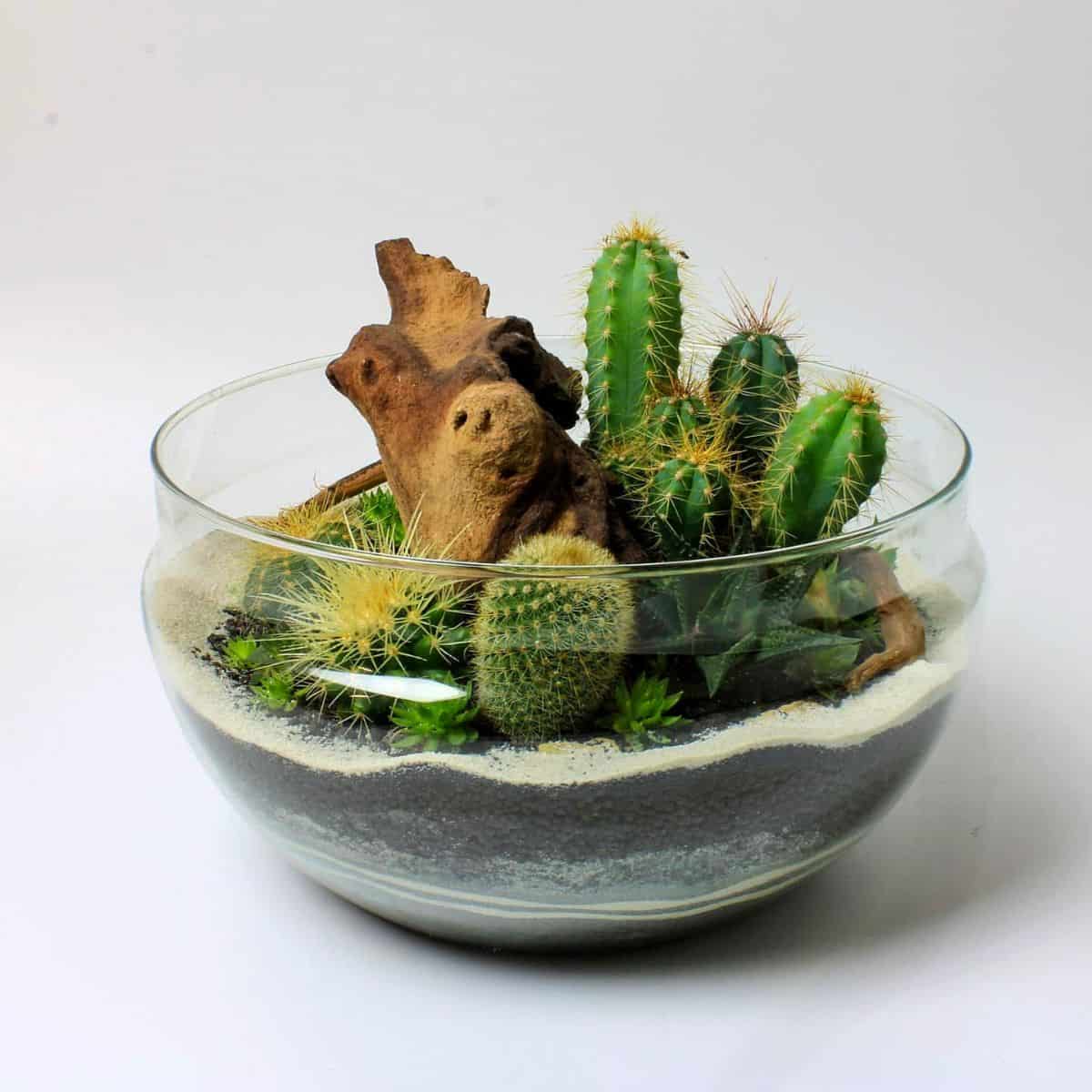
A terrarium is more than a plant in a jar—it is a living tableau, a snapshot of a desert landscape condensed into a few square inches. Styling your Mammillaria terrarium is where creativity meets horticulture, where every pebble and twig becomes a brushstroke in a miniature masterpiece. Start with a base layer of sand or fine gravel, mimicking the arid plains of the desert. Add a few larger rocks or pieces of driftwood to create texture and depth, their rough surfaces contrasting with the smooth spines of the cactus. Mosses, in shades of emerald or golden brown, can soften the scene, their velvety texture inviting touch and adding a sense of tranquility.
Consider the placement of your Mammillaria within the terrarium. A central position draws the eye, making the cactus the undeniable focal point. Alternatively, tuck it into a corner, where its spines can frame the composition like a natural sculpture. Pair it with other drought-tolerant plants, such as Echeveria or Sedum, to create a diverse yet harmonious ecosystem. The goal is to evoke the feeling of a desert garden, where every element—from the smallest pebble to the tallest cactus—contributes to a sense of wild, untamed beauty. And don’t forget the finishing touches: a sprinkle of decorative sand, a tiny figurine of a desert creature, or a driftwood branch can elevate your terrarium from mere plant to a conversation piece.
Long-Term Care: Nurturing a Living Legacy
Cultivating a Mammillaria in a terrarium is not a fleeting endeavor—it is a commitment to a living legacy, a partnership between gardener and plant that unfolds over years. As your cactus grows, it may outgrow its terrarium, its spines pressing against the glass in a silent plea for more space. When this happens, it’s time to repot, a process that requires gentle hands and a steady touch. Carefully remove the cactus from its home, brush off the old soil, and inspect the roots for signs of rot or pests. Trim any damaged roots with a sterilized knife, then replant in fresh substrate, giving the cactus a new lease on life in a slightly larger terrarium.
Pests, though rare in healthy Mammillaria, can occasionally appear. Mealybugs and scale insects, those tiny vampires of the plant world, may take up residence on the spines or stems. Treat infestations promptly with a cotton swab dipped in rubbing alcohol or a gentle insecticidal soap, ensuring that the pests are eradicated before they weaken the plant. And always keep an eye out for signs of stress—yellowing stems, soft spots, or a lack of flowers—which can indicate underlying issues with light, water, or soil.
With proper care, your Mammillaria terrarium will become a cherished companion, a living testament to the beauty of resilience. Over time, it may produce offsets, tiny clones of the parent plant that can be carefully separated and replanted, propagating your desert dreams into new terrariums. Each bloom is a celebration, each new spine a milestone. In the quietude of your glass-enclosed garden, you’ll find a sanctuary—a reminder that even in the smallest of spaces, life can thrive, adapt, and flourish.
FAQ
Can Mammillaria cacti thrive in closed terrariums?
Closed terrariums trap moisture which can cause rot in Mammillaria cacti. It is best to use open or well-ventilated terrariums to maintain dry conditions favorable for these cacti.
How often should I water Mammillaria in a terrarium?
Water sparingly and allow the soil to dry completely between waterings. Depending on conditions, this could mean watering every few weeks or months, especially less in winter.
What type of soil is best for Mammillaria terrariums?
A well-draining soil mix composed of coarse sand, perlite or pumice, and minimal organic matter mimics their natural desert environment and prevents root rot.
What lighting conditions do Mammillaria cacti need in terrariums?
They need bright, indirect light for at least six hours a day. A south-facing window or supplemental grow lights are ideal to prevent etiolation and promote flowering.
Leave a Reply