
Short Answer
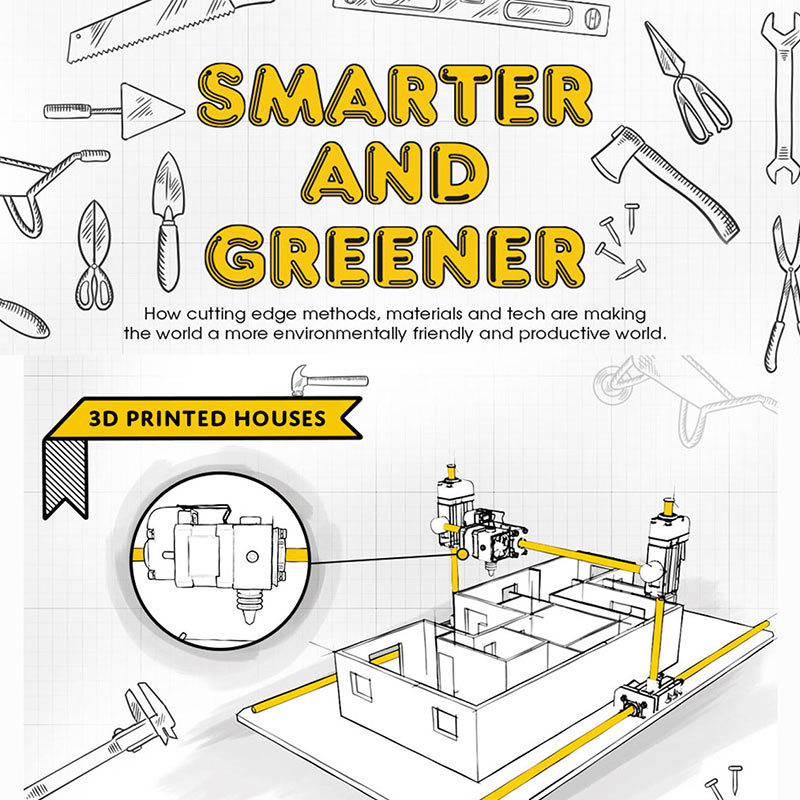
In the arid landscapes where sunlight bakes the earth into submission, a silent revolution is unfolding—not in the realm of politics or economics, but in the unassuming form of a cactus. This spiky sentinel of the desert, often dismissed as mere flora, has quietly infiltrated the cutting-edge world of 3D printing, revealing itself as an unsung hero of innovation. The juxtaposition of a plant synonymous with scarcity and the hyper-modern technology of additive manufacturing might seem absurd at first glance. Yet, beneath the surface lies a fascinating convergence of nature’s ingenuity and human creativity, where the cactus’s unique properties are being harnessed to redefine the boundaries of what’s possible in 3D printing.
The Cactus as a Muse: Nature’s Blueprint for Sustainable Design
At first, the idea of a cactus inspiring 3D printing might evoke images of a desert mirage—fleeting and illusory. But delve deeper, and you’ll find that the cactus is a masterclass in efficiency, a living testament to sustainability long before the term became a buzzword. Its ribbed, segmented structure isn’t just a quirk of evolution; it’s a marvel of water conservation, maximizing surface area while minimizing exposure. This geometric elegance has caught the eye of designers and engineers, who are now translating these organic patterns into 3D-printed structures. Imagine scaffolds for tissue engineering, where the cactus’s ribbed morphology allows for optimal nutrient flow, or architectural facades that mimic the plant’s ability to thrive in harsh conditions. The cactus isn’t just a muse—it’s a blueprint for a future where sustainability and innovation walk hand in hand.
Material Alchemy: From Prickly Exterior to Printable Gold
One might assume that the cactus’s role in 3D printing is limited to aesthetic inspiration, but the reality is far more transformative. The plant’s spines, often perceived as mere defensive mechanisms, are being repurposed into a new class of bio-based materials. Researchers have discovered that the cellulose found in cactus spines can be extracted and processed into a filament that’s not only biodegradable but also possesses remarkable tensile strength. This isn’t just a win for the environment; it’s a paradigm shift in how we think about raw materials. Traditional 3D printing relies heavily on plastics and metals, but the cactus offers a renewable alternative that doesn’t compromise on performance. The irony is delicious: a plant that thrives in the harshest environments is now helping to build the tools of tomorrow, all while reducing our carbon footprint.
But the cactus’s contributions don’t stop at cellulose. Its mucilage—a sticky, gel-like substance—has been found to have unique properties when combined with other polymers. This gooey secretions, which help the plant retain water and deter predators, can be harnessed to create self-healing materials. Imagine a 3D-printed object that, when scratched or damaged, releases mucilage to repair itself, much like a cactus mends its own wounds. This isn’t science fiction; it’s the future of durable, low-maintenance products, where the resilience of the desert plant is embedded into the very fabric of what we create.
Functional Aesthetics: The Cactus-Inspired Revolution in Product Design
The allure of the cactus extends beyond its material properties; it’s also reshaping the way we think about form and function in design. The plant’s iconic silhouette—a series of rounded, overlapping segments—has inspired a wave of 3D-printed products that are as practical as they are visually striking. Take, for example, ergonomic handles for tools or kitchenware, where the cactus’s segmented structure provides a natural grip that conforms to the human hand. Or consider the realm of fashion, where designers are experimenting with 3D-printed garments that mimic the cactus’s ability to adapt to its environment. These aren’t just static objects; they’re dynamic, responsive creations that blur the line between art and utility.
Even in the world of architecture, the cactus is leaving its mark. Buildings inspired by the plant’s ribbed structure are being designed to optimize airflow and temperature regulation, reducing the need for energy-intensive cooling systems. These structures aren’t just eco-friendly; they’re a testament to the power of biomimicry, where nature’s solutions are translated into human-made marvels. The cactus, it seems, is not just a plant—it’s a silent architect, shaping the future of design in ways we’re only beginning to understand.
The Cactus in Medicine: A Thorny Path to Healing
Perhaps the most groundbreaking application of the cactus in 3D printing lies in the field of medicine. The plant’s spines, once dismissed as mere nuisances, are now being explored as a potential material for medical implants. The sharp, pointed structure of the spines makes them ideal for creating micro-needles that can painlessly penetrate the skin, delivering drugs or extracting fluids with minimal discomfort. This isn’t just a minor improvement; it’s a revolution in patient care, where the cactus’s natural design is being leveraged to enhance medical technology.
But the cactus’s role in medicine doesn’t end there. Its mucilage has been found to have anti-inflammatory properties, making it a promising candidate for wound dressings and tissue scaffolds. When combined with 3D printing, these materials can be precisely tailored to fit the contours of a patient’s body, ensuring optimal healing. The cactus, once a symbol of resilience in the face of adversity, is now a beacon of hope in the medical field, offering solutions that are as innovative as they are life-affirming.
Challenges and the Road Ahead: Navigating the Thorny Path
Of course, the journey of integrating the cactus into 3D printing isn’t without its challenges. The extraction and processing of cactus-based materials require careful consideration of scalability and cost. Not all cacti are created equal, and sourcing the right species with the desired properties can be a logistical puzzle. Additionally, the regulatory landscape for bio-based materials in 3D printing is still evolving, with hurdles to overcome in terms of safety and standardization.
Yet, these challenges are not insurmountable. The growing interest in sustainable materials is driving innovation, and researchers are exploring hybrid approaches that combine cactus-derived materials with other bio-based or synthetic compounds to enhance performance. The road ahead is fraught with complexity, but the potential rewards—environmental, economic, and technological—are too significant to ignore. The cactus, it seems, is not just a plant of the present; it’s a harbinger of a future where nature and technology coalesce in ways we’re only beginning to imagine.
Conclusion: The Cactus as a Symbol of Resilience and Reinvention
The story of the cactus in 3D printing is more than just a tale of innovation; it’s a narrative about resilience, adaptability, and the unexpected intersections of nature and technology. In a world where sustainability is no longer optional but essential, the cactus stands as a reminder that the solutions to our most pressing challenges might already exist in the natural world, waiting to be discovered. From its spines to its mucilage, from its aesthetic appeal to its functional prowess, the cactus is proving that even the most unassuming of plants can be a catalyst for change. As we stand on the precipice of a new era in manufacturing and design, one thing is clear: the cactus is not just a plant. It’s a revolution in disguise.
FAQ
What role does cactus play in 3D printing?
Cactus materials are used to create biodegradable filaments and innovative designs that promote sustainability.
How does cactus inspire sustainable design?
The cactus’s ribbed structure maximizes water conservation and offers design inspiration for eco-friendly products.


Leave a Reply