

Short Answer
Picture this: a sun-drenched expanse where towering cacti cast dappled shadows across golden dunes, their spiny sentinels standing guard over a thriving ecosystem you’ve meticulously curated. This isn’t a mirage glimpsed through the haze of a desert trek—it’s the breathtaking reality of a cactus-filled paradise you’ve sculpted within the digital realm of simulation games. Welcome to a world where arid landscapes become canvases for creativity, strategy, and ecological storytelling, all centered around the humble yet resilient cactus.
The Allure of the Arid: Why Cacti Captivate Simulation Gamers
There’s an almost primal fascination with the desert’s stark beauty, a place where life thrives against the odds. Cacti, with their stoic endurance and striking silhouettes, embody this paradox—delicate yet indomitable, fragile yet formidable. In simulation games, they transcend their real-world counterparts, becoming symbols of perseverance and ingenuity. Players don’t just place cacti in their virtual gardens; they curate entire biomes, designing ecosystems that balance aesthetics with functionality. The allure lies in the challenge: how do you coax life from the barren? How do you turn a wasteland into a thriving oasis? The cactus, with its minimal water requirements and architectural grandeur, becomes the cornerstone of this transformation.
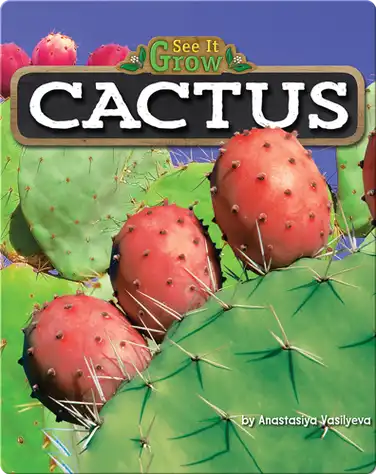
Consider the psychological draw. The desert is a blank slate, a tabula rasa where every decision feels consequential. A single prickly pear cactus can anchor an entire landscape, its pads unfurling like emerald banners against the ochre backdrop. Players revel in the act of creation, their fingertips dancing across controllers or keyboards as they sculpt terrain, plant flora, and orchestrate the ebb and flow of water. The cactus, in all its spiky glory, is more than a decorative element—it’s a testament to the player’s vision, a living sculpture that whispers, “I made this.”
Designing with Purpose: The Art of Cactus Placement
Building a desert paradise isn’t merely about scattering cacti haphazardly across the landscape. It’s an exercise in intentional design, where every placement serves a purpose—be it aesthetic, ecological, or strategic. The saguaro, with its towering arms, demands a central role, its presence dictating the flow of pathways and the positioning of smaller flora. Meanwhile, the barrel cactus, compact and unassuming, thrives in clusters, creating pockets of texture and contrast. Players must consider the interplay of light and shadow, the way sunlight caresses the ribs of a prickly pear or the way moonlight glints off the spines of a cholla.
But it’s not just about visual harmony. The placement of cacti can influence the game’s mechanics. In survival simulations, a well-positioned cactus might provide shade, reducing the player’s need for water or offering a respite from the scorching sun. In city-building games, cacti can serve as natural barriers, delineating districts or acting as windbreaks for fragile structures. The cactus becomes a tool, a living asset that enhances both form and function. Players who master the art of cactus placement don’t just create beautiful landscapes—they craft environments that are alive, responsive, and deeply immersive.
Ecological Storytelling: Crafting Narratives Through Flora
Every cactus in a simulation game tells a story. It’s a narrative of adaptation, of life persisting in the face of adversity. Players who embrace this storytelling potential transform their virtual deserts into living dioramas, each cactus a character in a larger ecological drama. The slow, deliberate growth of a barrel cactus over seasons can mirror the player’s own journey—patience rewarded, effort culminating in beauty. A cluster of golden barrel cacti might evoke the image of a desert bloom, a fleeting spectacle of color in an otherwise monochromatic landscape.
This ecological storytelling extends beyond the individual plant. Players can design entire food chains, introducing creatures that rely on cacti for sustenance—bees that pollinate their flowers, lizards that nest in their shade, or even larger herbivores that graze on their pads. The cactus becomes the linchpin of a dynamic ecosystem, a hub of activity that breathes life into the game world. In doing so, players don’t just build landscapes; they craft worlds with depth, history, and a sense of place. The desert is no longer a static backdrop—it’s a stage where stories unfold, and the cactus is the protagonist.
Challenges and Rewards: The Trials of Desert Domination
Of course, no paradise is built without struggle. The desert is a harsh mistress, and players who underestimate its demands often find their cacti withering under the relentless sun or succumbing to pests. Water management becomes a delicate dance—too little, and the ecosystem collapses; too much, and the soil turns to mud, suffocating roots. Players must learn the language of the desert: the signs of dehydration in a wilting ocotillo, the subtle shifts in soil moisture that dictate where a cactus will thrive. It’s a lesson in humility, a reminder that even in the digital realm, nature is a force to be reckoned with.
Yet, it’s precisely these challenges that make the rewards so sweet. There’s an unparalleled satisfaction in watching a once-barren plot of land transform into a lush desert garden, where cacti stand tall and proud, their spines glinting in the virtual sunlight. The first successful harvest of prickly pear fruit. The moment a player’s avatar takes shelter beneath the broad canopy of a saguaro, the desert’s heat replaced by a cool, shaded reprieve. These are the milestones that etch themselves into the player’s memory, the moments that make the struggle worthwhile. They’re not just achievements—they’re testaments to perseverance, creativity, and a deep, abiding love for the arid world.
Beyond the Sand: The Ripple Effect of Cactus Cultivation
The impact of a well-crafted desert paradise extends far beyond the confines of the game screen. Players who immerse themselves in the art of cactus cultivation often find themselves developing a newfound appreciation for real-world deserts and their inhabitants. The virtual experience fosters a sense of connection to these often-overlooked ecosystems, sparking curiosity about the delicate balance of life in arid regions. Some players take this curiosity further, researching native cacti species, learning about their adaptations, or even cultivating their own real-life succulents as a hobby.
Moreover, the principles of ecological design learned in simulation games can translate to real-world landscaping. Players who experiment with drought-resistant plants, water-efficient irrigation, and sustainable gardening practices in-game may find themselves applying these lessons to their own backyards. The cactus, once a mere pixelated ornament, becomes a bridge between the digital and the tangible, a symbol of how virtual experiences can inspire real-world change. In this way, the act of building a desert paradise in a simulation game is not just a pastime—it’s a catalyst for broader environmental awareness and stewardship.
A New Frontier: The Future of Cactus-Centric Simulations
As simulation games continue to evolve, so too does the potential for cactus-centric design. Imagine a game where players not only cultivate cacti but also engage in virtual ethnobotany, learning about the cultural significance of these plants in indigenous communities. Or a sandbox experience where players can terraform entire regions, turning barren wastelands into thriving deserts through careful water management and cactus propagation. The possibilities are as vast as the desert itself, limited only by the imagination of players and developers alike.
What’s certain is that the cactus will remain a cornerstone of these virtual worlds. Its resilience, its beauty, and its symbolic power make it an ideal muse for players seeking to create something extraordinary. Whether you’re a seasoned gardener in-game or a newcomer to the world of simulation games, there’s never been a better time to embrace the spiky allure of the cactus. So grab your virtual trowel, plot your course, and prepare to build a desert paradise that’s as unique as you are. The sun is high, the soil is dry, and the cacti are waiting.
FAQ
What is the significance of cacti in simulation games?
Cacti serve as symbols of resilience and creativity, allowing players to design thriving desert ecosystems while facing unique challenges.
How can players effectively place cacti in simulation games?
Effective cactus placement involves intentional design, considering aesthetics, mechanics, and the ecological role of each plant.
What challenges do players face when cultivating cacti in simulation games?
Players must manage water levels and deal with pests, learning to balance the needs of their virtual ecosystems.


Leave a Reply