
Short Answer
What if the most striking subject in your digital photography portfolio isn’t a person, a landscape, or even a majestic animal—but a humble cactus? At first glance, this spiky desert dweller might seem like an unlikely muse. Yet, when framed with intention, a cactus can transform into a visual symphony of texture, shadow, and symbolism. It challenges the photographer to see beyond the obvious, to embrace asymmetry, and to play with light in ways that defy convention. So, how do we capture the essence of these resilient plants in a way that feels both fresh and evocative? Let’s dig into the art of cactus photography—where every spine tells a story.
The Art of Framing: Embracing the Unconventional Canvas
Cacti are nature’s abstract artists. Their jagged silhouettes, bulbous forms, and rhythmic spines create a visual language that thrives on imperfection. To harness this, start by stepping away from the clichéd close-up shot. Instead, experiment with negative space. A lone cactus against a vast, sun-bleached sky isn’t just a plant—it’s a statement of solitude and endurance. Try shooting from a low angle, so the cactus looms like a sentinel, its shadows stretching dramatically across the ground. Or, for a more intimate feel, get up close and focus on the intricate patterns of its ribs or the delicate bloom of a single flower. The key is to treat the cactus not as a subject, but as a compositional anchor—a starting point for a visual journey that invites the viewer to linger.
Lighting: The Dance of Harsh and Soft
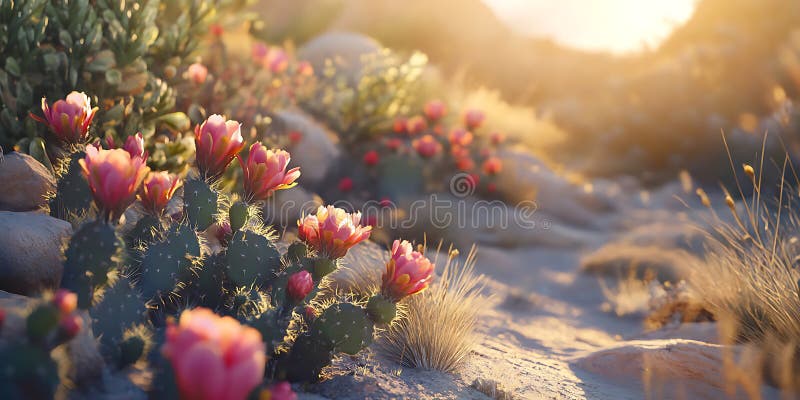
Cacti are sun-worshippers, but their relationship with light is complex. Direct midday sun can flatten their textures, turning spines into harsh, unflattering lines. Yet, the golden hour—the fleeting minutes after sunrise or before sunset—reveals their true character. During this time, light becomes a sculptor, carving out the cactus’s curves and casting long, dramatic shadows. For a more moody aesthetic, try backlighting. Position the sun behind the cactus, and watch as its translucent spines glow like stained glass. Alternatively, embrace the contrast of chiaroscuro—a technique borrowed from Renaissance painters—where deep shadows and bright highlights create a three-dimensional effect. The challenge? Timing. Cacti don’t wait for perfect light, so be prepared to adapt quickly or return at different times of day to capture their ever-changing moods.
Textures and Details: The Devil is in the Spines
Zoom in. Really zoom in. The surface of a cactus is a universe of micro-textures—wrinkled skin, tiny hairs, and razor-sharp spines that catch the light like fiber optics. To highlight these details, use a macro lens or the macro mode on your smartphone. Shoot at an oblique angle to emphasize the depth of each spine, or focus on the contrast between the rough exterior and the smooth, waxy bloom of a flower. For an extra layer of intrigue, experiment with focus stacking, a technique where multiple images at different focal points are merged to create a single, razor-sharp shot with incredible depth. The result? A cactus that feels tactile, almost touchable—even through a screen.
Poses and Perspectives: Breaking the Mold
Why should humans have all the fun with poses? Cacti, too, can strike a pose—if you know how to coax it out of them. Try tilting your camera slightly to create a dynamic diagonal line, or shoot from above to flatten the cactus into a graphic, almost two-dimensional shape. For a whimsical touch, arrange multiple cacti in a cluster, playing with their varying heights and shapes to create a visual rhythm. Or, if you’re feeling adventurous, suspend a cactus in mid-air (safely, of course) using fishing line or a thin wire, and capture it against a gradient sky. The challenge here is patience. Cacti don’t move on command, so be prepared to wait for the perfect moment—or to improvise when they don’t cooperate.
Color and Contrast: Painting with Palettes
A cactus isn’t just green. Depending on the species, it can be blue, purple, red, or even nearly black. Use this to your advantage. Pair a vibrant cactus with a muted background—a weathered wooden fence, a cracked concrete wall—to make it pop. Or, for a more subtle approach, seek out cacti with variegated patterns, where stripes or spots create a natural camouflage against their surroundings. To enhance colors further, shoot in RAW format and adjust the white balance in post-processing. A slightly cooler tone can emphasize the blue-green hues of a Echeveria, while a warmer palette might bring out the fiery reds of a Christmas cactus. The challenge? Avoid over-saturating. The goal isn’t to create a neon sign, but to let the cactus’s natural hues sing.
Symbolism and Storytelling: More Than Just a Plant
A cactus is more than a prickly ornament—it’s a symbol of resilience, adaptability, and quiet strength. Lean into this narrative. Frame a cactus against an urban backdrop—a graffiti-covered wall or a rusted metal gate—to juxtapose its natural endurance with the chaos of city life. Or, capture a cactus in a cracked pot, its roots breaking free, to symbolize growth despite adversity. For a touch of humor, place a tiny figurine—a toy dinosaur or a miniature house—next to the cactus, creating a surreal, storybook scene. The key is to give the viewer a reason to pause and wonder: What is this cactus trying to say?
Post-Processing: Polishing the Thorns
Even the most striking cactus photo can benefit from a little digital TLC. Start with basic adjustments: crop to remove distractions, straighten horizons, and tweak exposure to ensure the spines aren’t lost in shadow. Then, dive into the details. Use the dodge and burn tools to emphasize texture, or apply a subtle vignette to draw the eye toward the center. For a dreamy, ethereal look, try a soft glow effect—just don’t overdo it. The goal isn’t to erase the cactus’s character, but to amplify it. And remember: less is often more. A single, well-placed adjustment can elevate a photo from good to extraordinary.
The Final Challenge: Shoot a Cactus Every Day for a Week
Ready to test your skills? Commit to photographing a cactus—any cactus—every day for seven days. Each day, approach it with a new technique: try a different angle, experiment with lighting, or focus on a single spine. By the end of the week, you’ll have a portfolio that showcases not just the cactus’s beauty, but your growth as a photographer. The challenge isn’t just about technical skill; it’s about seeing the world through a new lens. And who knows? You might just discover that the most captivating subjects are the ones that, at first glance, seem the most ordinary.
FAQ
What is the best time to photograph cacti?
The golden hour, shortly after sunrise and before sunset, is ideal to capture the best light.
How can I highlight textures in cactus photography?
Using a macro lens or macro mode can help capture detailed textures.
What composition techniques work well for cactus shots?
Experimenting with negative space and different angles can create more dynamic compositions.






Leave a Reply