
Short Answer
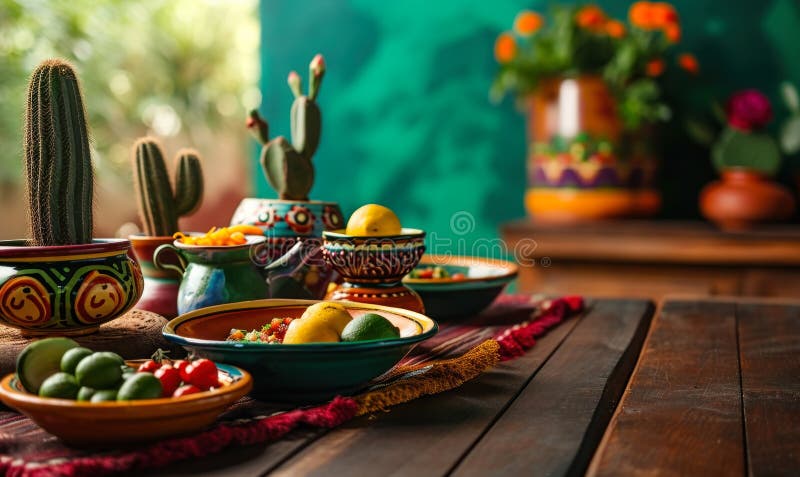
Have you ever pondered how a resilient desert dweller could transform into a beloved ingredient on the vibrant plates of Mexican cuisine? Cactus, with its spiny exterior and succulent heart, might seem an unlikely candidate for the culinary world. Yet, it plays a starring role, not only as a symbol of the arid landscapes of Mexico but as an essential ingredient bursting with unique textures and flavors. How does something so raw and prickly become a cherished culinary delight? Exploring the depths of this green marvel reveals an interplay of tradition, innovation, and gastronomic artistry that tantalizes the palate and honors centuries of heritage.
The Cultural Significance of Cactus in Mexican Gastronomy
The nopal cactus, often simply called nopal, is far more than a plant—it is a cultural icon deeply woven into Mexican identity. From ancient Aztec rituals to contemporary kitchens, this succulent has maintained its presence not just as food, but as a symbol of endurance and vitality. Cactus pads, or “nopales,” represent an unexpected connection between Mexico’s harsh desert climates and its rich culinary bounty.
Historically, the nopal was revered not only for sustenance but also for its medicinal properties, believed to aid digestion and regulate blood sugar. This dual role as both nourishment and healing agent amplifies its significance. Delving into Mexican gastronomy without acknowledging the cactus is like visiting a gallery without admiring the centerpiece—its presence is omnipresent yet often underappreciated outside Mexico.

Unveiling the Versatility: Forms and Preparations of Nopales
One might wonder, isn’t cactus tough and spiny—how can it be turned into something edible and appealing? The secret lies in meticulous preparation and understanding its versatile nature. Fresh cactus pads are carefully harvested, their tiny spines delicately removed. The green, fleshy paddles are then sliced into thin strips or diced, ready to be transformed in myriad ways.
Nopales can be eaten raw—tender, crisp, and slightly tangy—or cooked. When grilled, sautéed, boiled, or pickled, they develop a delightful mucilaginous texture that is both slippery and satisfying, reminiscent of okra but with a distinct herbal nuance. Cooks delight in this versatility, using nopales as a vegetable akin to green beans or asparagus, but with a signature earthiness that sets it apart.
Cactus in Iconic Traditional Dishes
From humble street food to elaborately prepared festive dishes, cactus makes frequent appearances in the Mexican culinary repertoire. Take the quintessential Nopales con Huevo, for example—a simple yet sumptuous scramble of eggs with sautéed cactus strips, onions, and tomatoes. It’s a breakfast staple that bursts with wholesome flavors and a satisfying texture.
Another beloved dish is the Ensalada de Nopales, a refreshing cactus salad mixed with tomatoes, onions, cilantro, and sometimes queso fresco. This salad is a vibrant mosaic of colors and tastes that encapsulate the fresh zest of Mexican cuisine. It’s a playful way to enjoy nopales raw or lightly cooked, preserving their crunchy integrity.
For heartier meals, cactus often enriches tacos and guacamole, lending them an unexpected juicy crunch. Its ability to absorb spices and complement chilies makes it an indispensable ingredient to balance fiery flavors.

Challenges and Triumphs: Working with Cactus in the Kitchen
Despite its noble status, cactus is not without its culinary challenges. The tiny spines pose a hazard if not properly removed, requiring skill and patience. Additionally, its mucilaginous texture can be off-putting to the uninitiated. This gooey, gel-like quality sometimes deters new tasters even before the first bite.
Curiously, this inherent slippery texture becomes a triumph in many preparations. When cooked with other ingredients, it acts as a natural thickener, enriching stews and sauces with subtle body. Successful cooks embrace these challenges, learning to accentuate the cactus’s unique properties rather than masking them.
The resilience of the cactus outside the kitchen echoes in its preparation—just as it thrives in harsh climates, it demands respect and attention from chefs who coax it into deliciousness. This duality imbues every dish with a story of perseverance and transformation, a theme deeply cherished in Mexican culinary tradition.
Modern Innovations with Traditional Cactus Ingredients
The culinary world is ever-evolving, but cactus remains steadfast as a bridge between tradition and modernity. Contemporary chefs experiment fearlessly, incorporating nopales into unexpected formats like smoothies, fermented delicacies, and even desserts. This innovative spirit honors the past while refreshing the present.
Bars craft cocktails featuring cactus juice, infusing drinks with a hint of vegetal brightness that complements smoky mezcal or tangy lime. Fusion restaurants weave nopales into international dishes—imagine a cactus-infused risotto or a cactus ceviche, highlighting the plant’s ability to adapt beyond its indigenous boundaries.
Yet, despite these novel approaches, one truth remains: the heart of cactus cuisine lies in its tradition. Modern innovation does not seek to overshadow the humble nopal but to celebrate its enduring presence in Mexican kitchens.

The Nutritional Powerhouse: Health Benefits of Nopales
Beyond flavor and cultural heritage, nopales are a nutritional goldmine, beloved not only for their taste but for their remarkably healthful properties. Rich in fiber, antioxidants, vitamins A and C, as well as essential minerals like calcium and magnesium, cactus pads provide a wholesome addition to any diet.
Scientific studies have highlighted their ability to help regulate blood sugar levels, aid in digestion, and support cardiovascular health. This aligns perfectly with traditional uses, where the nopal was consumed not solely for enjoyment but as a functional food promoting wellness. Incorporating cactus into daily meals adds a layer of conscious nourishment that resonates with today’s health-conscious consumers.
Embracing Cactus: A Culinary Adventure Worth Taking
So, can the humble cactus truly transform from a prickly desert plant into an irresistible culinary treasure? Absolutely. Its journey from thorny survivor to kitchen staple invites exploration, challenge, and celebration. To taste cactus is to taste resilience, to experience history and innovation mingling on the tongue.
For the adventurous foodie or the devoted connoisseur, cactus in Mexican cuisine offers a narrative as rich and textured as the dishes it graces. From its vibrant colors to its multifaceted flavors, it stands as a testament to Mexico’s culinary ingenuity and respect for nature’s gifts. Why not take a leap and savor this green marvel—your palate just might thank you.
FAQ
What is nopal cactus?
Nopal cactus, commonly known as nopales, is a type of cactus that is widely used in Mexican cuisine for its unique flavor and health benefits.
How is cactus prepared for cooking?
Cactus pads are harvested, spines removed, and can be eaten raw or cooked in various dishes, such as salads and tacos.

Leave a Reply