
Short Answer
The sun-baked expanse of Arizona is a living museum of botanical wonders, where the saguaro’s towering sentinels punctuate the horizon and hidden valleys cradle species found nowhere else on Earth. For those who seek not just scenery but a pilgrimage into the heart of the desert’s biodiversity, Arizona’s cactus trails offer an unparalleled journey—one that marries adventure with ecological revelation. Whether you’re a seasoned botanist, a weekend wanderer, or a curious soul drawn to the resilience of desert flora, these paths promise encounters with rare and radiant cacti that have thrived in silence for millennia.
The Saguaro’s Kingdom: Sonoran Desert’s Majestic Giants
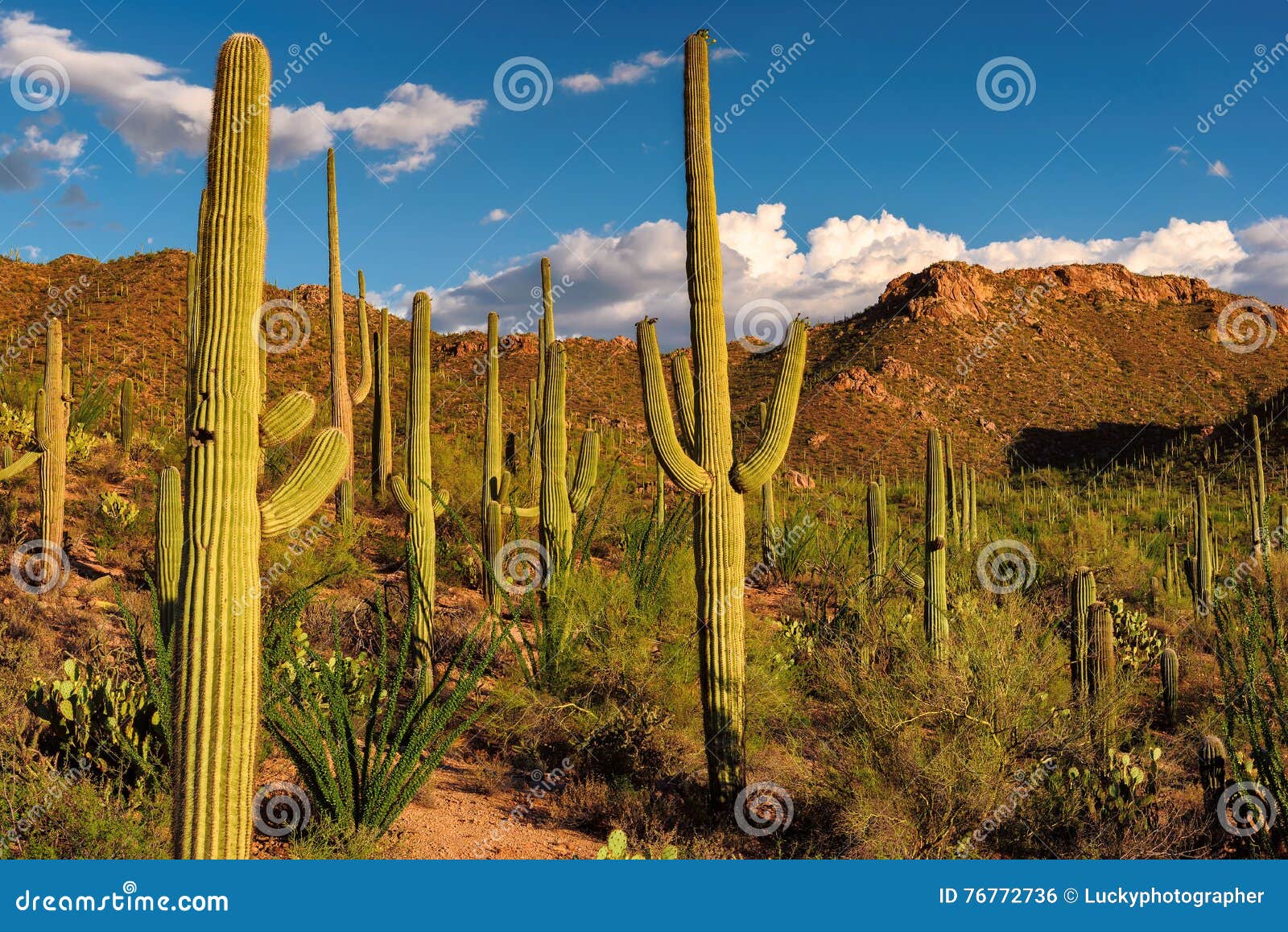
No cactus trail in Arizona is complete without bowing to the saguaro’s grandeur. These colossal columnar cacti, with their outstretched arms like ancient sentinels, dominate the Sonoran Desert’s lower elevations, particularly in Saguaro National Park. Here, the trails wind through forests of these botanical titans, their ribbed trunks etched with the scars of time and weather. The best time to witness their silent majesty is during the golden hours of dawn or dusk, when the light carves deep shadows into their flesh, transforming them into living sculptures.
But the saguaro is more than a mere backdrop—it’s an ecosystem unto itself. Woodpeckers excavate cavities in its trunk, creating homes for owls and flycatchers, while its fruit feeds coyotes, javelinas, and even humans in traditional harvests. Trails like the Cactus Forest Loop Drive offer paved accessibility for all, while the Signal Hill Trail rewards hikers with petroglyphs etched by ancient hands, a reminder that this desert has long been a canvas for human and nature alike.
Hidden Valleys and Cryptic Species: The Quest for the Uncommon
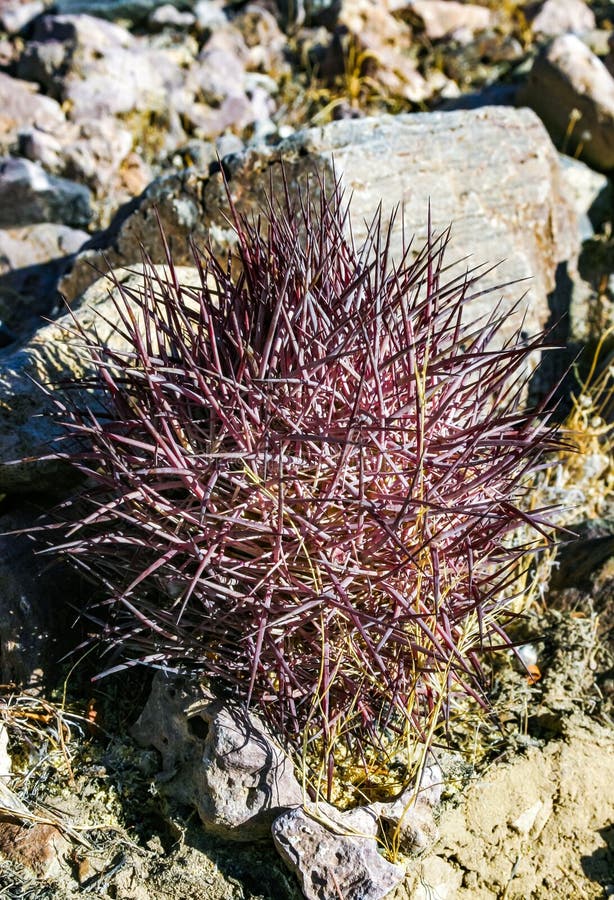
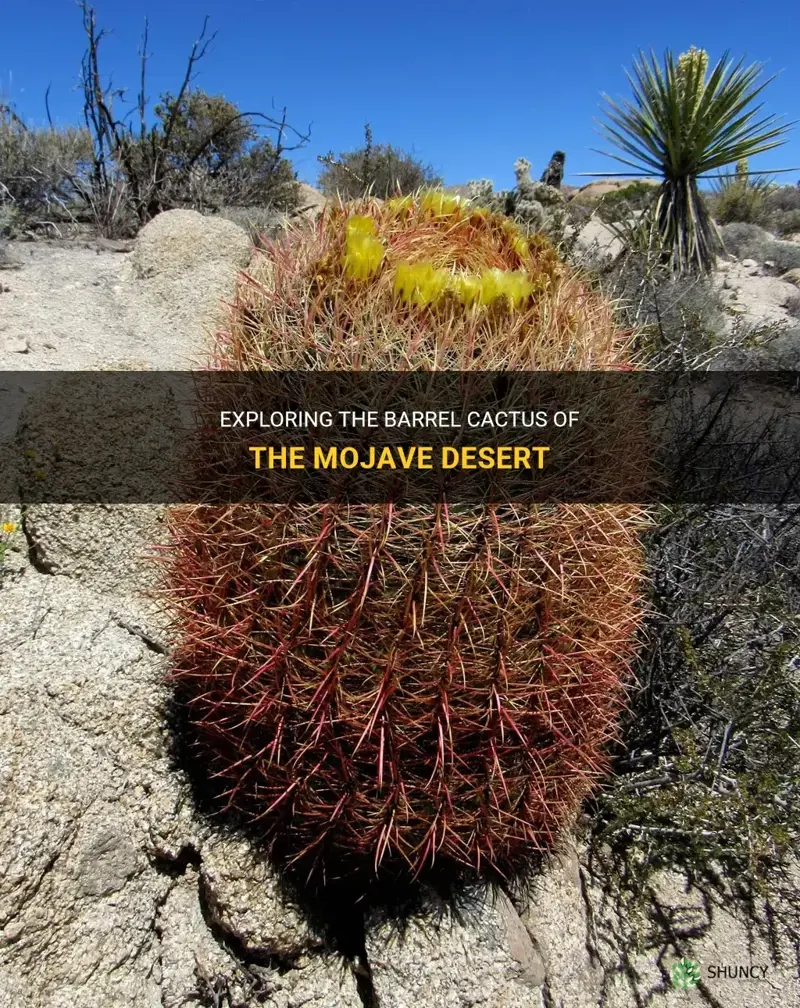
Arizona’s lesser-known trails are where the truly rare and reclusive cacti make their stand. Venture into the Kofa National Wildlife Refuge, where the rugged beauty of the Kofa Mountains cradles the elusive Ferocactus wislizeni, a barrel cactus with spines that shimmer like copper in the afternoon sun. This region is also home to the Echinocactus horizonthalonius, a pincushion cactus whose vibrant pink or purple flowers burst forth in spring, a fleeting spectacle that demands patience and timing.
The Organ Pipe Cactus National Monument is another sanctuary for the unconventional. Here, the namesake Stenocereus thurberi—a cactus so rare it’s nearly endemic to this corner of the world—stands like a sentinel from another planet. Its ribbed columns, segmented and surreal, bear fruit that local Indigenous communities have harvested for generations. Trails like the Ajo Mountain Drive offer a mix of scenic drives and moderate hikes, where every turn might reveal a new species hiding in plain sight.
Spring Ephemerals and the Fleeting Beauty of Bloom
If Arizona’s cacti are the desert’s enduring icons, its spring ephemerals are the fleeting jewels that punctuate the landscape with color and fragrance. The Prickly Pear and Cholla cacti explode into vibrant yellows, pinks, and purples from March to May, depending on elevation and rainfall. The Superstition Wilderness near Phoenix is a prime location to witness this spectacle, where the Opuntia engelmannii and Cylindropuntia fulgida (the infamous “jumping cholla”) create a kaleidoscope of hues.
For a more intimate encounter, the Tonto National Forest offers trails like the Hieroglyphic Trail, where the desert floor becomes a carpet of wildflowers beneath the watchful gaze of towering saguaros. The contrast between the spiny resilience of cacti and the delicate petals of their spring companions is a poignant reminder of nature’s paradox—beauty thrives even in the harshest of conditions.
Night Bloomers and the Desert’s Nocturnal Secrets
As the sun dips below the horizon, Arizona’s cacti awaken in a different kind of splendor. The Saguaro and Cardón cacti are among the few that bloom at night, their white flowers unfurling under the moonlight to attract nocturnal pollinators like bats and moths. The Usery Mountain Regional Park offers trails where you can experience this after-dark phenomenon, though timing is everything—these blooms are as ephemeral as they are enchanting, lasting only a single night.
For those willing to venture deeper, the Sonoran Desert National Monument provides a quieter, more remote experience. Here, the silence of the desert at night is broken only by the rustle of creosote bushes and the occasional call of a coyote. The Baboquivari Peak trail, though challenging, rewards hikers with panoramic views and the chance to witness cacti in their most mysterious form—bathed in starlight, their spines casting intricate shadows on the sand.
Ethnobotanical Trails: Where Culture Meets Cactus
Arizona’s cactus trails are not just ecological wonders; they are cultural lifelines. Indigenous communities, including the Tohono O’odham and the Hopi, have long relied on these plants for food, medicine, and shelter. The Tohono O’odham Nation offers guided tours where visitors can learn about the traditional uses of the Saguaro and Prickly Pear, from the harvesting of fruit to the crafting of baskets from cactus ribs.
The Havasupai Reservation in the Grand Canyon is another sacred site where cacti play a central role in the community’s way of life. Here, the Hedgehog Cactus and Barrel Cactus are not just plants but symbols of resilience and sustenance. Trails like the Havasu Falls Trail offer a glimpse into this living heritage, where every cactus tells a story older than the pyramids.
Photographic Havens: Capturing the Desert’s Quiet Drama
For photographers, Arizona’s cactus trails are a masterclass in composition and contrast. The White Tank Mountains Regional Park is a favorite for its dramatic rock formations and the Fishhook Barrel Cactus, whose hooked spines create surreal, almost alien textures. The Picacho Peak State Park, with its iconic saguaros framing the peak’s jagged silhouette, offers endless opportunities for golden-hour shots.
But the true magic lies in the details—the dewdrop clinging to a cholla spine at dawn, the intricate web of a spider nestled between the ribs of a barrel cactus, or the way the light filters through the translucent skin of a young saguaro. These trails are not just destinations; they are galleries where the desert itself is the artist.
Conservation and Responsible Exploration
With great beauty comes great responsibility. Arizona’s cacti are protected by law, and their habitats are fragile. Stick to marked trails to avoid trampling delicate soil crusts, which can take decades to recover. Never remove plants or disturb their habitats—even a single cactus can take a century to reach maturity. Carry out all trash, including biodegradable items like fruit peels, which can disrupt local wildlife.
Support local conservation efforts by visiting parks that reinvest in habitat restoration, such as the Desert Botanical Garden in Phoenix, which houses one of the world’s most diverse collections of desert plants. By treading lightly, you ensure that these trails remain vibrant for generations to come.
FAQ
What are the best cactus trails in Arizona?
Some of the best cactus trails include the Cactus Forest Loop Drive, Ajo Mountain Drive, and Hieroglyphic Trail.
When is the best time to see cactus blooms?
The best time to see cactus blooms in Arizona is from March to May, depending on elevation and rainfall.
What rare cactus species can be found in Arizona?
Rare species include the Ferocactus wislizeni and Stenocereus thurberi, among others.



Leave a Reply