
Short Answer
The Mojave Desert, a sprawling arid expanse in the southwestern United States, is a land of stark contrasts and resilient life. Amidst its sun-scorched dunes and rugged canyons, the cactus stands as a symbol of tenacity, blooming in defiance of the harsh conditions. Nevada, a state often associated with neon-lit cities and glittering casinos, harbors this desert’s secrets—where the prickly pear and other succulents thrive in silent majesty. For those who venture beyond the urban glitter, the Mojave offers a tapestry of natural wonders, where the cactus is not merely a plant but a storyteller of survival and adaptation.
The Prickly Pear’s Resilient Blossom: A Study in Adaptation
The Mojave’s prickly pear cactus, with its flat, paddle-like pads and vibrant blooms, is a masterclass in evolutionary ingenuity. Unlike their tropical counterparts, these cacti have evolved to endure Nevada’s scorching summers and bone-chilling winters. Their waxy epidermis minimizes water loss, while their shallow, widespread roots snatch moisture from the briefest desert rains. The flowers, a burst of pink or yellow, are not just a feast for the eyes but a lifeline for pollinators. Bees and hummingbirds, drawn by the cactus’s nectar, become unwitting allies in its reproduction. The prickly pear’s resilience is a testament to nature’s ability to thrive where others would wither—a metaphor that resonates deeply in a world grappling with climate change.
Yet, the prickly pear’s story is more than just survival; it is one of symbiosis. The cactus’s spines, often seen as mere defenses, also serve as microhabitats for insects and small reptiles. The pads, once shed, decompose into nutrient-rich mulch, nourishing the soil for future generations. In this way, the prickly pear is not an isolated entity but a keystone species, its presence shaping the desert ecosystem in subtle yet profound ways.
Blooming in Patches: The Mojave’s Floral Mosaic
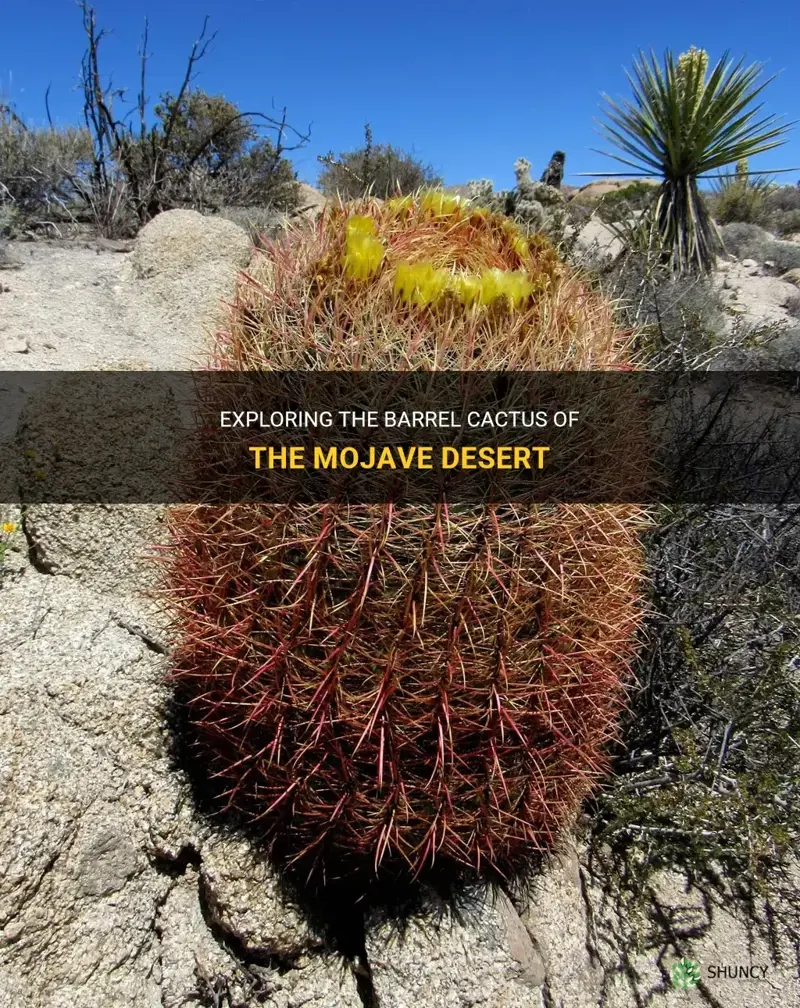
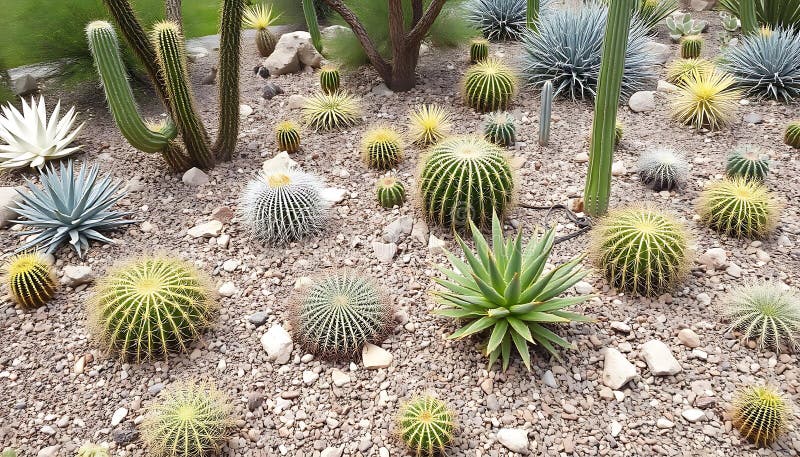
Beyond the prickly pear, the Mojave Desert unfurls a patchwork of blooming cacti, each species contributing to the landscape’s ephemeral beauty. The Mojave mound cactus, with its spherical form and delicate spines, dots the desert floor like scattered pearls. Meanwhile, the barrel cactus, a sentinel of the arid plains, stores water in its ribbed body, a living reservoir for desert wildlife. These cacti do not bloom all at once but in staggered bursts, their flowers unfolding in response to the desert’s unpredictable rainfall. This staggered blooming ensures that pollinators have a steady supply of nectar, a delicate balance that sustains the desert’s fragile food web.
The Mojave’s floral mosaic is not static; it shifts with the seasons. In spring, the desert erupts in a riot of color as wildflowers and cacti synchronize their blooming cycles. This phenomenon, known as a “superbloom,” is a rare spectacle that draws visitors from around the world. Yet, even in the absence of such dramatic displays, the Mojave’s cacti offer a quiet, enduring beauty—a reminder that life persists in the most inhospitable of places.
The Mojave’s cacti are not merely survivors; they are architects of an ecosystem, their presence shaping the land in ways both seen and unseen. Their blooms, though fleeting, are a celebration of life’s tenacity—a fleeting yet unforgettable spectacle in the desert’s vast, sun-drenched expanse.
Desert Sentinels: The Cultural and Ecological Significance of Cacti
To the Indigenous peoples of the Mojave, cacti were more than just plants; they were sources of sustenance, medicine, and cultural symbolism. The prickly pear’s fruit, or “tunas,” was a vital food source, rich in vitamins and sugars. The spines were fashioned into tools, and the cactus’s sap was used to treat wounds and ailments. These plants were woven into the fabric of Mojave life, their cycles dictating planting, harvesting, and ceremonial practices. Today, their legacy endures in the traditions and stories passed down through generations.
Ecologically, cacti are the Mojave’s unsung heroes. Their ability to store water makes them critical during droughts, providing sustenance for animals like the desert tortoise and the kangaroo rat. Their roots stabilize the soil, preventing erosion in an environment where every grain of sand is precious. Even their decaying remains enrich the soil, fostering new life in the most unlikely of places. In a world where deserts are expanding and water is becoming scarcer, the cactus’s adaptations offer lessons in sustainability and resilience.
Photographic Wonders: Capturing the Mojave’s Cacti
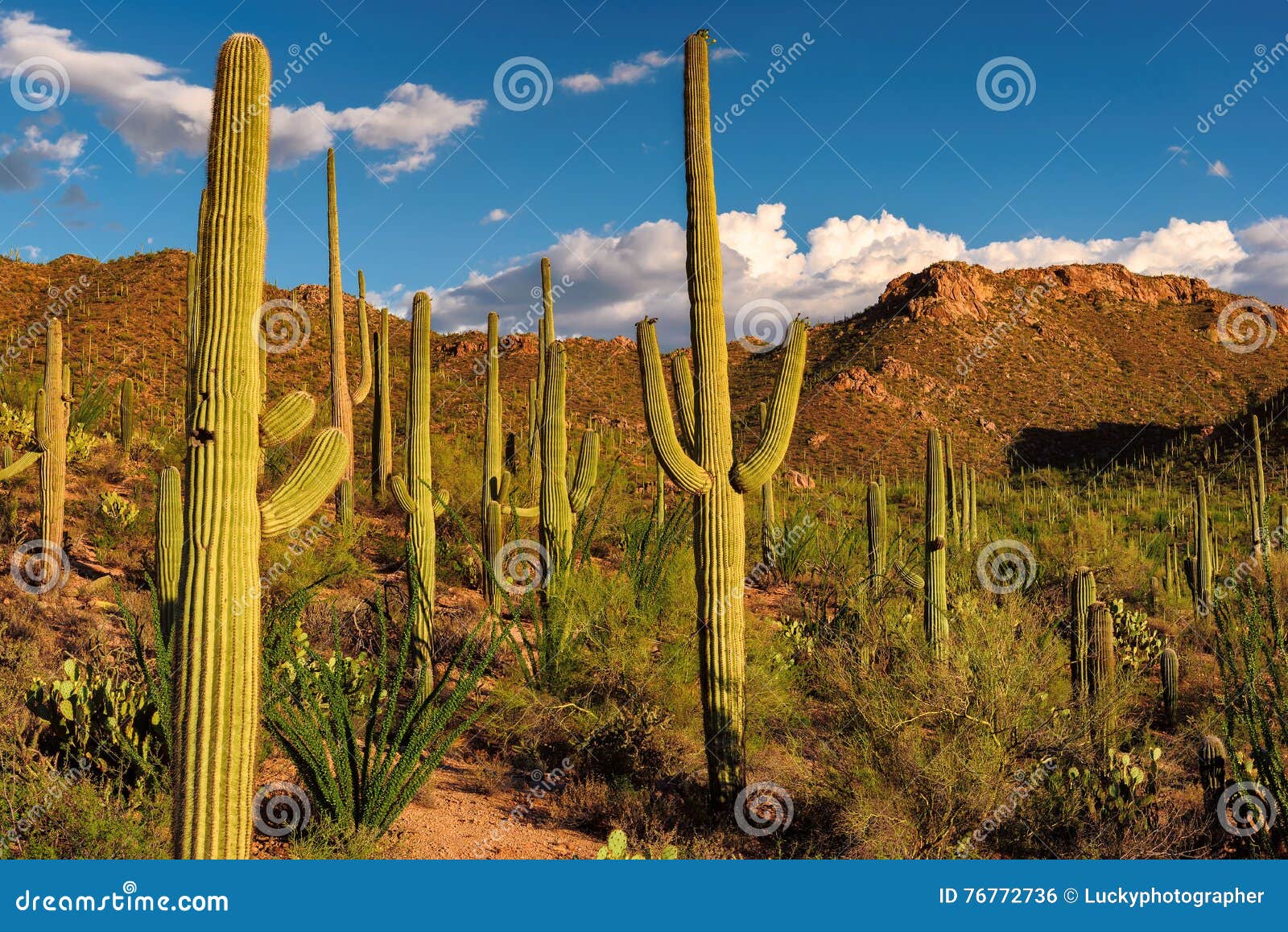
For photographers, the Mojave Desert is a canvas of endless possibilities. The interplay of light and shadow on the cacti’s spines creates a mesmerizing texture, while the vibrant blooms stand out against the muted tones of the desert. Macro photography reveals the intricate details of a cactus’s flower, its petals delicate as tissue paper. Meanwhile, wide-angle shots capture the vastness of the landscape, the cacti dotting the horizon like silent sentinels. The Mojave’s cacti are not just subjects; they are collaborators in the art of photography, their forms and colors inspiring creativity and wonder.
Yet, photographing these plants requires patience and respect. The desert’s harsh conditions demand that photographers tread lightly, minimizing their impact on the fragile ecosystem. The best images are those that not only showcase the cactus’s beauty but also convey its resilience and the harsh realities of its environment. In this way, photography becomes a tool for advocacy, raising awareness about the importance of preserving the Mojave’s unique flora.
Conservation in the Desert: Protecting the Mojave’s Cacti
The Mojave Desert is under threat from climate change, urban expansion, and invasive species. Rising temperatures and prolonged droughts stress cacti populations, while development encroaches on their habitats. Invasive plants, such as cheatgrass, outcompete native species, altering the desert’s delicate balance. Conservation efforts are underway to protect these vital plants, from habitat restoration to public education campaigns. Yet, the battle is far from over. The Mojave’s cacti, like so many other desert species, are on the front lines of climate change—a stark reminder of the urgent need for action.
For those who call the Mojave home, or for visitors who are drawn to its stark beauty, there are ways to make a difference. Supporting local conservation organizations, practicing Leave No Trace principles, and advocating for sustainable development are all steps toward preserving the desert’s cacti for future generations. The Mojave is not just a landscape; it is a living testament to the power of adaptation, a reminder that even in the harshest of environments, life finds a way.
The Mojave’s cacti are more than just plants; they are symbols of resilience, cultural heritage, and ecological balance. Their survival is a testament to nature’s ingenuity, a story that deserves to be told and protected.
A Journey Through Time: The Geological Story of the Mojave
The Mojave Desert’s cacti are not just survivors of the present; they are relics of a distant past. The region’s geological history stretches back millions of years, shaped by volcanic activity, shifting tectonic plates, and ancient seas. The cacti we see today are the descendants of plants that evolved in this dynamic environment, their adaptations honed over millennia. The Mojave’s red rock canyons, formed by erosion and tectonic forces, tell a story of a land that has been constantly reshaped. In this ancient landscape, the cactus stands as a living link to the past, a reminder of the enduring power of life.
Exploring the Mojave’s geological wonders offers a glimpse into the forces that have shaped not just the desert but the entire planet. From the towering cliffs of Red Rock Canyon to the otherworldly landscapes of Death Valley, the Mojave is a museum of natural history. And within this museum, the cactus is a curator, its presence a testament to the resilience of life in the face of adversity.
Conclusion: The Mojave’s Silent Symphony
The Mojave Desert is a place of contrasts—a land of extremes where life thrives against all odds. Its cacti, with their vibrant blooms and tenacious spirit, are a testament to the power of adaptation and the beauty of resilience. They are not just plants; they are storytellers, their spines and flowers weaving a narrative of survival that resonates far beyond the desert’s borders. For those who take the time to explore, the Mojave offers a symphony of sights, sounds, and sensations—a reminder that even in the harshest of environments, life finds a way to flourish.
So, the next time you find yourself in Nevada, venture beyond the neon lights and into the Mojave’s embrace. Walk among the cacti, listen to the whisper of the wind through their spines, and marvel at the silent strength of these desert sentinels. In their resilience, you may find a reflection of your own.
FAQ
What types of cacti are found in the Mojave Desert?
The Mojave Desert hosts various cacti, including the prickly pear, barrel cactus, and Mojave mound cactus, each adapted to survive in harsh conditions.
Why are cacti important to the Mojave ecosystem?
Cacti play a crucial role in the Mojave ecosystem by providing food and shelter for wildlife, stabilizing soil, and conserving water.
How can I help conserve cacti in the Mojave Desert?
Support local conservation efforts, practice Leave No Trace principles, and advocate for sustainable development to protect the Mojave’s cacti.

Leave a Reply