
Short Answer
In the arid expanse of our planet’s most unforgiving landscapes, where the sun’s relentless gaze parches the earth and rainfall is a distant memory, nature has whispered a secret through the spiny sentinels of the cactus family. These botanical marvels, draped in armor of thorns and clad in succulent flesh, are not merely survivors—they are architects of resilience, redefining the boundaries of what life can endure. Among them, the genus Opuntia stands as a beacon of hope, a living testament to nature’s ingenuity in the face of drought. What if we could unravel their secrets? What if these prickly pioneers held the key to a future where crops thrive in the face of climate chaos? The story of cacti as drought-resistant crops is not just a tale of survival—it’s a blueprint for revolutionizing agriculture itself.
The Silent Revolution: How Cacti Defy the Desert’s Cruelty
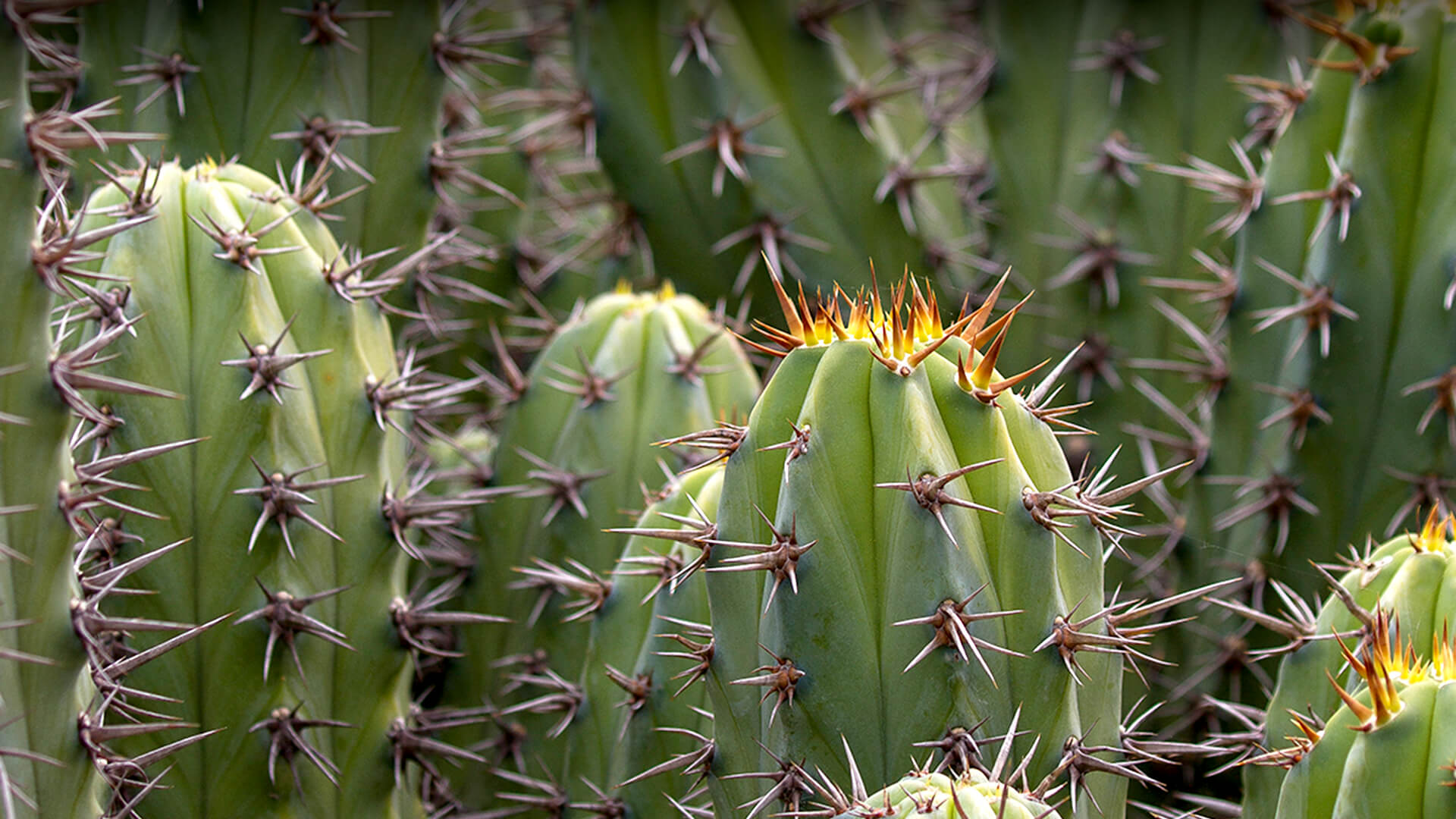
Picture the desert at noon: a furnace of heat, where the air shimmers like a mirage and the ground cracks underfoot. Most plants would wither, their leaves curling into dust. Yet, the cactus thrives. Its secret? A masterclass in physiological parsimony. Unlike their leafy counterparts, cacti have traded broad, evaporative surfaces for spines—modified leaves that minimize water loss while deterring predators. Their stems, swollen with water-storing parenchyma, act as living cisterns, capable of holding liters of moisture for months on end.
But the marvel doesn’t end there. Cacti have evolved a crassulacean acid metabolism (CAM), a photosynthetic pathway that flips the script on conventional botany. While most plants open their stomata—tiny pores for gas exchange—during the day, cacti do so at night, when temperatures plummet and humidity rises. This nocturnal gambit slashes water loss by up to 90%, allowing them to photosynthesize in silence, unseen by the scorching sun. It’s a strategy so elegant, it feels like nature’s own hack—a workaround to the very laws of survival.

From Thorns to Tables: The Edible Promise of Opuntia
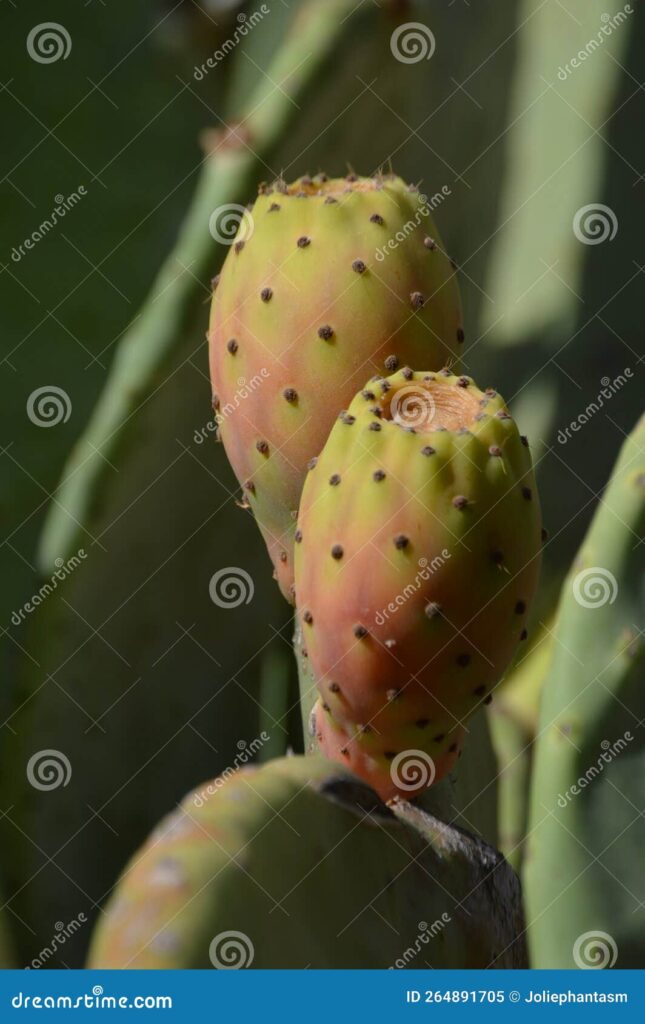
What if the same spines that ward off thirsty herbivores could also feed them? The genus Opuntia, with its paddle-shaped cladodes and ruby-red fruits, is a culinary chameleon, offering sustenance in forms both familiar and exotic. The pads, or nopales, are a staple in Mexican cuisine—sliced into salads, grilled into tacos, or blended into smoothies for their mucilaginous, slightly tangy flesh. Rich in fiber, vitamins A and C, and minerals like calcium and magnesium, they’re a nutritional powerhouse disguised as a desert oddity.
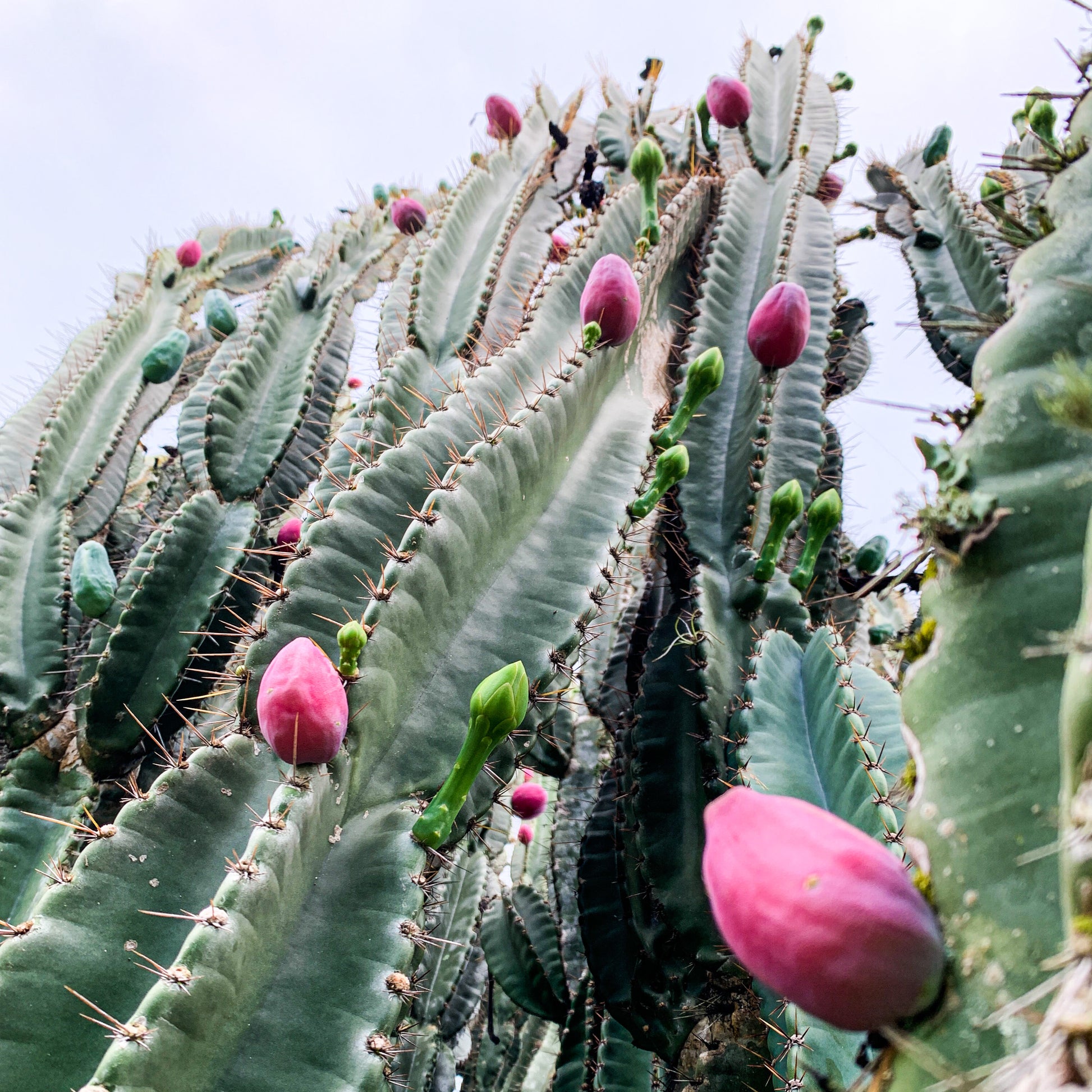
But the real showstopper is the fruit—the tunas of Opuntia, bursting with sweet, seedy pulp that tastes like a cross between watermelon and bubblegum. These fruits, harvested from wild and cultivated varieties alike, are not just a delicacy; they’re a lifeline. In regions where water is scarce, Opuntia orchards require a fraction of the irrigation needed for traditional crops. A single plant can yield hundreds of fruits annually, its resilience translating directly into food security. Imagine fields of these spiny giants, their fruits ripening under the same sun that once doomed lesser plants—a vision of abundance born from adversity.

The Agricultural Alchemy: Turning Cacti into Climate-Resilient Crops
The promise of cacti extends far beyond the plate. As climate change tightens its grip, turning once-fertile lands into dust bowls, the need for crops that can weather the storm has never been more urgent. Enter agroecological engineering, a discipline that looks to nature’s blueprints for solutions. Cacti, with their minimal water requirements and soil-enriching properties, are emerging as the poster children of this movement. When integrated into farming systems, they act as living mulches, their roots stabilizing soil and their canopies reducing evaporation. They’re the ultimate polyculture partners, coexisting with drought-tolerant grains like millet or amaranth without competing for resources.
But the innovation doesn’t stop at coexistence. Scientists are now exploring genetic introgression—the transfer of drought-resistance traits from cacti into mainstream crops. Imagine wheat that photosynthesizes like a cactus, or tomatoes that store water in their stems like a prickly pear. Early trials are promising. Researchers at institutions like the University of California, Davis, have already identified genes in Opuntia that could enhance water-use efficiency in other plants. The goal? A new generation of crops that don’t just tolerate drought—they thrive in it.
This isn’t just about survival; it’s about abundance. In the American Southwest, farmers are already cultivating Opuntia as a dual-purpose crop—harvesting both pads for food and biomass for biofuel. In sub-Saharan Africa, where erratic rainfall threatens staple crops, Opuntia hedges are being planted as living fences, their fruits supplementing diets while their spines deter livestock from encroaching on precious farmland. The message is clear: cacti are not just survivors. They are pioneers, leading the charge toward a more resilient agricultural paradigm.
The Cultural Tapestry: Cacti in Myth, Medicine, and Modernity
To understand the full scope of cacti’s potential, we must look beyond the field and into the heart of human culture. For millennia, indigenous communities from the Aztecs to the Native American tribes of the Southwest have revered cacti not just as food, but as sacred entities. The peyote cactus, Lophophora williamsii, was a spiritual conduit for the Huichol people, while the Opuntia was a symbol of endurance in the face of Spanish conquest. These plants are woven into the fabric of folklore, medicine, and identity—a testament to their multifaceted role in human civilization.
Modern science is now catching up to this ancient wisdom. Beyond their culinary uses, cacti are being studied for their medicinal properties. The mucilage from Opuntia pads, for instance, has shown promise in lowering cholesterol and reducing inflammation. Its extracts are being incorporated into skincare products for their hydrating and antioxidant effects. Even the spines, once dismissed as mere nuisances, are finding new life as biodegradable sutures or natural pesticides. The cactus, it seems, is a pharmacy disguised as a plant.
Yet, the most profound shift may be cultural. As climate change forces us to reconsider our relationship with the land, cacti offer a radical reimagining of what it means to farm. They challenge the notion that productivity must come at the cost of sustainability. They prove that resilience doesn’t require compromise—that in the spiny embrace of a desert plant, we might find the seeds of a greener future.
The Future in the Flesh: Scaling Up the Cactus Revolution
The path forward is not without its thorns. Scaling up cactus-based agriculture requires overcoming hurdles—from consumer skepticism to the need for specialized processing equipment. But the momentum is undeniable. Startups are emerging to commercialize Opuntia products, from nopales chips to cactus-based leather alternatives. Governments in drought-stricken regions are investing in research, while NGOs are promoting cactus cultivation as a tool for climate adaptation. The European Union, for instance, has funded projects to develop Opuntia varieties optimized for European climates, turning a Mexican staple into a continental solution.
Yet, the true revolution lies in mindset. We must shed the idea that drought-resistant crops are a fallback option—a last resort for the most barren lands. Instead, we should see them as the vanguard of a new agricultural era. Cacti teach us that scarcity can breed innovation, that adversity can spark creativity. They remind us that the solutions to our greatest challenges often lie not in the lab, but in the wild, waiting to be discovered.
So the next time you see a cactus standing defiantly in the desert, spare a thought for the quiet revolution it represents. It is not just a plant. It is a teacher, a provider, a harbinger of a future where the earth’s harshest places yield not just survival, but abundance. The lesson is clear: in the spiny heart of the cactus, we hold the future of farming—and perhaps, the future of our planet.
FAQ
What is the significance of Opuntia in agriculture?
Opuntia serves as a model for developing drought-resistant crops, offering both nutritional and ecological benefits.
How do cacti adapt to arid environments?
Cacti, including Opuntia, utilize specialized physiological adaptations such as CAM photosynthesis and water-storing stems to thrive in dry conditions.

Leave a Reply