
Short Answer
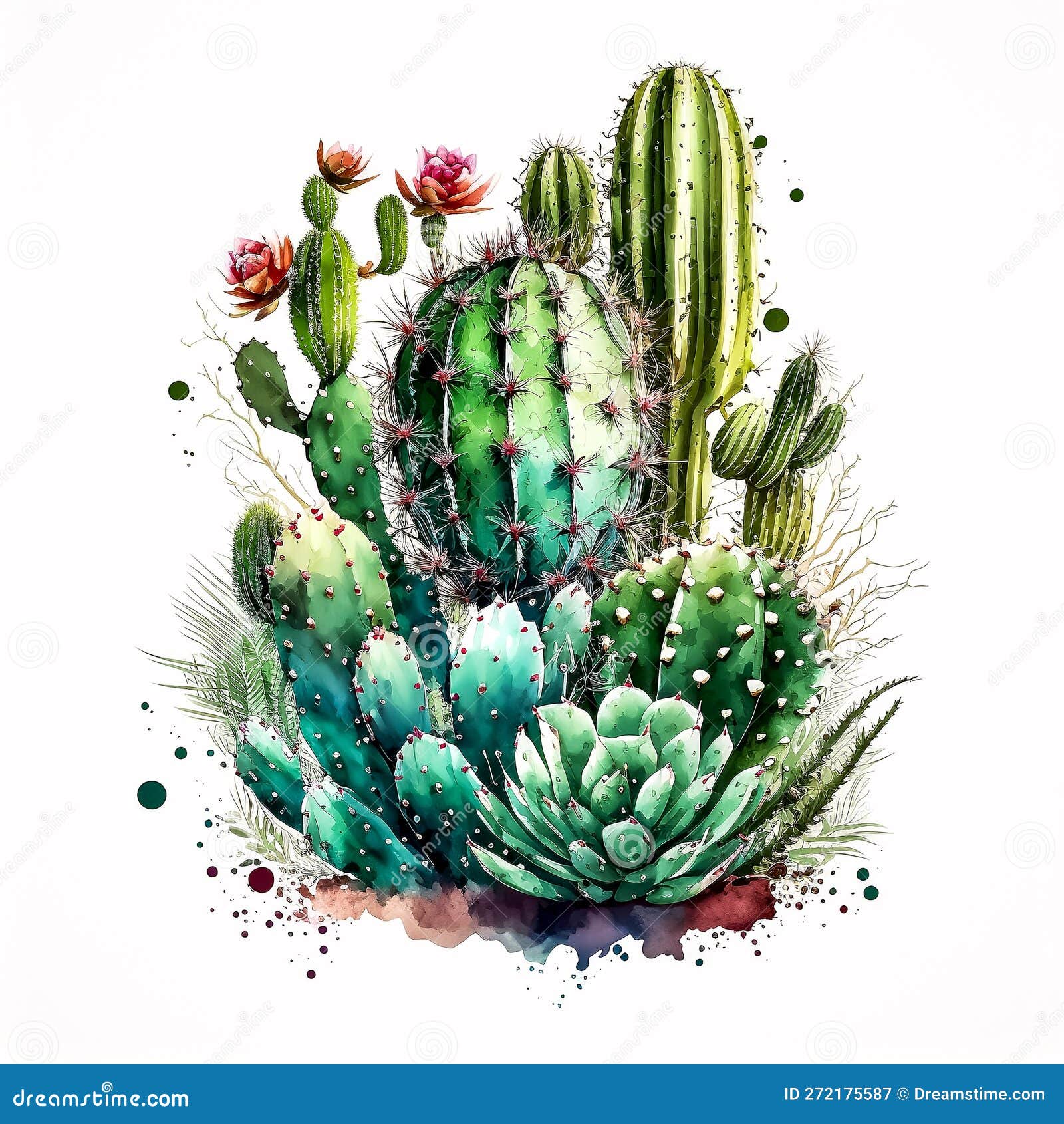
The cactus, a plant of paradoxical resilience and delicate beauty, stands as a towering emblem in Mexican culture—a silent storyteller whose spines whisper tales of survival, spirituality, and identity. More than a mere desert dweller, the cactus is a living metaphor, a botanical oracle whose every curve and thorn reflects the soul of a nation. From the sacred nopal of the Aztecs to the festive sarape motifs of modern celebrations, this succulent has woven itself into the fabric of Mexican life with an almost mystical tenacity. It is at once a guardian of arid landscapes and a symbol of cultural endurance, a plant that thrives where others wither, much like the people it represents. To understand Mexico is to understand the cactus—not just as flora, but as philosophy, art, and spirit.
The Sacred Spine: Cactus in Pre-Hispanic Cosmology
Long before the Spanish set foot on the Americas, the cactus held divine status in the pantheon of Mesoamerican deities. The Aztecs revered the nopal, a type of prickly pear cactus, as a bridge between earth and sky. According to myth, the god Huitzilopochtli instructed the Mexica people to settle where they found an eagle perched upon a cactus devouring a serpent—a vision that led them to the Valley of Mexico and the founding of Tenochtitlán. This cactus, then, was not merely a plant but a celestial compass, a living signpost of destiny. Its spines, sharp and unyielding, mirrored the warrior ethos of the Mexica, while its fruit, the tuna, symbolized sustenance and fertility. Even today, the cactus remains a sacred motif in Mexican art and architecture, a silent witness to the ancient covenant between land and spirit.
Resilience in Thorns: The Cactus as Metaphor for Survival
In a land where rain is a capricious guest and the sun a relentless overseer, the cactus thrives—not in spite of adversity, but because of it. Its thick, waxy skin conserves water like a miser hoarding gold; its roots sprawl shallow and wide, drinking in the scarce moisture of desert storms. This extraordinary adaptation has made the cactus a potent symbol of resilience, a living testament to the human capacity to endure. In Mexican folklore, the cactus often appears as a teacher of patience and perseverance. Stories abound of travelers lost in the desert who find salvation in the cactus’s fruit, a reminder that even in barrenness, nourishment can be found. The cactus does not beg for life—it claims it, carving a niche in the harshest of terrains. This defiance is not passive; it is a quiet revolution, a botanical manifesto of strength.
Fertility and Abundance: The Generous Bounty of the Prickly Pear
Beneath its forbidding exterior, the cactus cradles a secret treasure—the tuna, or prickly pear fruit, a jewel of ruby and gold that bursts with sweetness. In Mexican culture, this fruit is more than a delicacy; it is a symbol of abundance and cyclical renewal. Harvested in late summer, the tuna ripens under the scorching sun, its vibrant colors a stark contrast to the muted tones of the desert. The fruit is celebrated in festivals, pressed into juices, and transformed into jams, its seeds ground into flour. But its significance runs deeper. The tuna represents the duality of life—pleasure and pain, sweetness and spice, all contained within a single, spiky vessel. It is a reminder that joy often grows where struggle has taken root, a metaphor as old as the land itself.
Art and Identity: The Cactus in Visual and Textile Traditions
The cactus has long been a muse for Mexican artists, its silhouette etched into murals, embroidered onto rebozos, and stamped onto papel picado. In the hands of artisans, the cactus becomes a canvas for storytelling. The sarape, a vibrant woven blanket, often features cactus motifs, its bold patterns echoing the rugged beauty of the desert. Frida Kahlo, that icon of Mexican identity, frequently wove cacti into her surreal landscapes, using the plant as a symbol of her own indomitable spirit. Even in modern graphic design, the cactus appears as a shorthand for Mexican heritage—a visual shorthand that transcends language. Its form is instantly recognizable, a silhouette that evokes warmth, tradition, and unshakable pride. The cactus, in art, is not just depicted; it is celebrated, a living emblem of cultural pride.
Spiritual Guardians: Cactus in Ritual and Medicine
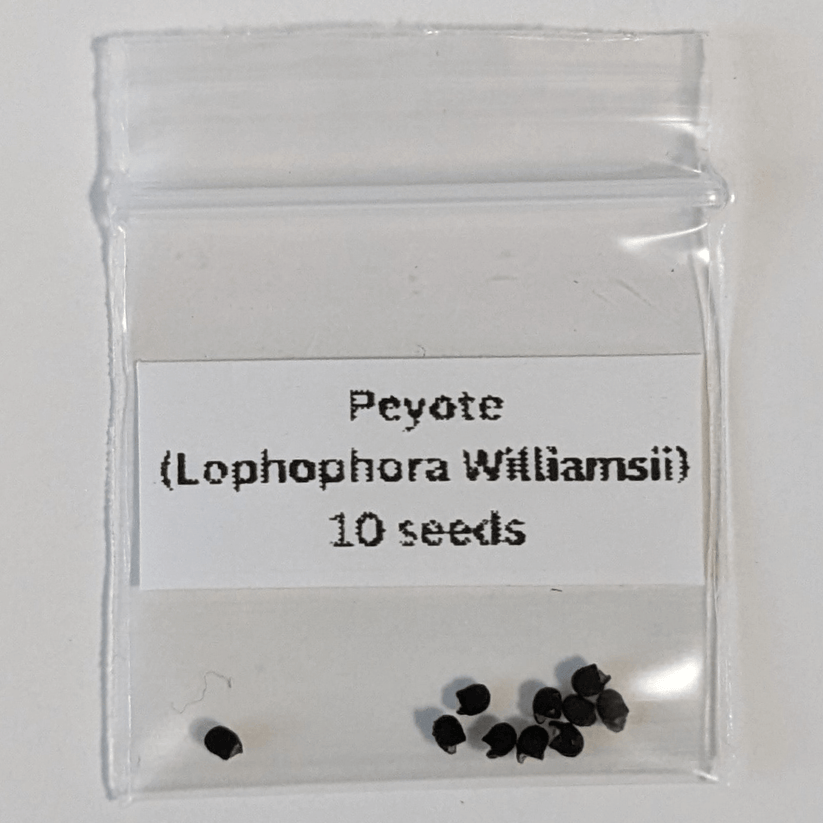
Beyond its aesthetic appeal, the cactus holds a sacred place in Mexican spiritual practices. Certain species, like the peyote cactus, have been used for centuries in indigenous rituals to induce visions and commune with the divine. Though its use is controversial and often misunderstood, peyote remains a potent symbol of indigenous knowledge and connection to the earth. Even the humble nopal plays a role in healing, its pads used in poultices to soothe burns and its sap applied to wounds. In this way, the cactus is both healer and oracle, a plant that nurtures the body while guiding the soul. Its presence in rituals underscores a deep ecological spirituality, one that sees the land not as a resource to be exploited, but as a sacred partner in existence.
Cultural Export: The Cactus as Ambassador of Mexican Heritage
From the sun-baked plains of Oaxaca to the bustling markets of Mexico City, the cactus has become an ambassador of Mexican culture, its image exported across borders as a symbol of authenticity and vibrancy. In the United States and beyond, the cactus adorns everything from tattoos to tequila bottles, its silhouette a shorthand for all things Mexican. Yet this global appeal comes with a risk—the cactus, reduced to a mere decorative motif, risks losing its deeper meanings. When a cactus becomes a trend, it is easy to forget the stories it carries, the struggles it embodies. Still, there is power in this ubiquity. The cactus, in its journey from sacred plant to pop culture icon, has become a bridge—a way for people around the world to connect with Mexican identity, even if only superficially. It is a reminder that symbols, like plants, can adapt, evolve, and find new life in unexpected soils.
The Cactus in the Modern Imagination: A Living Legacy
Today, the cactus continues to captivate, its image appearing in everything from high fashion to street art. Designers like Carla Fernández have reimagined traditional cactus motifs in contemporary textiles, while artists like Gabriel Orozco explore its geometric forms in sculpture. The cactus, once a humble desert dweller, now stands as a global icon—a plant that has transcended its origins to become a universal symbol of resilience, beauty, and identity. Yet its power lies not in its adaptability, but in its authenticity. The cactus does not change to please; it endures. And in that endurance, it teaches us something profound: that true strength is not found in bending to the wind, but in standing firm, roots deep, spines unbroken.
FAQ
What does the cactus symbolize in Mexican culture?
The cactus symbolizes resilience, survival, and a connection to spirituality.
Why is the nopal cactus significant?
The nopal cactus was revered by the Aztecs as a divine symbol and is associated with various myths.
How is the cactus used in modern culture?
The cactus is used in art, fashion, and as a symbol of Mexican heritage.



Leave a Reply