
Short Answer
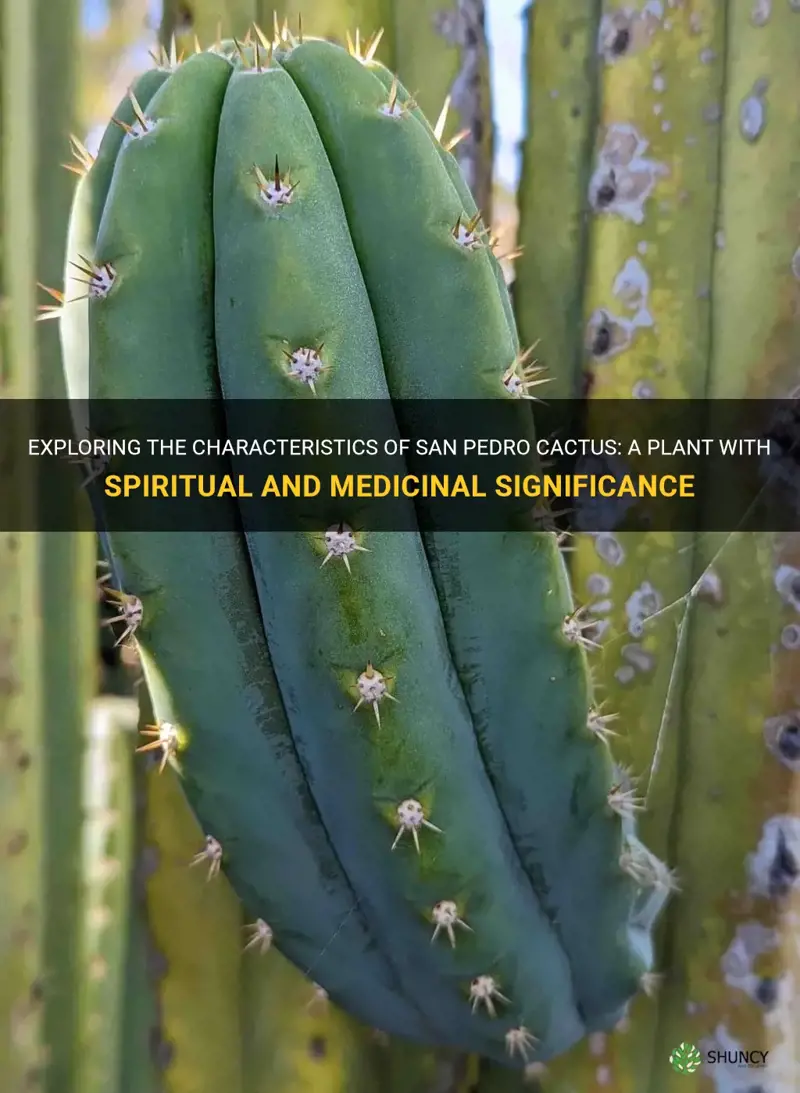
Imagine a small, spineless cactus standing defiantly in the arid landscapes of the American Southwest, its crown adorned with a crown of silvery-green buttons. This unassuming plant, Lophophora williamsii, known to the world as peyote, is not merely a botanical curiosity—it is a sacred sacrament, a bridge between the earthly and the divine, and a cornerstone of spiritual resilience for generations of Native American communities. But what happens when the sacred becomes controversial? What happens when the rituals that have sustained souls for centuries face the glare of modern skepticism or legal scrutiny? The story of peyote in Native American Church rituals is one of reverence, resistance, and the quiet defiance of a people who have safeguarded their traditions against all odds.
The Spiritual Anchor: Peyote as a Sacred Messenger
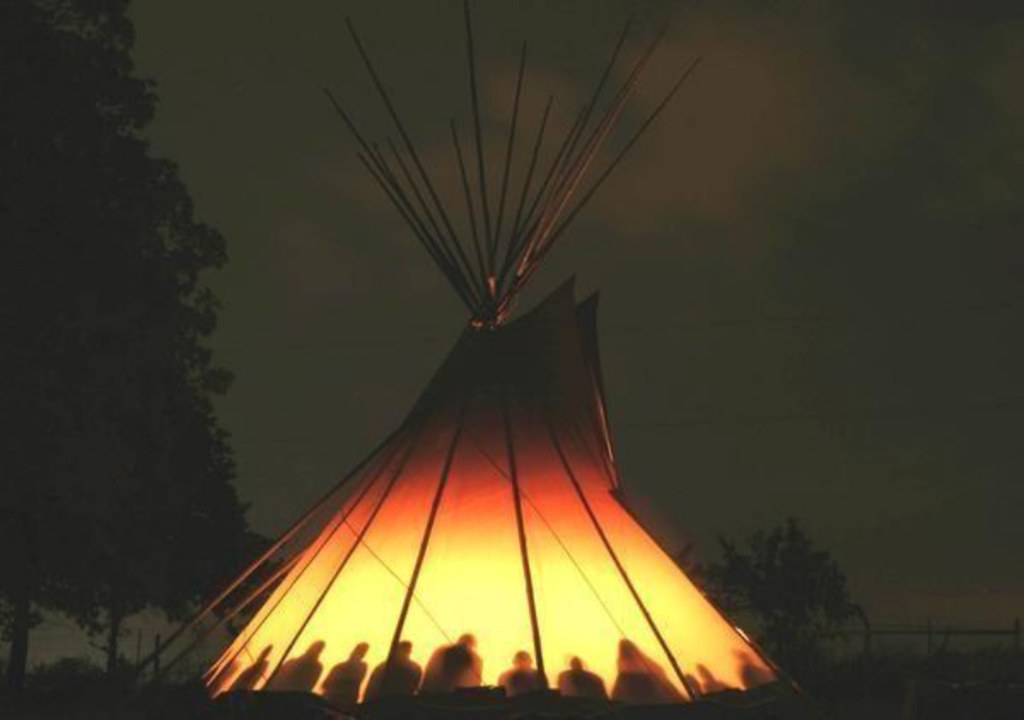
At the heart of the Native American Church’s rituals lies peyote, revered not as a mere plant but as a living entity imbued with the power to commune with the Great Spirit. In the dim glow of candlelight, as the night stretches long and the desert winds whisper through the mesas, peyote is ingested in a ceremony that is equal parts prayer and pilgrimage. The cactus, harvested with meticulous care, is sliced into buttons and consumed in a prescribed manner, its psychoactive alkaloids—primarily mescaline—ushering the participant into a realm where time dissolves and the boundaries between self and cosmos blur.
But this is no mere hallucinogenic escapade. The peyote experience is structured, intentional, and deeply communal. Songs rise in a haunting crescendo, drums pulse like the heartbeat of the earth, and the peyote’s visions are interpreted within the framework of ancestral wisdom. The cactus is not a drug; it is a teacher, a guide that reveals truths hidden in the folds of the soul. To partake is to enter a dialogue with the divine, where the Great Spirit speaks not in words but in symbols—snakes, eagles, ancestors—each carrying a message meant only for the seeker.
The Ritual Tapestry: How Peyote Weaves Community Together
The Native American Church’s peyote ceremonies are not solitary affairs; they are vibrant, collective acts of devotion that stitch together the fabric of community. The Roadman, the ceremonial leader, guides the ritual with the authority of a storyteller, his voice weaving through the night like a thread pulling the disparate voices of the congregation into harmony. The peyote is passed in a specific order, ensuring that each participant receives their share with reverence, their hands trembling not from fear but from the weight of the moment.
Here, the peyote is more than a sacrament—it is a social glue. It dissolves hierarchies, flattens egos, and reminds all present that they are but small fragments of a vast, interconnected whole. The ceremony becomes a microcosm of the universe itself: cyclical, sacred, and unbroken. Yet, this delicate balance is not without its fragility. What happens when the outside world, with its rigid laws and binary thinking, seeks to disrupt this harmony? The challenge is not just legal but existential—how does one protect a tradition that thrives in secrecy when the modern world demands transparency?
The Legal Labyrinth: Peyote Between Protection and Persecution
Peyote’s legal status in the United States is a patchwork quilt of contradictions. Federally recognized as a sacrament for members of the Native American Church, it exists in a liminal space where it is simultaneously protected and precarious. The 1994 American Indian Religious Freedom Act Amendment granted peyote use legal sanction, but this protection is not absolute. State laws vary wildly—some embrace the exemption, while others criminalize possession outright, leaving Native communities in a state of perpetual legal limbo.
This legal ambiguity is not just an administrative nuisance; it is a threat to the very survival of the tradition. Peyote’s natural habitat is under siege from environmental degradation, overharvesting, and the encroachment of industrial development. If the plant itself becomes scarce, what then? Will the rituals fade into memory, or will they adapt, as they always have, to the changing tides of history? The challenge is clear: how can a tradition that relies on a specific plant thrive when that plant is under threat? The answer may lie not in legal battles but in ecological stewardship—a return to the old ways of respecting the land that sustains the sacred.
The Cultural Crossroads: Peyote in the Age of Global Psychedelia
In recent years, peyote has emerged from the shadows of reservation life into the global spotlight, embraced by a new generation of seekers drawn to its mystical allure. Documentaries, podcasts, and social media have amplified its story, but with this visibility comes a dangerous romanticization. The peyote experience is often reduced to a Instagram-ready “trip,” stripped of its cultural context and reduced to a commodity. What happens when the sacred becomes trendy? When the cactus buttons are plucked from their spiritual soil and repackaged as a wellness trend?
This commodification is not merely an aesthetic concern—it is a form of cultural erasure. The Native American Church’s rituals are not a spectacle to be consumed; they are a lifeline, a source of healing, and a testament to resilience. When outsiders partake without understanding, without respect, without reciprocity, they risk turning a sacred tradition into a caricature. The challenge is twofold: how can the broader world honor the sanctity of peyote without appropriating it? And how can Native communities reclaim agency over their own spiritual heritage in an era where everything is for sale?
The Future of the Peyote Flame: Challenges and Hopes
The path forward for peyote is fraught with obstacles, but it is not without hope. Indigenous-led conservation efforts are gaining traction, with some tribes cultivating peyote in controlled environments to ensure its survival. Legal battles continue, with advocates pushing for stronger protections and clearer exemptions. And within the Native American Church, younger generations are stepping into leadership roles, ensuring that the rituals—and the stories they carry—are passed down with integrity.
Yet, the greatest challenge may be internal: the tension between preserving tradition and adapting to modernity. Can the rituals evolve without losing their essence? Can the peyote’s lessons—of humility, of interconnectedness, of reverence for the earth—find new audiences without being diluted? The answer lies not in rigid adherence to the past but in a dynamic, living tradition that can bend without breaking.
The peyote’s story is a reminder that the sacred is not static. It is a flame that must be tended, protected, and passed on—sometimes gently, sometimes fiercely. As the night deepens and the last echoes of the peyote songs fade into the desert air, one question lingers: Will the world ever truly understand the depth of what is being offered? Or will it, like so many other sacred things, be reduced to a shadow of its former self?
FAQ
What is peyote?
Peyote is a small, spineless cactus known scientifically as Lophophora williamsii, revered in Native American Church rituals for its psychoactive properties and spiritual significance.
Why is peyote considered sacred?
Peyote is viewed as a sacred sacrament in Native American traditions, serving as a conduit for communication with the Great Spirit during spiritual ceremonies.
What are the legal challenges surrounding peyote?
Peyote’s legal status varies across the U.S., being protected for Native American Church members but facing restrictions and criminalization in some states.


Leave a Reply