

Short Answer
In the vast, whispering deserts where the sun carves its name into the sand, cacti stand as sentinels of resilience, their spines reaching toward the heavens like outstretched fingers of ancient wisdom. These succulent guardians are not merely survivors of arid landscapes; they are vessels of the sacred, conduits of the divine, and silent witnesses to millennia of shamanic communion. From the towering saguaros of the Sonoran Desert to the diminutive yet potent peyote buttons of the Chihuahuan, cacti have woven themselves into the very fabric of shamanic tradition, their roles as both medicine and metaphor shaping spiritual practices across cultures. Their prickly exteriors belie a tender, transformative power—one that has captivated healers, mystics, and seekers alike, bridging the chasm between the earthly and the ethereal.
The Sacred Geometry of Cacti: A Living Mandala of Healing
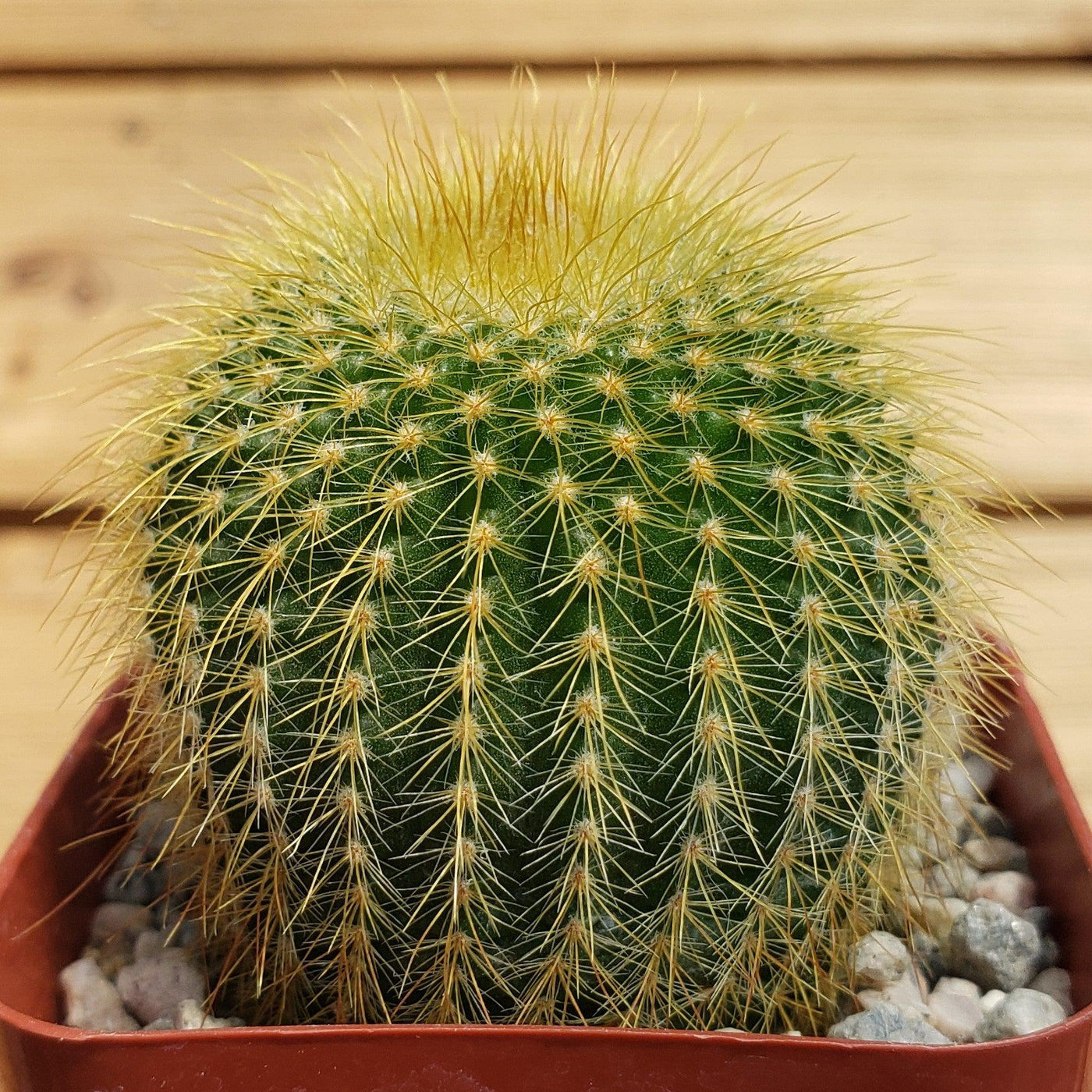
To gaze upon a cactus is to witness a masterclass in sacred geometry, where nature’s precision meets spiritual symbolism. The spiral patterns of a barrel cactus’s ribs, the radial symmetry of a prickly pear’s pads, and the fractal-like growth of a saguaro’s arms all echo the cyclical rhythms of life, death, and rebirth central to shamanic cosmology. These botanical marvels are not random; they are deliberate, their forms a visual hymn to the interconnectedness of all things. In shamanic practice, the cactus becomes a living mandala, a focal point for meditation and ritual, its spines a reminder of the protective yet penetrative nature of spiritual awakening. The act of ingesting a cactus—whether the mescaline-rich peyote or the visionary San Pedro—is not merely a consumption of a plant but an initiation into a dialogue with the divine, where the boundaries between self and cosmos dissolve into a kaleidoscope of insight.
Peyote: The Radiant Heart of the Huichol and Beyond
Few cacti hold as storied a legacy as *Lophophora williamsii*, the peyote, a small, spineless button that pulses with the heartbeat of the earth. For the Huichol people of Mexico, peyote is not a mere entheogen but a sacred relative, a *nierika*—a portal to the realm of the gods. Their pilgrimages to Wirikuta, the peyote’s mythical birthplace, are journeys of both physical endurance and spiritual revelation, where the cactus’s mescaline alkaloids dissolve the ego’s grip, allowing the soul to dance with the ancestors. Modern psychedelic therapy has rediscovered what indigenous traditions have known for centuries: peyote’s ability to unravel trauma, foster empathy, and illuminate the path to healing. Yet, this resurgence is not without contention. The commercialization of peyote threatens its sacred status, turning a plant of profound spiritual significance into a commodity. The challenge, then, is to honor its role as a teacher rather than a tool, to approach its gifts with reverence rather than exploitation.
San Pedro: The Staff of the Andes and the Vine of the Sun
Standing tall and columnar, *Echinopsis pachanoi*—the San Pedro cactus—is the vertical spine of Andean shamanism, its mescaline-rich flesh a conduit for the sun’s fiery wisdom. Unlike peyote’s intimate, button-like form, San Pedro is a towering presence, its ribbed columns stretching toward the heavens like the staff of a shamanic guide. In Peru and Ecuador, the cactus is known as *wachuma*, a Quechua term that translates to “the one who animates,” a name that speaks to its role as a life-force amplifier. Shamans consume San Pedro in ceremonial settings, where its effects unfold like a slow-burning sunset, illuminating the shadows of the psyche and revealing the interconnected threads of existence. Modern practitioners, too, have embraced San Pedro for its gentle yet profound ability to foster introspection and emotional release. Its appeal lies in its balance—neither overwhelming nor subdued, but a steady, guiding light on the path to self-discovery.
The Prickly Pear: A Symbol of Adaptation and Nourishment
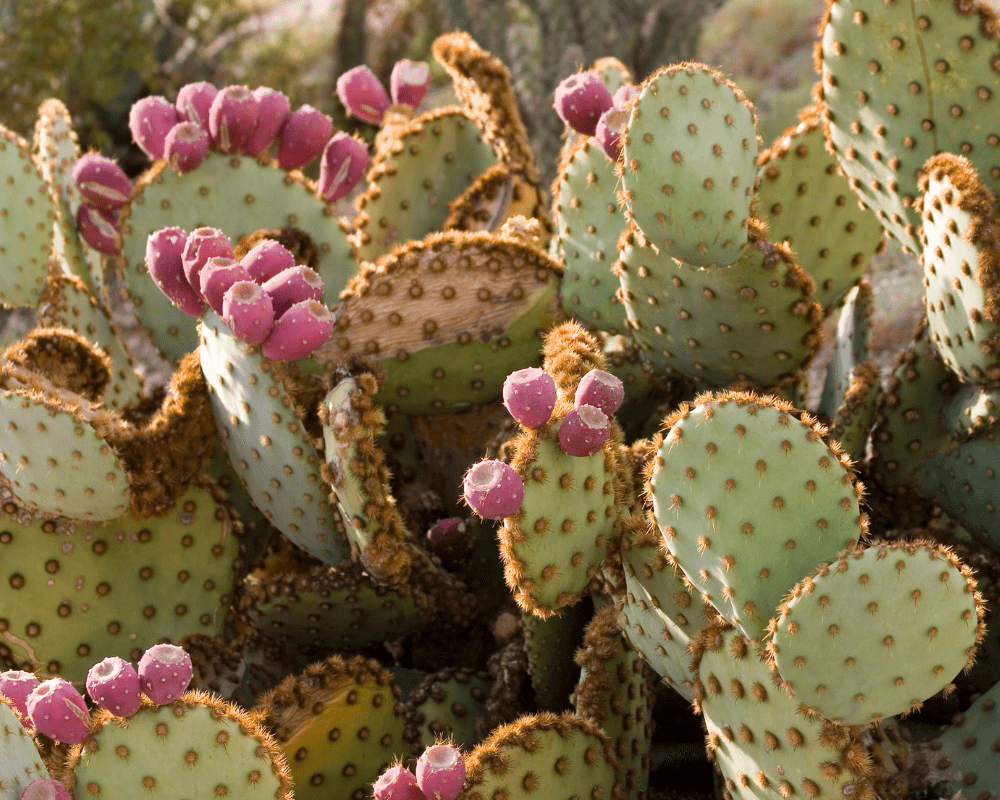
While peyote and San Pedro dominate the shamanic spotlight, the humble prickly pear (*Opuntia* spp.) offers its own quiet magic. Its pads, adorned with glochids that cling like stubborn memories, are a testament to resilience, thriving in conditions where few other plants dare to grow. In Mexican folk healing, the prickly pear is a panacea—a cure for inflammation, a balm for wounds, and a nourisher of the spirit. Shamans incorporate its essence into rituals as a symbol of endurance, its ability to store water and thrive in drought mirroring the human capacity to endure hardship. The fruit, or *tuna*, is a burst of sweetness in the desert, a reminder that even in barren landscapes, sustenance and joy can be found. In modern herbalism, prickly pear has gained recognition for its metabolic benefits, yet its shamanic roots run deeper, intertwined with the very essence of survival and adaptability.
Cacti in Modern Shamanism: A Bridge Between Ancestry and Innovation
The resurgence of interest in psychedelic shamanism has thrust cacti into the modern spotlight, where they serve as bridges between ancient traditions and contemporary healing. Retreats in Peru, Mexico, and the American Southwest offer participants the chance to commune with these botanical allies, their ceremonies a fusion of indigenous wisdom and modern therapeutic techniques. Yet, this fusion is not without tension. The appropriation of sacred plants by non-indigenous practitioners risks diluting their spiritual significance, reducing millennia of tradition to a mere “experience.” The key to ethical engagement lies in reciprocity—honoring the plants’ origins, compensating indigenous communities fairly, and approaching the experience with humility. Cacti, in their quiet dignity, demand nothing less than respect, their gifts not to be taken lightly but received with open hands and open hearts.
The Metaphorical Might of Cacti: Thorns, Flowers, and the Soul’s Resilience
Beyond their chemical and ceremonial roles, cacti are living metaphors for the human condition. Their spines, sharp and protective, symbolize the boundaries we erect to guard our vulnerabilities, while their vibrant blooms—a fleeting, ephemeral beauty—remind us of the resilience of the spirit. To work with cacti in shamanism is to confront these dualities: the necessity of protection and the inevitability of growth. The shaman’s journey, much like the cactus’s life cycle, is one of shedding and renewal, of embracing the thorns as part of the path to transcendence. In this light, cacti are not merely plants but teachers, their lessons etched into their very flesh—lessons of endurance, transformation, and the delicate balance between defense and openness.
The Future of Cacti in Shamanism: Guardians of the Sacred
As climate change threatens the habitats of these sacred plants and commercial interests encroach upon their sanctity, the future of cacti in shamanism hangs in a delicate balance. Conservation efforts, sustainable harvesting practices, and the amplification of indigenous voices are essential to ensuring that these botanical allies continue to guide future generations. The role of cacti in shamanism is far from static; it is a living, evolving dialogue between humanity and the natural world. Whether through the mesmerizing visions of peyote, the sunlit revelations of San Pedro, or the quiet strength of the prickly pear, these plants remind us that wisdom is not found in the absence of struggle but in the alchemy of enduring it. In their silent, steadfast presence, cacti beckon us to listen—to the earth, to the ancestors, and to the unspoken truths that lie within our own hearts.
FAQ
What role do cacti play in shamanism?
Cacti are used as sacred plants for healing and spiritual rituals, facilitating connections to the divine.
What are the main types of cacti used in shamanic practices?
The main types include Peyote (*Lophophora williamsii*), San Pedro (*Echinopsis pachanoi*), and Prickly Pear (*Opuntia spp.*).
How are cacti integrated into modern shamanism?
Cacti are integrated through retreats and therapeutic practices that blend traditional knowledge with contemporary healing methods.

Leave a Reply