
Short Answer
In the sun-baked landscapes of Mexico, where the earth cracks under the weight of time and the sky burns an unrelenting blue, the cactus stands not merely as a plant but as a living metaphor. Its spiny silhouette, a paradox of fragility and resilience, has woven itself into the very fabric of Mexican culture, becoming a symbol of endurance, mysticism, and unyielding spirit. From the sacred rituals of ancient civilizations to the vibrant celebrations of modern-day festivals, the cactus transcends its botanical existence to embody profound meanings. This deep dive unravels the intricate layers of cactus symbolism in Mexican culture, revealing why this prickly icon continues to captivate hearts and minds across generations.
The Cactus as a Sacred Emblem: Roots in Pre-Hispanic Beliefs
The story of the cactus in Mexican culture begins long before the arrival of Spanish conquistadors, in the cradle of Mesoamerican civilizations. For the Aztecs, the cactus was not just a plant—it was a divine messenger, a bridge between the earthly and the celestial. The most iconic of these beliefs revolves around the founding of Tenochtitlán, the Aztec capital. According to legend, the god Huitzilopochtli instructed the Aztecs to settle where they found an eagle perched atop a nopal cactus, devouring a serpent. This vision, etched into the heart of the Mexican flag today, transformed the cactus into a symbol of destiny and triumph.
The nopal cactus, with its fleshy pads and vibrant fruit, was revered as a source of sustenance and spiritual nourishment. Its ability to thrive in arid conditions mirrored the resilience of the Aztec people, who carved out a civilization in the harsh terrain of the Valley of Mexico. The cactus’s segmented structure also held symbolic weight, representing the cyclical nature of life, death, and rebirth—a theme deeply embedded in Aztec cosmology. Even the cactus’s sap, a milky-white substance, was imbued with medicinal and ritualistic significance, often used in purification ceremonies to cleanse the soul of impurities.
Resilience and Adaptation: The Cactus as a Metaphor for Survival
In a land where droughts are as common as the whispers of the wind, the cactus embodies the art of adaptation. Its thick, waxy skin minimizes water loss, while its spines serve a dual purpose: deterring predators and casting shadows that create microclimates of coolness. This tenacity has made the cactus a potent symbol of perseverance in Mexican culture, particularly among communities that have faced historical adversity. The cactus’s ability to store water in its succulent stems mirrors the resourcefulness of the Mexican people, who have turned barren landscapes into thriving agricultural hubs through ingenuity and sheer willpower.
This metaphor extends beyond mere survival; it speaks to the indomitable human spirit. The cactus does not ask for fertile soil or gentle rains—it demands nothing and gives everything. In Mexican folklore, it is often personified as a wise elder, offering shelter and sustenance to those who respect its boundaries. The cactus’s willingness to grow in the most inhospitable of terrains serves as a reminder that strength is not found in ease but in the ability to endure and adapt. This symbolism resonates deeply in a country where history is marked by both conquest and resilience, where the land itself seems to echo the struggles and triumphs of its people.
Mysticism and Healing: The Cactus in Traditional Medicine and Rituals
Beyond its role as a cultural icon, the cactus has long been a cornerstone of traditional Mexican medicine and spiritual practices. The peyote cactus, with its psychoactive properties, holds a sacred place in the rituals of indigenous groups such as the Huichol and Tarahumara. Consumed in carefully orchestrated ceremonies, peyote is believed to facilitate communion with the divine, offering visions that guide healers and shamans in their quest to restore balance to the community. The cactus’s hallucinogenic alkaloids, primarily mescaline, are not merely substances—they are sacraments, gateways to other realms where the boundaries between the physical and spiritual dissolve.
Even the more mundane cacti, like the nopal, have been harnessed for their healing properties. In Mexican folk medicine, nopal is celebrated for its ability to regulate blood sugar, soothe digestive ailments, and even aid in weight management. The cactus’s mucilaginous pads, when applied topically, are said to reduce inflammation and promote skin regeneration. This dual role—as both a mystical tool and a practical remedy—highlights the cactus’s multifaceted nature. It is a plant that bridges the gap between the seen and unseen, offering solace to the body and the soul alike.

The Cactus in Art and Folklore: A Canvas of Symbolism
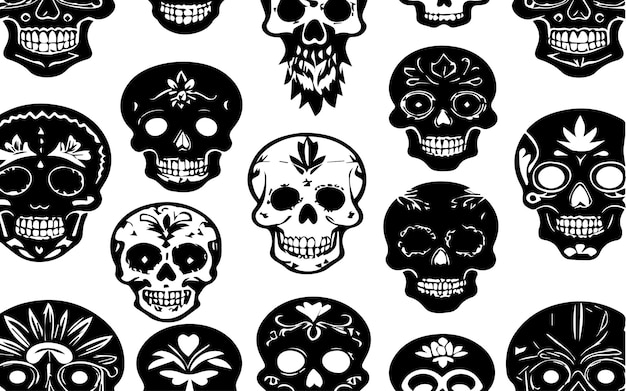
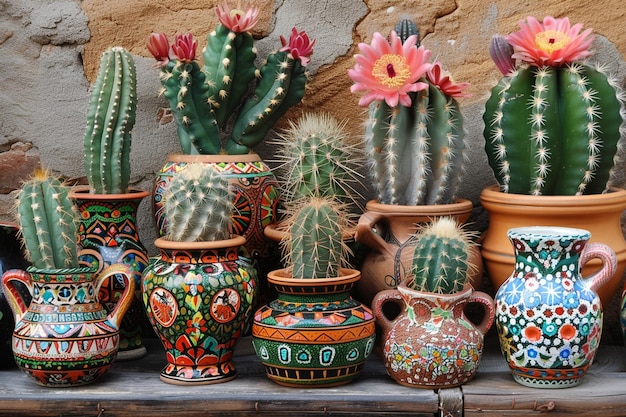
Mexican art and folklore are replete with cactus imagery, each depiction a layer of meaning waiting to be uncovered. In the vibrant murals of Diego Rivera and the intricate folk art of Oaxaca, the cactus often appears as a silent witness to history, its spines a metaphor for the struggles and triumphs of the Mexican people. The calavera, or skull, another iconic symbol, is frequently depicted alongside cacti in Day of the Dead celebrations, creating a visual dialogue between life and death. The cactus’s association with the afterlife stems from its ability to thrive in harsh conditions, much like the soul’s journey through the underworld.
Folklore abounds with tales of cacti that come to life under the moonlight, their spines transforming into weapons or their fruit into elixirs of immortality. In some stories, the cactus is a guardian, protecting sacred sites from intruders with its thorns. In others, it is a trickster, leading the unwary astray with its deceptive allure. These narratives reflect the cactus’s duality—both nurturing and dangerous, a plant that can heal or harm depending on how it is approached. This complexity is what makes the cactus such a compelling subject in Mexican art, where every brushstroke and every carved line tells a story of survival, mystery, and unyielding spirit.
Modern Celebrations: The Cactus in Festivals and Traditions
Today, the cactus remains a vibrant presence in Mexican festivals and traditions, a testament to its enduring cultural significance. During the Day of the Dead, cacti are often used as offerings on altars, their presence symbolizing the connection between the living and the dead. The fruit of the prickly pear, or tuna, is a staple in festive dishes, its sweetness a reminder of life’s fleeting joys. In rural communities, cacti are planted around homes as natural fences, their spines serving as a deterrent to intruders while also welcoming good fortune.
The cactus’s influence extends beyond traditional celebrations into modern Mexican identity. It is a recurring motif in literature, music, and even contemporary art, where it is reimagined as a symbol of national pride and cultural heritage. The cactus’s ability to adapt and thrive mirrors Mexico’s own journey—a country that has weathered storms and emerged stronger, its spirit as unyielding as the nopal standing tall against the desert sun.

The Cactus as a Global Ambassador: Exporting Symbolism Worldwide
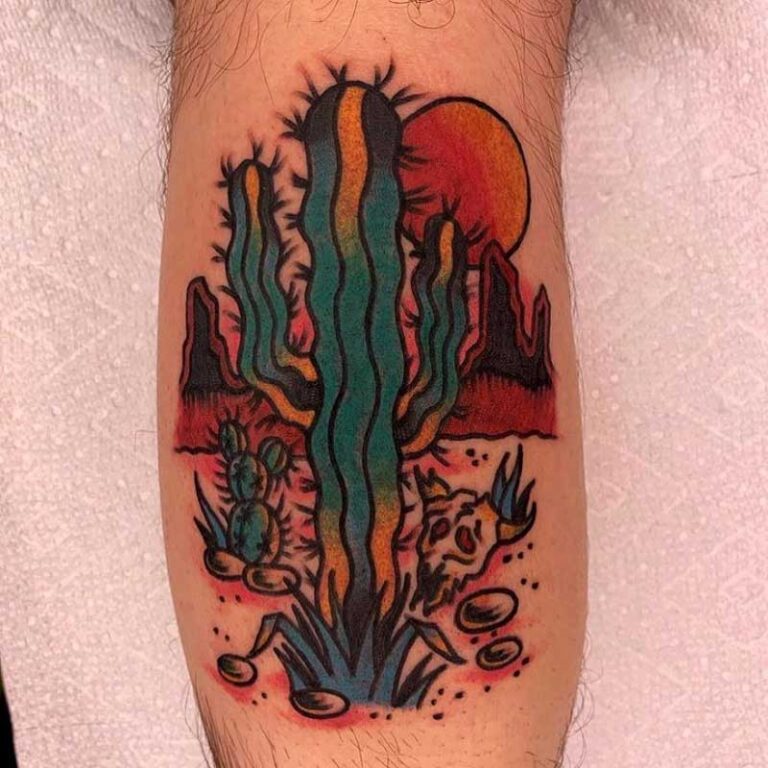
In an era of globalization, the cactus has transcended its Mexican roots to become a global ambassador of resilience and mysticism. Its image adorns everything from tattoos to fashion, its symbolism resonating with people far beyond the borders of Mexico. The cactus’s appeal lies in its universality—it is a plant that speaks to anyone who has ever faced adversity and emerged stronger. In Western cultures, the cactus is often associated with minimalism and self-sufficiency, a trend that aligns with the plant’s natural attributes. Yet, in Mexico, its symbolism is far richer, a tapestry of history, spirituality, and identity.
This global fascination with the cactus is a testament to its unique appeal. It is a plant that defies expectations, thriving where others would wither, offering sustenance where others would perish. Its symbolism is not static; it evolves with each generation, adapting to new contexts while retaining its core essence. Whether as a sacred emblem, a healing agent, or a modern icon, the cactus remains a powerful reminder of the human capacity for resilience and the beauty that can emerge from adversity.
Conclusion: The Cactus as a Living Legacy
The cactus is more than a plant—it is a living legacy, a symbol that has grown and transformed alongside the Mexican people. From the sacred visions of the Aztecs to the vibrant celebrations of today, the cactus has been a constant presence, its spines a reminder of the struggles endured and its fruit a promise of sustenance and hope. It is a plant that teaches us that strength is not found in softness but in the ability to endure, to adapt, and to thrive against all odds. In a world that often feels fractured and uncertain, the cactus stands as a beacon of resilience, its silhouette a silent yet powerful testament to the unyielding spirit of Mexico and its people.
FAQ
What does the cactus symbolize in Mexican culture?
The cactus symbolizes resilience, endurance, and mysticism, representing the spirit of the Mexican people.
How is the cactus used in traditional Mexican medicine?
Cacti, especially nopal and peyote, are used for their healing properties and spiritual significance in rituals.
What role does the cactus play in Mexican festivals?
Cacti are used as offerings in Day of the Dead celebrations and are integral to various cultural traditions.

Leave a Reply