
Short Answer
The clandestine world of cactus poaching is a shadowy underbelly of the botanical trade, where rare and exotic species are plucked from their native habitats with reckless abandon. Behind the delicate spines and vibrant blooms lies a brutal reality—one of ecological devastation, criminal syndicates, and cultural erasure. This isn’t just about plants; it’s about the silent suffering of ecosystems, the exploitation of indigenous knowledge, and the unchecked greed of collectors who treat living organisms as mere commodities. The statistics are staggering, the consequences dire, and the fight to protect these botanical treasures is more urgent than ever. What follows is a deep dive into the hidden world of cactus poaching, where every stolen succulent tells a story of loss—and every conservation effort holds the promise of redemption.
The Illicit Bloom: Understanding the Scale of Cactus Poaching
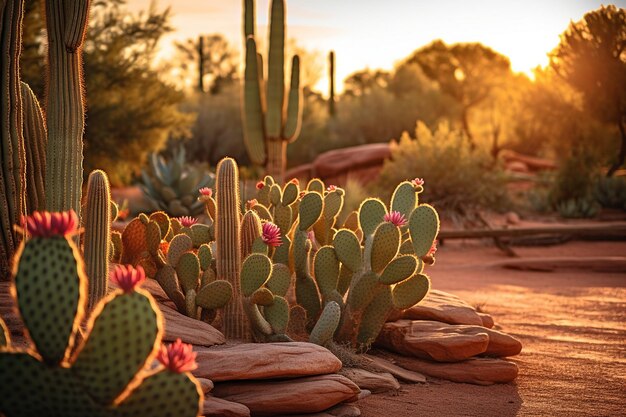
The black market for cacti is a multi-million-dollar industry, fueled by collectors, garden enthusiasts, and unscrupulous dealers who operate in the gray zones of legality. Unlike the poaching of charismatic megafauna, cactus trafficking thrives in obscurity, its victims often overlooked in favor of more photogenic endangered species. Yet the numbers are alarming: an estimated 15% of all cactus species are threatened by illegal trade, with some—like the Turbinicarpus and Aztekium genera—facing near-extinction in the wild. The demand for rare specimens, particularly those with unique morphologies or vibrant flowers, has created a perverse incentive where poachers can earn thousands for a single plant. This underground economy doesn’t just strip the deserts of Mexico and the Americas of their biodiversity; it disrupts the delicate balance of entire ecosystems, where cacti play a crucial role in water retention, soil stabilization, and as a food source for pollinators and herbivores.
From Desert to Display: The Journey of a Stolen Succulent
The path of an illegally harvested cactus is a treacherous one, beginning in the arid landscapes where it has evolved over millennia. Poachers, often armed and operating under the cover of night, uproot these plants with little regard for their survival. Many die in transit, their roots severed, their tissues desiccated by the harsh conditions of smuggling. Those that survive the journey are stripped of their natural habitat context, their ecological roles erased as they are repurposed as decorative objects in urban apartments or private collections. The journey doesn’t end there—these plants are often resold multiple times, their origins obfuscated by forged paperwork or mislabeled shipments. The irony is stark: a cactus that once thrived in the wild, playing a vital role in its ecosystem, ends up as a status symbol in a climate-controlled terrarium, its story of displacement and suffering buried beneath layers of human vanity.
The Human Cost: Exploitation in the Name of Ornamentation
Behind the glossy veneer of cactus cultivation lies a web of human exploitation. Indigenous communities, particularly in Mexico and the southwestern United States, have long cultivated cacti for both practical and ceremonial purposes. Their traditional knowledge—passed down through generations—has been co-opted by commercial interests, with local harvesters often receiving pittance wages for their labor while middlemen and international dealers reap the profits. The poaching trade also fuels violence, as armed gangs control smuggling routes, intimidating local farmers and park rangers who dare to intervene. Women, who play a crucial role in seed propagation and sustainable harvesting, are disproportionately affected, their contributions undervalued in a market that prioritizes rapid, large-scale extraction over ethical cultivation. The human cost of cactus poaching is a reminder that environmental crime is never just about the environment—it’s about the people who depend on it, and the systems that exploit them.
Legal Loopholes and the Failure of Regulation
The global trade in cacti is governed by a patchwork of regulations, many of which are woefully inadequate. The Convention on International Trade in Endangered Species (CITES) lists certain cactus species under Appendix I or II, banning or restricting their trade, but enforcement is inconsistent at best. Many countries lack the resources or political will to crack down on illegal trafficking, and online marketplaces—where cacti are sold under the guise of “rare plants”—operate in a legal gray area. Dealers exploit loopholes by mislabeling species or claiming that plants were propagated in captivity, even when they were wild-harvested. The result is a system that prioritizes profit over preservation, where the burden of proof falls on conservationists rather than the perpetrators of ecological destruction. Without stricter international cooperation, transparent supply chains, and harsher penalties for violators, the black market for cacti will continue to flourish.
Cultural Erasure: The Loss of Indigenous Knowledge
Cacti are more than just plants—they are living archives of cultural heritage. Indigenous communities across the Americas have relied on these succulents for food, medicine, and spiritual practices for centuries. The peyote cactus, for example, holds sacred significance in many Native American traditions, its ceremonial use protected by law in some regions. Yet as poaching decimates wild populations, this cultural knowledge is at risk of disappearing. Younger generations, disconnected from the land and its traditions, may never learn the names, uses, or stories of the cacti that sustained their ancestors. The theft of these plants isn’t just an ecological crime; it’s an act of cultural violence, erasing the deep connections between people and the land they inhabit. Conservation efforts must therefore center indigenous voices, ensuring that preservation is not just about saving species, but also about honoring the wisdom of those who have stewarded these lands for generations.
Conservation in Action: Hope for the Spiny Survivors
Despite the grim realities of cactus poaching, there is cause for optimism. Conservationists, botanical gardens, and indigenous-led initiatives are fighting back with innovative strategies. Seed banks and tissue culture labs are preserving genetic diversity, ensuring that even the rarest species can be reintroduced into the wild. Community-based monitoring programs empower local residents to protect their natural heritage, while education campaigns raise awareness about the ethical implications of buying wild-harvested cacti. Some countries have begun cracking down on illegal trade, seizing shipments and prosecuting traffickers. Even the market itself is shifting, with a growing demand for ethically sourced, nursery-grown plants. The battle to save cacti is far from over, but these efforts prove that where there is greed, there is also resistance—and where there is exploitation, there is also resilience.
The Ripple Effect: Why Cactus Conservation Matters for the Planet
The fate of cacti is inextricably linked to the health of the planet. These resilient plants are keystone species in desert ecosystems, providing shelter for insects, birds, and small mammals. Their deep roots prevent soil erosion, their flowers support pollinators, and their water-storing tissues mitigate the impacts of drought. When cacti disappear, entire food webs unravel, and deserts become even more vulnerable to the ravages of climate change. Moreover, the loss of biodiversity weakens ecosystems’ ability to adapt to environmental stressors, making them less resilient in the face of global warming. Protecting cacti isn’t just about preserving pretty plants—it’s about safeguarding the future of arid landscapes and the countless species that depend on them. In a world where every organism plays a role, the extinction of a single cactus species can send shockwaves through an entire ecosystem.
The fight against cactus poaching is a fight for the soul of our planet—a reminder that nature is not a commodity to be bought, sold, or discarded, but a living, breathing web of interconnected life. The statistics are sobering, but they are not a death sentence. They are a call to action, a challenge to rethink our relationship with the natural world. Whether through supporting conservation initiatives, advocating for stronger laws, or simply choosing ethically sourced plants, each of us has a role to play in this battle. The spiny survivors of the deserts are counting on us. Will we answer their call?
FAQ
What is cactus poaching?
Cactus poaching refers to the illegal harvesting and trade of cacti from their natural habitats, often driven by demand for rare species.
Why is cactus conservation important?
Cactus conservation is crucial for maintaining biodiversity, protecting ecosystems, and preserving cultural heritage linked to these plants.
FAQ
What is cactus poaching?
Cactus poaching refers to the illegal harvesting and trade of cacti, often leading to significant ecological damage and the endangerment of various species.
What are the main impacts of cactus poaching?
Cactus poaching disrupts ecosystems, threatens biodiversity, and exploits indigenous communities who rely on these plants.
How can cactus conservation efforts help?
Conservation efforts aim to protect native habitats, promote ethical sourcing, and preserve traditional knowledge related to cacti.

Leave a Reply