
Short Answer
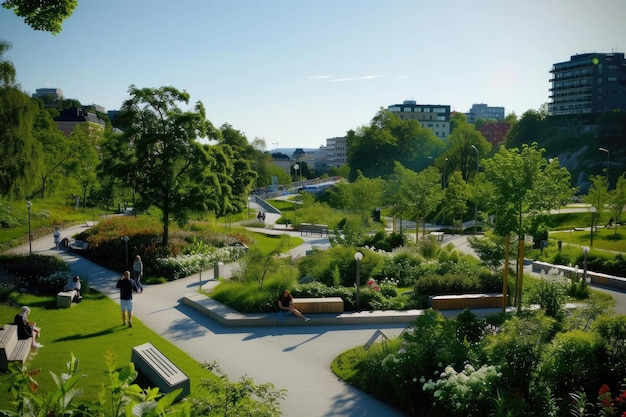
Public parks are more than just green spaces—they are living canvases where nature and human ingenuity converge to create environments that inspire, rejuvenate, and endure. Among the myriad choices for park design, the humble cactus stands out as a symbol of resilience, beauty, and ecological harmony. Far from being mere desert dwellers, these succulent sentinels can transform urban landscapes into thriving ecosystems that celebrate sustainability without sacrificing aesthetic allure. Whether you’re a landscape architect, a gardening enthusiast, or a city planner, integrating cacti into public parks offers a myriad of possibilities that blend form and function in unexpected ways.
The Aesthetic Versatility of Cacti in Landscape Design
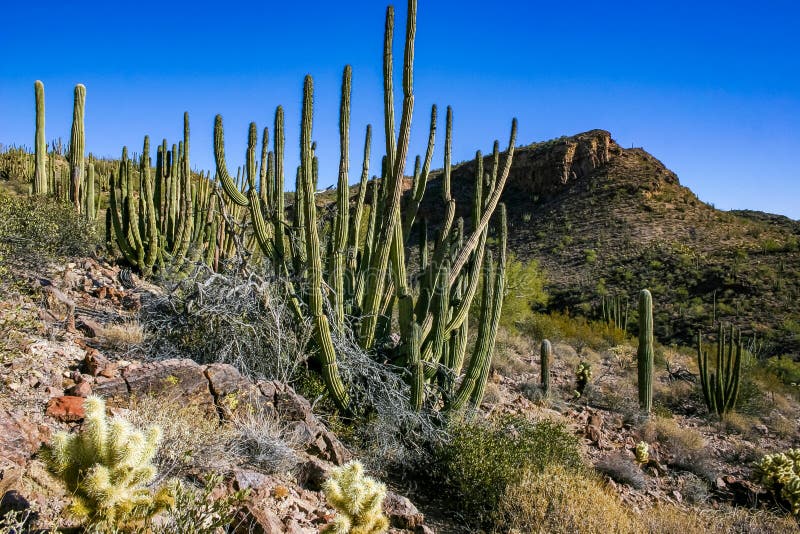
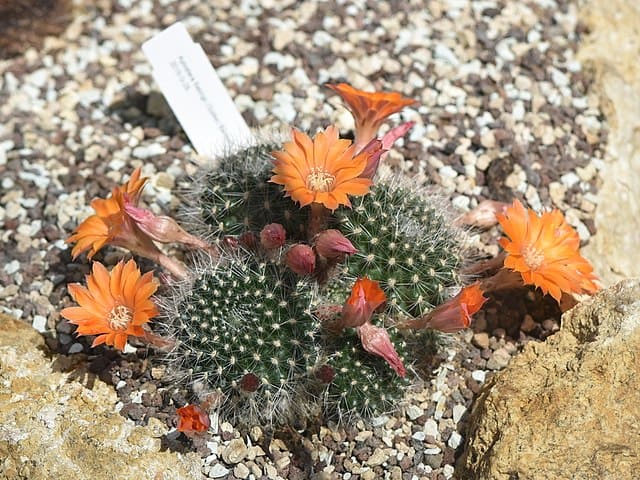
Cacti are not the prickly oddities they’re often mistaken for; they are architectural marvels with forms that range from the towering saguaros of the Sonoran Desert to the delicate, spiraling arms of the spiral cactus. Their spines, flowers, and shapes provide a visual palette that can be harnessed to craft landscapes that feel both exotic and familiar. In public parks, cacti can be arranged in sculptural groupings to create focal points that draw the eye, or interspersed among native grasses and wildflowers to evoke the rugged beauty of arid ecosystems. The contrast between the sharp geometry of cactus spines and the soft curves of surrounding foliage can produce a dynamic tension that elevates the park’s design from ordinary to extraordinary.
Consider the use of barrel cacti as natural seating or sculptural elements. Their rounded forms invite interaction, while their slow growth ensures minimal maintenance. Meanwhile, the vibrant blooms of prickly pear cacti can punctuate seasonal displays, offering bursts of color that shift with the calendar. By thoughtfully selecting species that thrive in the local climate, designers can create year-round visual interest that adapts to the rhythms of nature.
Sustainability at Its Core: Cacti as Eco-Heroes
In an era where sustainability is non-negotiable, cacti emerge as unsung heroes of eco-conscious landscaping. Their water-storing tissues and minimal transpiration rates make them ideal candidates for xeriscaping—landscaping that reduces or eliminates the need for irrigation. In drought-prone regions, cacti can thrive where traditional lawns and thirsty plants wither, drastically cutting water consumption and maintenance costs. This resilience extends to soil health; cacti’s deep root systems prevent erosion and improve soil structure, fostering a healthier environment for other plants to flourish.
Beyond their low-water credentials, cacti play a crucial role in supporting local biodiversity. Their flowers are nectar sources for pollinators like bees and hummingbirds, while their fruits and pads provide sustenance for desert wildlife. By incorporating cacti into park designs, cities can create corridors that support pollinator populations, which are vital for both natural ecosystems and agricultural productivity. Additionally, cacti’s ability to sequester carbon makes them allies in the fight against climate change, turning parks into carbon sinks that benefit the entire community.
Cultural and Educational Opportunities in Cactus Integration
Public parks are not just recreational spaces; they are classrooms without walls. Cacti offer a unique opportunity to educate visitors about the rich tapestry of desert ecosystems and the importance of conservation. Interpretive signage can highlight the ecological roles of different cactus species, their adaptations to harsh environments, and their historical significance to Indigenous cultures. For example, the saguaro cactus, revered by the Tohono O’odham people, can serve as a gateway to discussions about traditional ecological knowledge and sustainable land stewardship.
Interactive elements, such as QR codes linked to augmented reality experiences, can bring cacti to life for visitors. Imagine scanning a code next to a cholla cactus to watch a 3D animation of its spines detaching and dispersing in the wind, or learning about the symbiotic relationship between cacti and their pollinators. These immersive experiences foster a deeper connection between people and the natural world, transforming a simple park visit into a journey of discovery. Schools and community groups can also benefit from guided tours that focus on cactus cultivation, propagation techniques, and the role of succulents in combating urban heat islands.
Challenges and Solutions in Cactus Park Design
While the benefits of integrating cacti into public parks are manifold, challenges do arise. One of the most common concerns is public safety—after all, spines can be intimidating, and accidental encounters can lead to injuries. However, these risks can be mitigated through strategic placement and design. For instance, cacti can be positioned in raised planters or behind protective barriers in high-traffic areas, while softer species like the bunny-ear cactus can be used in interactive zones where touch is encouraged. Clear signage can also educate visitors about the importance of respecting these plants and keeping a safe distance.
Another challenge is the perception of cacti as “unfriendly” or “unapproachable” plants. To counter this, designers can create inviting pathways that weave through cactus gardens, using materials like decomposed granite or stepping stones to guide visitors through the landscape. The inclusion of benches, shaded seating areas, and interpretive displays can further enhance the user experience, making the park a place of relaxation and reflection rather than intimidation. Additionally, partnering with local nurseries and botanical gardens can ensure that the cacti selected are well-suited to the climate and soil conditions, reducing the risk of failure and the need for replacements.
Case Studies: Cacti in Action Around the World
Across the globe, innovative parks are already demonstrating the transformative power of cacti in urban design. In Dubai, the Al Barari community features a lush cactus garden that serves as a private oasis, showcasing the plant’s adaptability to extreme heat and arid conditions. Meanwhile, in Los Angeles, the Theodore Payne Foundation’s Native Plant Garden integrates cacti into its drought-tolerant landscapes, proving that succulents can thrive in Mediterranean climates. Closer to home, the Desert Botanical Garden in Phoenix, Arizona, has long been a testament to the beauty and diversity of cacti, offering visitors a chance to explore species from around the world in a setting that feels both wild and curated.
These examples highlight the versatility of cacti in different contexts—whether as the centerpiece of a desert-themed park, a complementary element in a mixed landscape, or a solution for challenging urban environments. By studying these case studies, designers can draw inspiration for their own projects, adapting best practices to suit local conditions and community needs. The key takeaway is that cacti are not a one-size-fits-all solution; they are a toolkit of possibilities that can be tailored to create parks that are as unique as the cities they inhabit.
Future Trends: The Growing Role of Cacti in Urban Landscapes
The future of public park design is being reshaped by climate change, urbanization, and a growing appreciation for native plants. Cacti are poised to play an increasingly prominent role in this evolution, thanks to their adaptability and low-maintenance nature. One emerging trend is the integration of cacti into green roofs and vertical gardens, where their shallow root systems and drought tolerance make them ideal candidates for rooftop ecosystems. These living installations not only reduce urban heat islands but also provide habitats for pollinators and other wildlife.
Another trend is the rise of “cactus corridors”—linear parks or pathways lined with native cacti that connect fragmented green spaces. These corridors can serve as wildlife highways, allowing species to move safely through urban areas while also providing aesthetic and recreational value for residents. Additionally, advances in biotechnology are enabling the development of hybrid cacti that are even more resilient to climate extremes, opening new possibilities for designers seeking to push the boundaries of what’s possible in sustainable landscaping.
As cities grapple with the dual challenges of climate change and rapid urbanization, the humble cactus offers a beacon of hope. It reminds us that beauty and sustainability are not mutually exclusive but can coexist in harmony. By embracing cacti in public parks, we are not just planting flora; we are cultivating resilience, fostering biodiversity, and creating spaces that inspire awe and wonder for generations to come.

FAQ
Why are cacti suitable for public parks?
Cacti are drought-resistant, low-maintenance, and can enhance biodiversity while providing aesthetic appeal.
How can cacti contribute to sustainability in landscaping?
Cacti require minimal water, making them ideal for xeriscaping and reducing overall irrigation needs.

Leave a Reply