
Short Answer
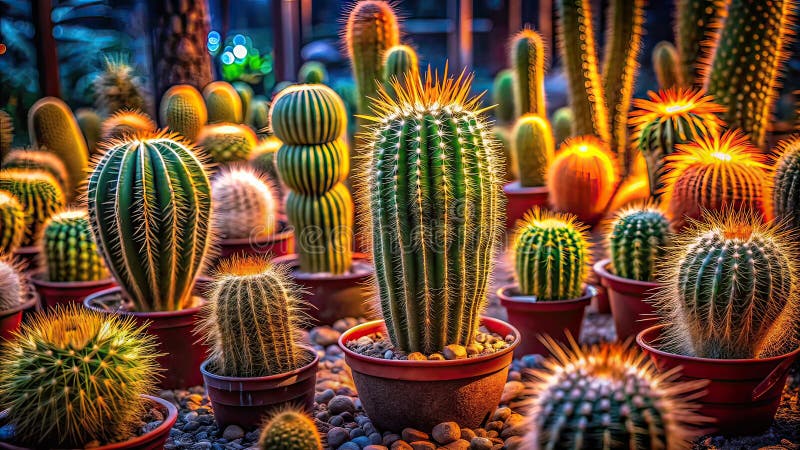
What if the next time you reached for a prickly pear margarita or marveled at a saguaro’s towering silhouette, you discovered that the very cactus in your hand—or in your glass—might vanish from the planet within your lifetime? The thought is as startling as a desert mirage, yet it’s a reality facing some of the world’s most enchanting, spiny sentinels. Cacti, those resilient desert dwellers with their stoic demeanor and unexpected bursts of color, are slipping away at an alarming rate. But which genera are on the brink? And more importantly, what can we do to pull them back from the edge of oblivion? Let’s dig into the data, uncover the hidden stories, and explore the conservation efforts breathing new life into these botanical treasures.
The Silent Vanishing: Which Cactus Genera Are Most at Risk?
While the term “endangered” often conjures images of charismatic megafauna like tigers or rhinos, the world of cacti is facing its own quiet crisis. Among the roughly 1,500 known cactus species, several genera stand out as critically imperiled, their populations dwindling due to a perfect storm of human encroachment, climate upheaval, and unchecked exploitation. The genus Escobaria, for instance, is a case in point—these diminutive, globular cacti, often no larger than a golf ball, are prized by collectors but hunted to near-extinction in the wild. Similarly, the genus Pediocactus, with its delicate, ribbed forms, faces habitat loss as desert landscapes are carved up for agriculture and urban sprawl.
But the most dire situation may belong to the genus Turbinicarpus, a group of petite, slow-growing cacti native to Mexico. These botanical jewels, with their intricate, spiraling ribs and jewel-toned flowers, are being plundered from their natural habitats at an unsustainable rate. Illegal collection for the black-market succulent trade has pushed some species, like Turbinicarpus alonsoi, to the brink of extinction. The irony? These cacti are not just victims of human greed—they’re also struggling to adapt to a rapidly warming planet, where prolonged droughts and erratic rainfall patterns are rewriting the rules of survival.
Root Causes: Why Are These Cacti Disappearing?
The plight of endangered cacti is a tangled web of interconnected threats, each strand pulling tighter around their fragile existence. At the forefront is habitat destruction, a relentless force that transforms pristine deserts into parking lots, farmland, or solar farms. The sprawling agave fields of Mexico, for example, have swallowed vast stretches of cactus habitat, leaving species like those in the genus Mammillaria with nowhere to call home. Climate change acts as a silent saboteur, exacerbating droughts and wildfires that scorch the already parched landscapes these plants call home.
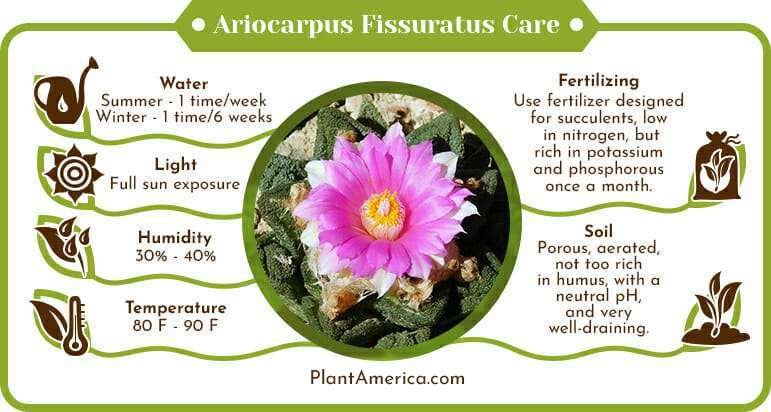
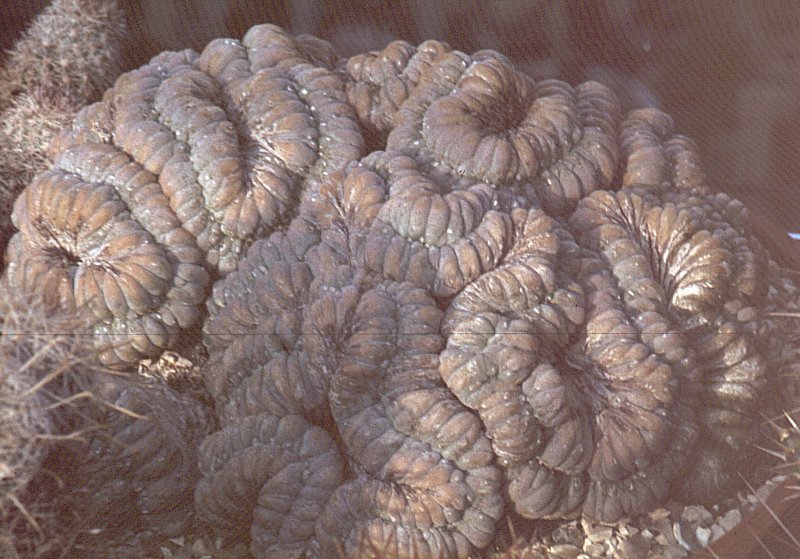
Yet, perhaps the most insidious threat is the insatiable appetite of the global succulent trade. Social media has turned cacti into coveted trophies, with rare species fetching thousands of dollars on the black market. The genus Ariocarpus, with its flat, star-like forms, is a prime target for poachers who dig up entire colonies to sell to collectors. Even legally traded species face exploitation, as nurseries struggle to keep up with demand, sometimes resorting to unsustainable harvesting practices. And let’s not forget the unintended consequences of invasive species—feral goats and rabbits, introduced by humans, devour cacti at an alarming rate, leaving behind barren landscapes where once-thriving colonies stood.
Conservation in Action: Can We Save These Spiny Survivors?
The good news? Conservationists, scientists, and even local communities are fighting back with a mix of innovation, grit, and old-fashioned botanical know-how. One of the most promising strategies is ex-situ conservation, where cacti are cultivated outside their natural habitats to safeguard their genetic diversity. Seed banks, like those operated by botanical gardens and research institutions, are becoming arks for endangered species. For example, the genus Echinomastus, with its striking, ribbed forms, is being preserved through carefully curated seed collections, ensuring that future generations can witness its beauty.
But conservation isn’t just about storing seeds in a freezer—it’s about restoring ecosystems. Reintroduction programs are breathing life back into degraded habitats, with species like those in the genus Gymnocactus being carefully transplanted into protected areas. Meanwhile, community-led initiatives are empowering local populations to become stewards of their botanical heritage. In Mexico, for instance, indigenous groups are collaborating with scientists to monitor and protect wild cactus populations, blending traditional knowledge with modern conservation techniques.
Technology is also lending a helping hand. Drones equipped with thermal imaging are being used to survey remote deserts, spotting illegal cactus poaching rings before they can strike. DNA barcoding is another game-changer, allowing researchers to track the origins of seized plants and crack down on black-market trafficking. And let’s not overlook the power of education—campaigns to raise awareness about the plight of endangered cacti are changing hearts and minds, turning casual plant enthusiasts into conservation advocates.
The Ripple Effect: Why Saving Cacti Matters Beyond the Desert
At first glance, the loss of a few cactus species might seem like a minor blip in the grand tapestry of biodiversity. But the truth is, these plants are far more than just prickly decorations—they’re linchpins of their ecosystems. Cacti provide vital resources for pollinators like bees and hummingbirds, their flowers offering nectar in otherwise barren landscapes. They also play a crucial role in soil stabilization, preventing erosion in fragile desert soils. And for humans, they’re a lifeline—cacti like the prickly pear are a source of food, medicine, and even water in arid regions.
Moreover, the decline of cacti is a canary in the coal mine, a warning sign of the broader ecological collapse unfolding across the planet. If these resilient survivors are struggling, what does that say about the health of our deserts—and our own future? The fate of cacti is intertwined with our own, a reminder that we’re all part of a single, interconnected web of life. By saving these spiny survivors, we’re not just preserving a few odd-looking plants—we’re safeguarding the resilience of entire ecosystems and the communities that depend on them.
A Call to Arms: How You Can Help
The battle to save endangered cacti isn’t one that can be won by scientists alone—it’s a fight that requires all of us to roll up our sleeves and get involved. Start by educating yourself and others about the threats facing these plants. Follow conservation organizations on social media, attend workshops, and share their messages far and wide. If you’re a plant lover, resist the urge to buy wild-collected cacti, no matter how tempting. Instead, opt for ethically sourced plants from reputable nurseries, or better yet, grow your own from seed.
For the adventurous, consider volunteering with conservation projects in cactus-rich regions. Whether it’s helping to restore habitat, monitor wild populations, or educate local communities, your efforts can make a tangible difference. And if you’re feeling particularly ambitious, why not join a citizen science project? By documenting cactus sightings and reporting illegal activity, you can become a frontline defender of these botanical treasures.
The story of endangered cacti is still being written, and the ending isn’t set in stone. With determination, innovation, and a healthy dose of hope, we can turn the tide—ensuring that future generations will still marvel at the sight of a blooming saguaro or the delicate symmetry of a Turbinicarpus in full flower. The question isn’t whether we can save these plants. The question is: Will we?
FAQ
What causes the decline of endangered cactus genera?
Decline is mainly caused by habitat loss, climate change, illegal poaching for the succulent trade, and invasive herbivores.
Which cactus genera are at greatest risk of extinction?
Escobaria, Pediocactus, Turbinicarpus, and Ariocarpus are among the most at risk.
What conservation methods help protect endangered cacti?
Methods include seed banking, habitat restoration, reintroduction programs, community involvement, and anti-poaching technologies.
Why are cacti important to desert ecosystems?
They provide nectar to pollinators, prevent soil erosion, and serve as a resource for local human populations.
How can the public contribute to cactus conservation?
By avoiding wild-collected plants, supporting ethical nurseries, volunteering for conservation projects, and raising awareness.
Leave a Reply