
Short Answer
There’s something almost magical about watching a Ferocactus burst into bloom—a sudden, fiery defiance of arid monotony, a burst of color in a landscape that seems to have sworn off softness. These cacti, often dismissed as mere desert sentinels, are in fact horticultural enigmas, their flowering habits as intricate as they are rewarding. Whether you’re nurturing a prized Ferocactus schwarzii in a sun-drenched Sydney courtyard or coaxing a Ferocactus wislizeni into its seasonal spectacle in the American Southwest, the journey from spiny silence to floral exuberance is one of patience, precision, and a deep understanding of their wild origins. This guide isn’t just about coaxing blooms; it’s about unlocking the secret language of these desert monarchs and learning to speak it fluently through soil, light, and seasonal rhythm.
The Ferocactus Floral Lexicon: Decoding the Language of Blooms
Before you can encourage flowering, you must first learn to listen. Ferocacti communicate through subtle shifts in growth, color, and texture—signals that precede the grand finale of their floral display. The first clue often appears in the form of a cephalium, a specialized, woolly growth that emerges near the apex of mature specimens. This isn’t mere fuzz; it’s a floral nursery, a protected cradle where buds form in secret before unfurling in a riot of petals. Some species, like the Ferocactus latispinus, develop lateral cephalia, while others, such as the Ferocactus gracilis, favor a single, central crown. Recognizing these structures is the first step in anticipating the floral performance, turning passive observation into active horticultural dialogue.
The timing of flowering is equally telling. Most Ferocacti are photoperiodic, their reproductive cycles syncing with the lengthening days of late spring or the shortening shadows of early autumn. However, this isn’t a rigid calendar. Environmental stressors—brief droughts, temperature fluctuations, or even the mineral composition of your water—can nudge flowering earlier or delay it entirely. Think of it as a dance: the cactus leads, and you follow, adjusting your care to match its rhythm rather than imposing your own.
Light: The Golden Ratio of Desert Radiance
Ferocacti are sun worshippers, but not the indiscriminate kind. They crave the unfiltered, high-intensity light of their native habitats, where the sun doesn’t just illuminate—it sculpts. In cultivation, this means maximizing exposure without resorting to the sizzling extremes of a greenhouse in midsummer. South-facing windows are ideal for indoor specimens, but even here, the angle of the sun shifts with the seasons, and your cactus may need a quarter-turn every few weeks to avoid etiolation—a lanky, light-starved stretch toward the light that signals distress rather than vitality.
Outdoor growers face a different challenge: the tyranny of too much sun. While Ferocacti can tolerate intense radiation, sudden exposure to full, unfiltered sunlight after a cloudy spell can cause sunburn, leaving pale, papery patches on their ribs. The solution? Gradual acclimation. Start with dappled shade or morning sun, then incrementally increase exposure over weeks. For species like the Ferocactus peninsulae, which hails from Baja California’s coastal cliffs, a touch of afternoon shade can prevent bleaching while still delivering the luminous energy needed for bud formation.
Artificial lighting isn’t off the table, but it demands precision. LED grow lights with a spectrum rich in red and blue wavelengths can mimic natural sunlight, but the distance and duration of exposure must be calibrated. Too close, and you risk scorching; too far, and the cactus languishes in a vegetative stupor. Aim for 12–14 hours of light daily, with a period of darkness to simulate the natural day-night cycle—a critical cue for floral induction.
Water: The Delicate Art of Controlled Thirst
Water is the great paradox of Ferocactus care: essential for life, yet lethal in excess. These cacti have evolved to thrive in conditions where moisture is a rare and fleeting guest, their thick, ribbed bodies storing precious droplets like desert camels. Overwatering is the fastest route to root rot, a silent killer that begins in the soil and ends in a mushy, stinking demise. The key is to water deeply but infrequently, allowing the substrate to dry out completely between sessions. In the growing season—typically spring through early summer—this might mean a thorough soak every 2–3 weeks, depending on your climate. By late summer, as temperatures peak, reduce frequency to once a month or less.
But water isn’t just about quantity; it’s about quality. Ferocacti are sensitive to minerals, particularly calcium and magnesium, which can accumulate in tap water and create a toxic buildup in the soil. If your water is hard, consider using filtered or distilled water, or let tap water sit for 24 hours to allow some minerals to precipitate out. Rainwater is the gold standard, but only if collected in a clean, non-metal container to avoid contamination. The pH of your water matters too—Ferocacti prefer a slightly acidic to neutral range (6.0–7.0), as alkaline conditions can lock away essential nutrients like iron and zinc.
Seasonal watering strategies also play a role in floral induction. A brief period of drought in late winter or early spring can mimic the natural dry spells of their habitat, triggering a hormonal shift that primes the plant for flowering. This isn’t about neglect; it’s about strategic deprivation, a controlled stress that signals the cactus to prioritize reproduction over growth. Resume regular watering only after you spot the first signs of bud formation—a tiny swelling near the cephalium or a slight darkening of the areoles.
Soil and Substrate: Crafting the Perfect Desert Bed
The foundation of a thriving Ferocactus isn’t just soil; it’s a carefully curated substrate that mimics the gritty, mineral-rich environments of their native ranges. Standard potting mixes are a recipe for disaster, retaining too much moisture and suffocating the roots. Instead, aim for a blend that’s porous, well-draining, and low in organic matter. A classic recipe includes equal parts coarse sand, perlite or pumice, and a mineral component like turface or chicken grit. For species that hail from coastal or volcanic regions, such as the Ferocactus diguetii, adding a handful of crushed lava rock can replicate the rocky outcrops where they naturally grow.
The container itself is part of the equation. Terracotta pots are ideal, their unglazed surfaces allowing moisture to evaporate more quickly than plastic. Ensure the pot has ample drainage holes—Ferocacti despise soggy feet, and a single blocked hole can spell doom. Repotting should be done sparingly, only when the roots have outgrown their home or the soil has degraded. When repotting, resist the urge to fertilize immediately; give the cactus a few weeks to acclimate to its new environment before introducing nutrients.
Fertilization is a double-edged sword. While Ferocacti are hardy, they do benefit from a light feeding during the growing season. Use a balanced, water-soluble fertilizer diluted to half strength, applied no more than once a month. Avoid high-nitrogen formulas, which promote leafy growth at the expense of flowers. Instead, opt for a blend with a higher phosphorus content (e.g., 5-10-10), which encourages root development and floral initiation. Remember, fertilization is supplementary; the bulk of a Ferocactus’s energy comes from photosynthesis and stored reserves, not from your carefully measured nutrients.
Temperature and Seasonal Mimicry: The Invisible Conductor
Ferocacti are creatures of habit, their internal clocks attuned to the subtle shifts of desert seasons. To encourage flowering, you must become a mimic of these rhythms, replicating the temperature fluctuations that trigger their reproductive cycles. In their native habitats, Ferocacti endure scorching days and chilly nights, a diurnal temperature range that can exceed 30°F (17°C). Indoors, this means providing warmth during the day (75–90°F or 24–32°C) and a significant drop at night (50–60°F or 10–16°C), especially in the months leading up to flowering.
Winter dormancy is another critical phase. Many Ferocacti enter a period of rest when temperatures drop and daylight wanes, a time when growth slows and energy is conserved. This isn’t a time for coddling; reduce watering to a bare minimum, and avoid fertilizing entirely. If you’re growing outdoors in a temperate climate, a cold frame or unheated greenhouse can provide the necessary chill without exposing the cactus to freezing temperatures. For indoor growers, a cool windowsill or an unheated room can suffice. The goal is to simulate the dry, cool winters of the Sonoran or Chihuahuan deserts, where Ferocacti endure brief frosts and emerge in spring with renewed vigor.
Spring’s arrival is the signal to ramp up care. As temperatures rise and days lengthen, increase watering gradually and introduce a light feeding schedule. This is also the time to inspect your cactus for signs of bud initiation—small, rounded protrusions near the growing point or a slight softening of the cephalium. Once buds appear, resist the urge to rotate the pot or move the plant; Ferocacti are sensitive to disturbance during this delicate phase, and even a minor shift can cause buds to abort.
Patience and Persistence: The Gardener’s Most Valuable Tools
Even with the perfect blend of light, water, soil, and temperature, some Ferocacti may take years to flower for the first time. This isn’t a reflection of your skill; it’s a testament to their longevity and the slow, deliberate pace of desert life. The Ferocactus schwarzii, for example, may not bloom until it’s a decade old, its first flowers a reward for years of attentive care. During this waiting period, focus on creating the ideal conditions rather than fixating on the outcome. A healthy, thriving cactus is its own reward, and the blooms will come when the time is right.
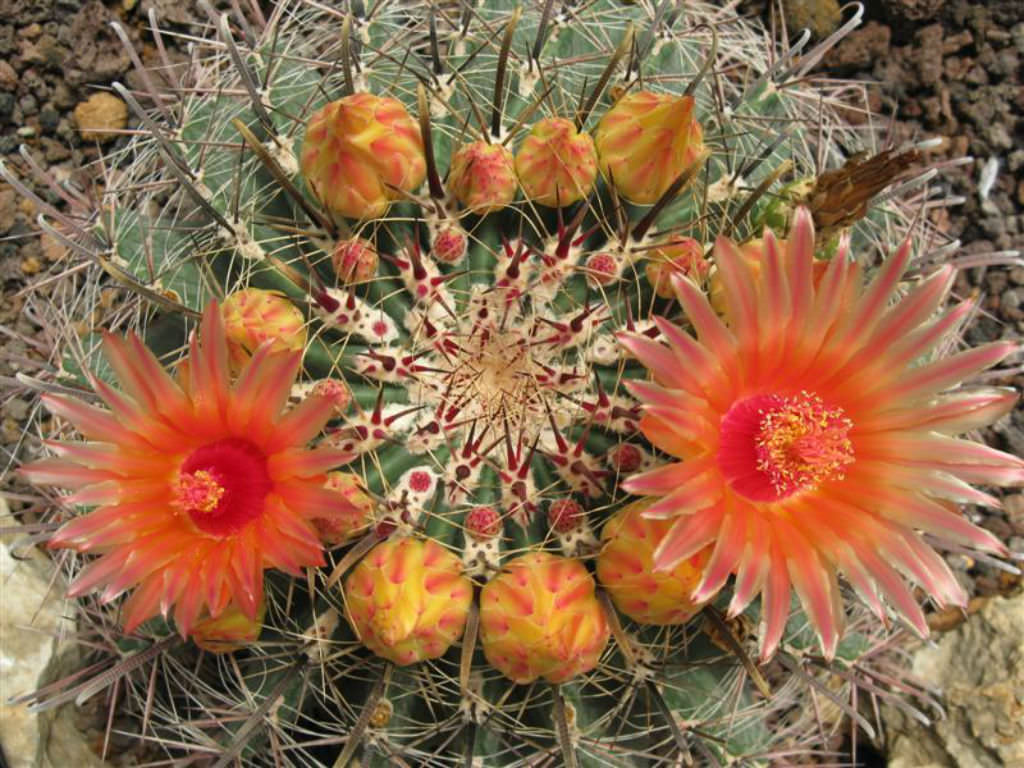
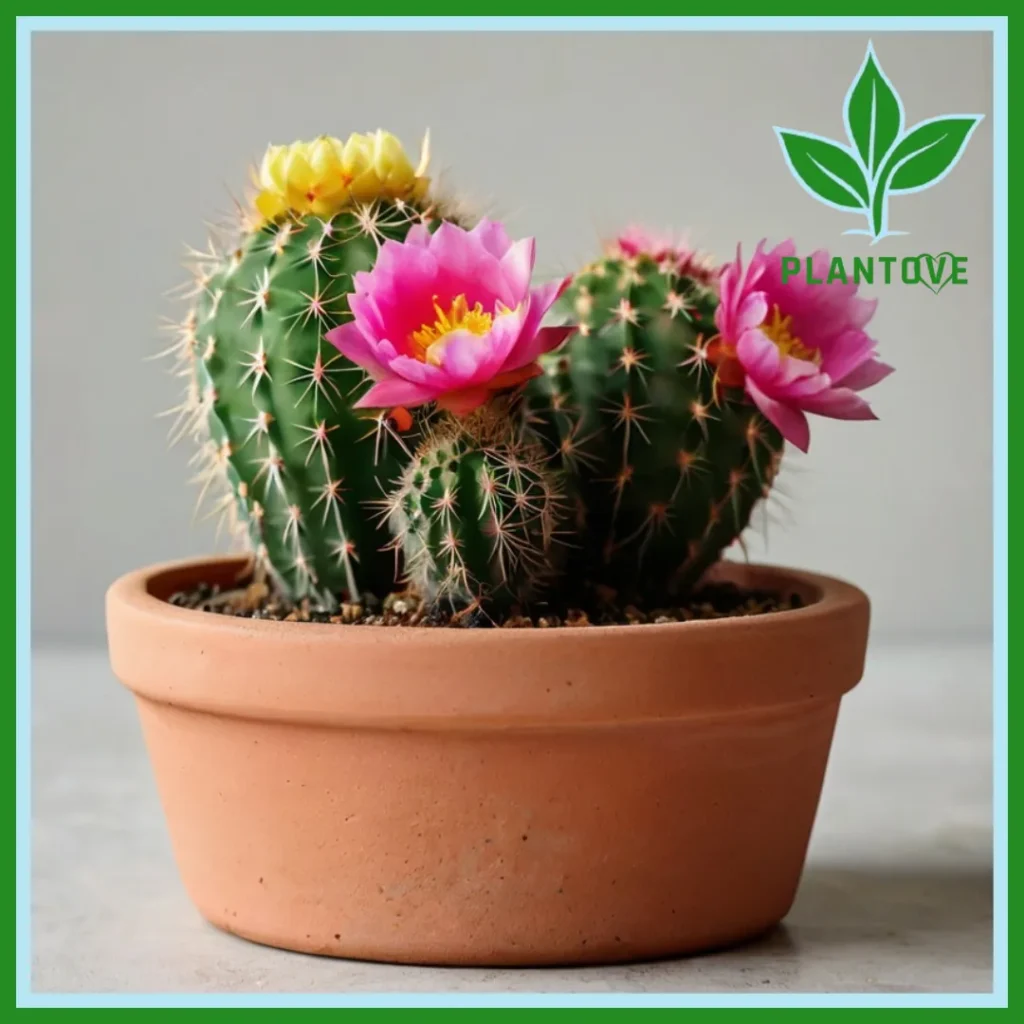
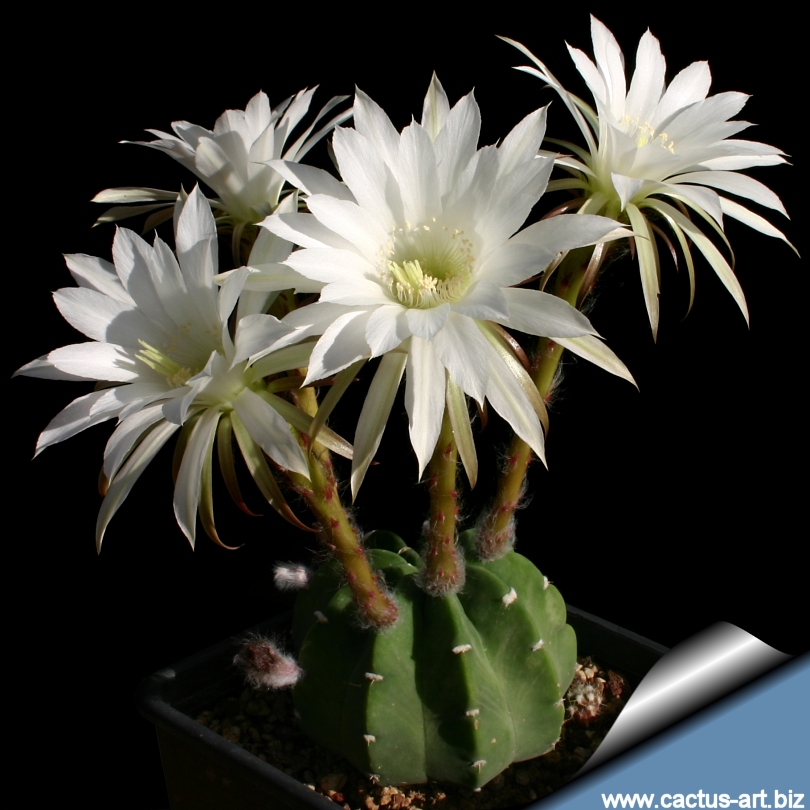
When the moment finally arrives, it’s worth savoring. A Ferocactus in full flower is a spectacle of nature’s defiance—a burst of yellow, red, or pink against a backdrop of spines and stone. The blooms may last only a few days, but their memory lingers, a reminder that even in the harshest environments, life finds a way to flourish. For the gardener, this is the ultimate validation: a partnership with a plant that has evolved over millennia, and a chance to play a small but meaningful role in its story.
FAQ
What conditions encourage flowering in Ferocactus?
Ferocactus require optimal light exposure, controlled watering, and specific soil conditions to promote flowering.
How often should I water Ferocactus?
Water deeply but infrequently, typically every 2–3 weeks during the growing season, allowing the soil to dry out completely between sessions.

Leave a Reply