

Short Answer
In the frosty breath of December, when the world dons its shimmering white cloak, there exists a quiet rebellion in the art of holiday adornment—one that whispers of resilience, of life persisting through the harshest seasons. Enter the cactus, a spiky sentinel of the desert, now reimagined as an unexpected muse in Christmas decor. Far from the traditional holly and mistletoe, this prickly protagonist brings a paradox of warmth and edge, softness and sharpness, to the festive tableau. It’s a metaphor for the holidays themselves: deceptively delicate, yet unyieldingly strong. Let’s unravel the enchanting ways this desert dweller can transform your Christmas into a celebration of contrast, creativity, and unapologetic flair.
The Cactus as a Symbol of Resilience: Redefining Holiday Traditions
Christmas, at its core, is a festival of light in the darkest month—a time when we seek symbols of hope, endurance, and renewal. The cactus, with its ability to thrive in arid wastelands, embodies these very virtues. Unlike the fleeting beauty of poinsettias or the ephemeral charm of fresh pine, the cactus endures. Its presence in holiday decor isn’t just a stylistic choice; it’s a defiant celebration of life’s tenacity. Imagine a wreath woven with dried cactus pads, their edges softened by the gentle fray of time, yet still unmistakably fierce. Or a centerpiece where miniature cacti stand sentinel among twinkling fairy lights, their silhouettes casting jagged shadows that dance across the tablecloth. This isn’t just decor—it’s a manifesto. It says: “Yes, the world is cold, but we are not fragile.”
The cactus challenges the saccharine sweetness of traditional Christmas imagery. Where sugar plum fairies and rosy-cheeked Santas dominate, the cactus introduces a note of the untamed. It’s the holiday decor equivalent of trading a Hallmark card for a gritty indie novel. And in doing so, it invites us to reconsider what we value in this season of giving. Perhaps the greatest gift isn’t the one wrapped in glossy paper, but the one that reminds us of our own unbreakable spirit.
Unconventional Elegance: Cactus-Inspired Ornaments and Accents
Move over, glass baubles—there’s a new star in town, and it’s clad in spines. Cactus-inspired ornaments are the perfect fusion of whimsy and sophistication, offering a fresh take on tree trimming. Picture delicate ceramic cacti, hand-painted with intricate desert motifs, hanging from branches like tiny guardians. Or consider glitter-dipped cactus figurines, their tips catching the light like desert dew at dawn. For a touch of the surreal, try translucent cactus-shaped bulbs that glow from within, their inner light a metaphor for the warmth that persists even in the coldest nights.
Beyond the tree, the cactus lends itself to a myriad of festive accents. A garland of dried cactus skeletons—yes, the skeletal remains of these plants, stripped of their flesh yet retaining their architectural grace—can drape a mantel or staircase with an eerie, ethereal beauty. Pair these with velvet ribbons in deep emerald or burnt orange, and suddenly, your holiday decor feels like a desert mirage come to life. Even the humble gift wrap can be transformed: imagine brown kraft paper adorned with hand-drawn cactus motifs, tied with twine and a sprig of dried sage. It’s rustic, it’s unexpected, and it’s undeniably chic.
The key to pulling off cactus-inspired accents is balance. The desert plant’s stark lines and bold forms demand a counterpoint—something to soften its edges. Enter metallics: copper, brass, and gold. A copper cactus ornament against a green backdrop creates a striking contrast, while gold leaf applied to a cactus-shaped candle holder adds a touch of opulence. The cactus, in all its prickly glory, becomes a canvas for luxury, proving that even the most unconventional elements can be elevated into something extraordinary.
Cactus Centerpieces: Crafting a Desert Oasis in Your Holiday Spread
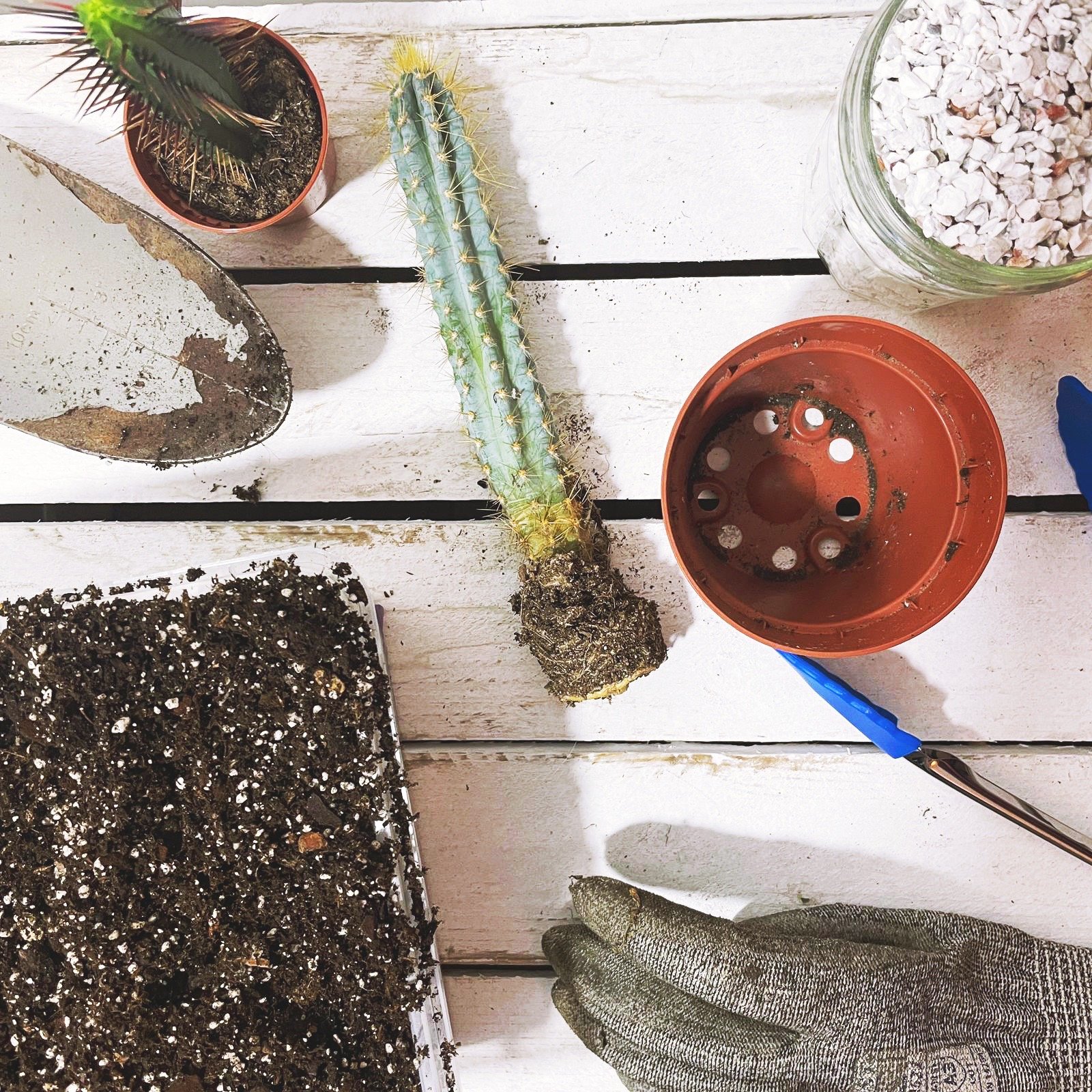
The dining table is the heart of the Christmas feast, and what better way to set the stage than with a centerpiece that’s as conversation-starting as it is visually stunning? A cactus centerpiece isn’t just a collection of plants; it’s a miniature ecosystem, a self-contained world of resilience and beauty. Start with a low, wide bowl or tray—something that evokes the vastness of the desert landscape. Fill it with a base of sand or fine gravel, then arrange a mix of cacti in varying heights and shapes. Add a few smooth river stones, their edges worn by time, and perhaps a scattering of dried orange slices or cinnamon sticks for a hint of spice and warmth.
For a touch of the magical, incorporate fairy lights beneath the sand or gravel, their glow filtering through the translucent bodies of the cacti like moonlight on dunes. Or, for a more structured look, create a terrarium-style centerpiece with layers of soil, moss, and sand, punctuated by the occasional cactus. The result is a living sculpture, a testament to the idea that beauty can thrive in the most unlikely of places.
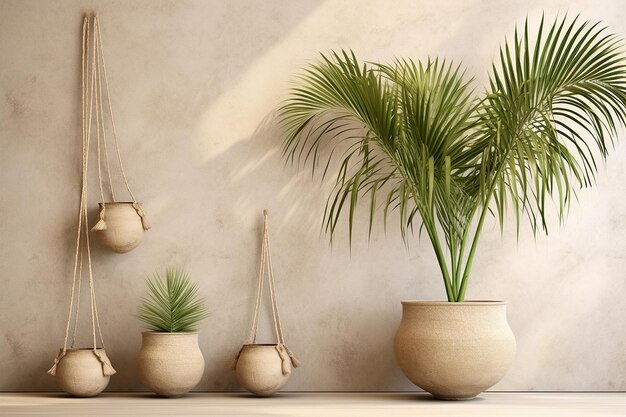
But why stop at the table? Extend the desert motif to your entire holiday spread. A coffee table adorned with a cluster of small cacti in mismatched pots—some ceramic, some woven from rattan—creates a sense of curated chaos. Add a few scattered books with desert-themed covers, a vintage lantern, and a bowl of pomegranates (a nod to both the desert’s bounty and the holiday’s richness), and suddenly, your living room feels like an oasis in the midst of winter’s chill.
DIY Cactus Decor: Unleashing Your Inner Desert Artist
The magic of cactus-inspired Christmas decor lies in its accessibility. You don’t need to be a master craftsman to bring this aesthetic to life—you just need a little imagination and a willingness to embrace the unconventional. Start with a simple DIY project: paint terracotta pots in bold, matte colors—deep teal, terracotta, or even black—and arrange them in a cluster on a shelf or windowsill. Fill them with small cacti or succulents, and suddenly, you’ve created a miniature desert garden that’s both festive and functional.
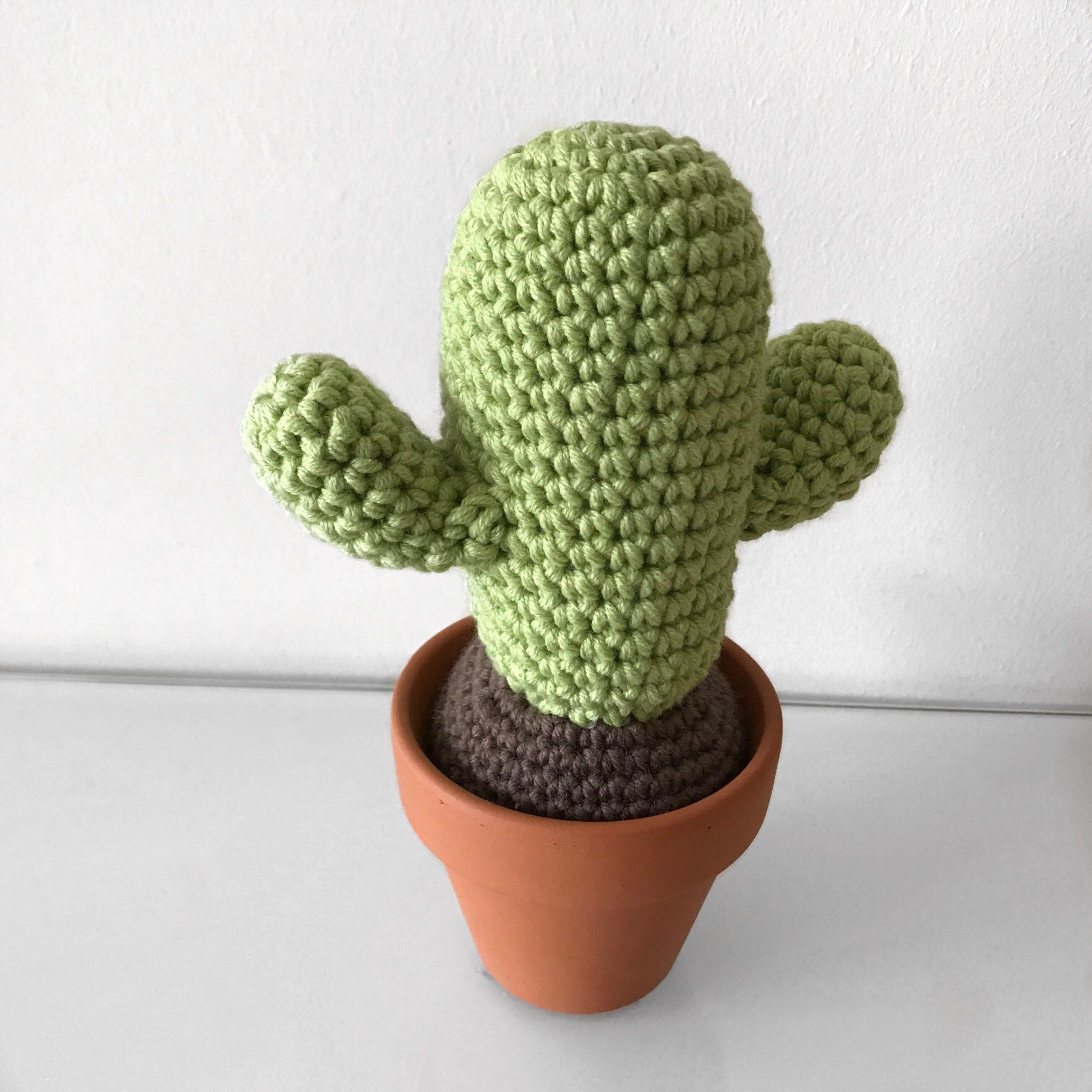
For a more involved project, try your hand at making cactus-shaped candles. Using a silicone cactus mold, pour beeswax or soy wax, and once set, paint the candles with non-toxic acrylics in shades of green, pink, or even metallic gold. The result? A flickering, spiky centerpiece that casts shadows reminiscent of desert sunsets. Or, if you’re feeling particularly adventurous, create a cactus wreath using dried cactus pads, eucalyptus branches, and a few strategically placed baubles. The key is to let your creativity run wild—there are no rules in the world of cactus Christmas decor.
And let’s not forget the power of upcycling. Old boots, teapots, or even a vintage suitcase can be transformed into whimsical cactus planters with a little paint and ingenuity. The cactus, with its adaptability, is the perfect muse for eco-conscious decorators. It reminds us that beauty doesn’t have to come at the expense of the planet—and that sometimes, the most striking pieces are the ones we repurpose from the past.
The Cactus Aesthetic: Merging Holiday Cheer with Desert Cool
At its heart, the cactus Christmas aesthetic is about merging two seemingly disparate worlds: the cozy, comforting traditions of the holidays and the bold, untamed spirit of the desert. It’s a fusion of opposites—soft and hard, delicate and durable, traditional and avant-garde. This juxtaposition is what makes the cactus such a compelling choice for festive decor. It challenges us to see the holidays not just as a time of sugar and spice, but as an opportunity to embrace the full spectrum of life’s experiences.
Consider the color palette of a cactus-inspired Christmas. While traditional palettes lean heavily on red and green, the cactus introduces a more nuanced spectrum: sage greens, dusty pinks, muted terracotta, and the occasional pop of cobalt blue. These colors evoke the desert at different times of day—the golden hues of dawn, the deep purples of twilight, the cool blues of a desert night. They’re earthy, grounded, yet still vibrant enough to feel celebratory. Pair these tones with natural textures—wood, linen, leather—and you’ve created a space that feels both festive and timeless.
The cactus aesthetic also invites us to slow down and appreciate the beauty of the natural world. In a season dominated by consumerism and excess, the cactus reminds us that less can indeed be more. A single, well-placed cactus can make a statement far more powerful than a room overflowing with knickknacks. It’s a call to curate, to select, to choose quality over quantity. And in doing so, it transforms our holiday spaces into sanctuaries of intentionality.
Beyond the Holidays: The Cactus as a Year-Round Muse
While the cactus is a natural fit for Christmas decor, its appeal doesn’t end when the new year begins. In fact, the cactus is a plant that transcends seasons, a symbol of resilience that’s just as relevant in July as it is in December. Consider incorporating cactus motifs into your home decor year-round. A throw pillow with a subtle cactus print, a rug with a desert-inspired pattern, or even a piece of wall art featuring a minimalist cactus silhouette can keep the spirit of the desert alive long after the tinsel has been packed away.
And why stop at home decor? The cactus can inspire fashion, too. A dress with a cactus print, a scarf in desert tones, or even jewelry featuring cactus charms can infuse your wardrobe with a touch of the unconventional. The cactus, with its bold lines and striking forms, is a natural muse for designers. It’s a reminder that style doesn’t have to be predictable—that sometimes, the most interesting looks are the ones that dare to be different.
Ultimately, the cactus is more than just a plant. It’s a symbol, a muse, a metaphor for the holidays themselves. It challenges us to see the world differently, to embrace the unconventional, and to find beauty in the most unexpected of places. So this Christmas, why not let the cactus take center stage? Let it remind you that even in the darkest of nights, there is light—and even in the most barren of landscapes, life persists. That, after all, is the true magic of the season.
FAQ
Can cacti be used as Christmas decorations?
Yes, cacti can be creatively incorporated into Christmas decor, bringing a unique and resilient aesthetic.
What are some DIY cactus decoration ideas?
Consider painting terracotta pots, making cactus-shaped candles, or upcycling old items into planters.

Leave a Reply