
Short Answer
In the quiet alchemy of resin art, where liquid becomes solid under the patient gaze of a creator, the humble cactus emerges not just as a subject, but as a metaphor—a prickly paradox of resilience and beauty. This unassuming desert dweller, often overlooked in the wild, transforms under the artist’s touch into shimmering jewelry and ornate decorative pieces. The cactus in resin art is more than a motif; it is a narrative of endurance, a celebration of the unconventional, and a testament to the magic that happens when nature and human ingenuity intertwine. Its spines, once a defense mechanism, become delicate filigree; its silhouette, a silhouette of quiet strength, now adorns fingers and mantels alike. To work with cacti in resin is to embrace the unexpected, to find poetry in the spiny, and to create objects that whisper tales of the arid landscapes they hail from.
The Cactus as a Symbol: From Desert Survivor to Artistic Muse
The cactus is a survivor, a botanical warrior that thrives where others wither. In resin art, it transcends its earthly origins to become a symbol of tenacity and adaptability. Its geometric forms—sharp, angular, and unapologetically bold—challenge the softness of traditional floral motifs. When encased in resin, the cactus’s stark silhouette is preserved in a timeless amber glow, its spines frozen mid-defense, its ribs etched with the precision of a sculptor’s chisel. This transformation is not merely aesthetic; it is philosophical. The cactus teaches us that beauty need not be delicate to be profound. It thrives in adversity, and so too does resin art, which demands patience, precision, and a willingness to embrace imperfection. To craft a cactus in resin is to pay homage to the indomitable spirit of nature, to distill its essence into wearable art or a centerpiece that commands attention.
Materials and Techniques: Crafting the Prickly Perfection
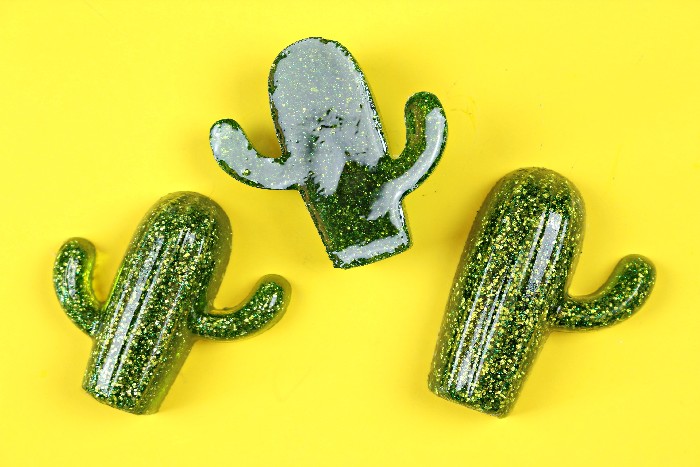
Working with cacti in resin art begins with the careful selection of materials. The cactus itself must be dried thoroughly, its moisture extracted to prevent bubbles or cloudiness in the final piece. Artists often opt for preserved or skeletonized cacti, their natural forms stripped of flesh but retaining their skeletal elegance. For those seeking a more whimsical approach, silicone molds can capture the intricate details of a cactus’s ribs or spines, allowing for replication in materials like epoxy or UV resin. The choice of resin is crucial—clear, high-gloss epoxy lends a glass-like transparency, while tinted resins can evoke the warm hues of a desert sunset. Embedding techniques vary: some artists suspend dried cactus fragments within layers of resin, creating a depth that mimics the layers of sediment in a canyon, while others use resin to encapsulate entire small cacti, preserving them like specimens in a collector’s cabinet. The process is one of controlled chaos, where the artist must balance the resin’s viscosity with the cactus’s delicate structure, ensuring that no spine is lost to the flow.
Jewelry Design: Wearable Desert Dreams
Cactus-inspired resin jewelry is a bold statement, a wearable rebellion against the delicate florals that dominate the accessory world. Earrings shaped like saguaro ribs or prickly pear pads dangle with a geometric precision that catches the light like a mirage. Pendants featuring miniature cacti suspended in resin become talismans of resilience, their wearers embodying the cactus’s quiet strength. The appeal lies in the contrast: the hardness of resin against the softness of skin, the sharpness of spines against the smoothness of a collarbone. Designers often play with scale, crafting oversized cactus charms that become conversation pieces or delicate, almost microscopic renderings that whisper secrets against the wearer’s skin. The use of metallic foils or iridescent pigments can add a shimmer reminiscent of desert dew, while embedded glitter mimics the sparkle of sunlight on sand. Each piece is a miniature ecosystem, a frozen moment where the cactus’s tenacity is celebrated in wearable form.
Decorative Pieces: Sculpting the Desert’s Essence
Beyond jewelry, cactus resin art extends into the realm of home decor, where the desert’s spirit is immortalized in three-dimensional form. Wall hangings featuring layered resin and cactus silhouettes cast intricate shadows, turning a simple piece into a dynamic tableau. Tabletop sculptures, from tiny desk-sized cacti to sprawling centerpieces, bring the desert indoors, their glossy surfaces reflecting the light in a way that evokes the shimmer of heat on the horizon. Artists often incorporate mixed media, embedding sand, crushed glass, or even tiny pebbles into the resin to enhance the tactile experience. The result is a piece that is both functional and fantastical—a coffee table adorned with a resin cactus garden, or a lampshade that casts cactus-shaped shadows when illuminated. These decorative pieces are not mere objects; they are portals to another landscape, inviting viewers to pause and contemplate the beauty of the arid world.
The Allure of the Unconventional: Why Cactus Resin Art Captivates
What is it about cactus resin art that captivates the imagination? Perhaps it is the juxtaposition of the familiar and the foreign—the cactus, a plant so closely associated with the American Southwest, finding new life in the hands of artists worldwide. Or maybe it is the challenge of working with such a stark, unyielding form, where every angle must be considered, every spine accounted for. There is an audacity to cactus resin art, a refusal to conform to the softness of traditional floral designs. It is art that demands to be seen, to be touched, to be worn. The cactus, in its resin-bound form, becomes a symbol of transformation—a reminder that even the most unassuming elements of nature can be reimagined into something extraordinary. It is a celebration of the unconventional, a testament to the idea that beauty is not found in perfection, but in the raw, unfiltered essence of life itself.
Tips for Aspiring Cactus Resin Artists
For those eager to embark on their own cactus resin journey, patience is the first and most critical tool. Start with small projects, perhaps a single cactus earring or a tiny decorative piece, to familiarize yourself with the resin’s behavior and the cactus’s structure. Experiment with different drying techniques—some artists use a slow cure to minimize bubbles, while others embrace the organic imperfections that arise from a faster process. Safety is paramount; always work in a well-ventilated space and wear protective gear when handling resin and its catalysts. Consider the narrative behind your piece: is it a celebration of resilience? A homage to the desert? A playful twist on a classic motif? Let the cactus guide your hand, and trust in the process. Remember, the most striking cactus resin art often emerges from the unexpected—a misplaced drop of resin, a spine that bends just so, a color choice that defies convention. Embrace the chaos, and let the cactus’s spirit infuse your work.
FAQ
What materials are needed for cactus resin art?
You will need dried cacti, resin (epoxy or UV), molds, and optionally, decorative elements like glitter or metallic foils.
How do you preserve cacti for resin art?
Cacti should be thoroughly dried to prevent moisture from causing bubbles in the resin.




Leave a Reply