
Short Answer
There’s something almost magical about the Astrophytum asteria, commonly known as the Star Cactus. With its geometric perfection and sunburst ribs, it’s no wonder this succulent has captured the hearts of plant enthusiasts worldwide. But beyond its striking appearance lies a world of care nuances that can transform a mere hobbyist into a devoted Astrophytum connoisseur. Whether you’re a seasoned green thumb or a curious newcomer, this guide will illuminate every facet of nurturing these celestial beauties—from their sun-drenched origins to the delicate art of propagation.
The Star Cactus: A Botanical Marvel in Miniature
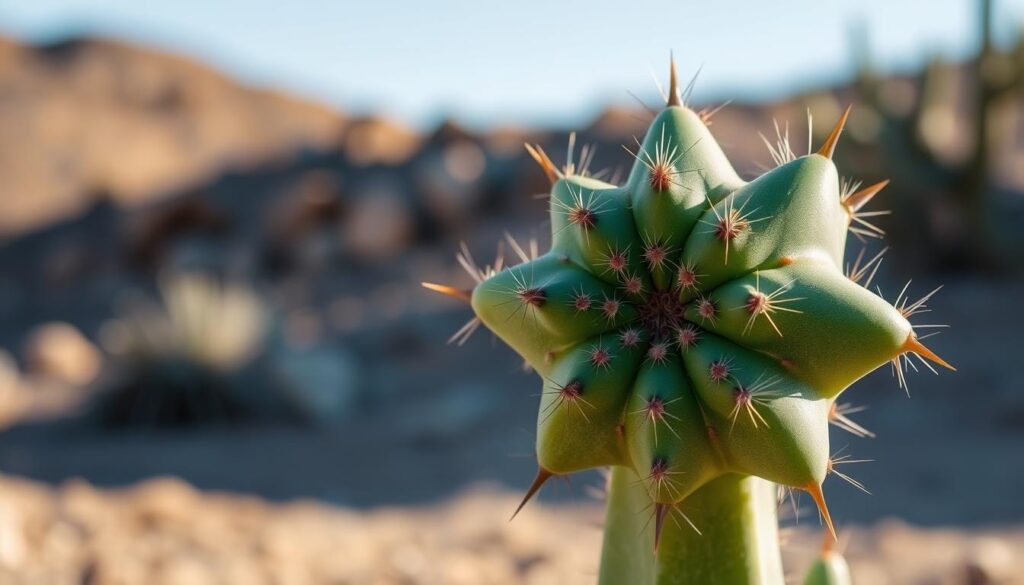
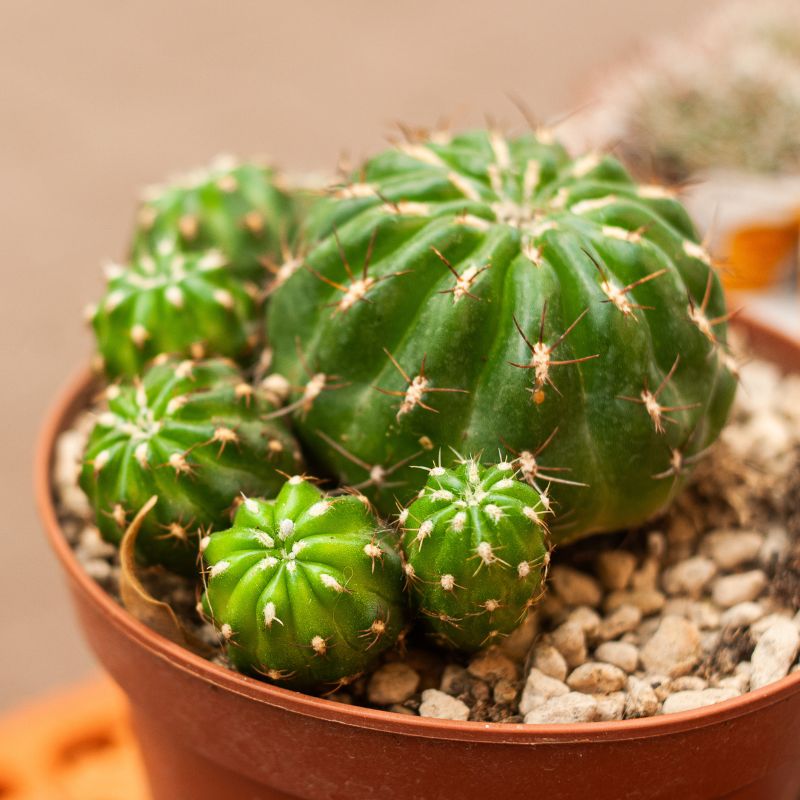
The Astrophytum asteria is a paradox—a desert dweller that thrives on minimalism. Native to the arid landscapes of Mexico and Texas, this cactus has evolved to store water in its plump, star-shaped body, allowing it to endure prolonged droughts. Its ribs, typically eight in number, are a marvel of natural engineering, channeling sunlight efficiently while minimizing surface area to reduce water loss. Unlike its more flamboyant cousins, the Star Cactus eschews spines in favor of a smooth, almost polished surface, giving it an otherworldly elegance. For the observant grower, its slow growth rate is a testament to patience—a virtue that rewards with a lifetime of admiration.
Light: The Elixir of Life for Your Star Cactus
Sunlight is the lifeblood of the Astrophytum asteria, but not all rays are created equal. These cacti crave bright, indirect light, mimicking the dappled shade of their natural habitat beneath desert shrubs. A south-facing window is ideal, but beware of the harsh midday sun, which can scorch its delicate epidermis. If you’re growing it outdoors, partial shade during peak summer months is crucial. Indoors, a sheer curtain can diffuse intense light, preventing the telltale reddening that signals sunburn. Rotate your cactus regularly to ensure even growth—neglect this, and you’ll end up with a lopsided specimen that leans desperately toward the light like a sunflower chasing dawn.
Soil: Crafting the Perfect Arid Oasis
The right soil is the foundation of a thriving Astrophytum. Forget generic potting mixes; these cacti demand a gritty, well-draining substrate that mimics their native stony plains. A blend of coarse sand, perlite, and a smattering of organic matter (like coconut coir) strikes the perfect balance. Avoid peat-heavy soils, which retain moisture and invite root rot. For the adventurous grower, adding a handful of crushed granite or pumice can enhance aeration and drainage. Remember, the Star Cactus isn’t just a plant—it’s a survivor, and its soil should reflect that resilience.
Watering: The Delicate Dance of Hydration
Watering an Astrophytum asteria is less about quantity and more about rhythm. These cacti are dormant in winter, so water sparingly—just enough to prevent shriveling. Come spring, resume a cautious routine: soak the soil thoroughly, then let it dry out completely before watering again. Overwatering is the fastest route to a mushy, lifeless cactus. A good rule of thumb? If the soil feels damp to the touch, hold off. The Star Cactus prefers to be parched rather than drowned—think of it as a desert nomad that’s learned to thrive on scarcity.
Temperature and Humidity: Mimicking the Wild Frontier
While the Astrophytum asteria is hardy in USDA zones 9-11, it’s surprisingly adaptable to cooler climates if given proper care. It thrives in temperatures between 70-100°F (21-38°C) during the growing season but can tolerate brief dips into the 50s°F (10-15°C) at night. Humidity is another story—these cacti despise damp air. Aim for a dry environment, especially in winter when indoor heating can create unwelcome moisture. A dehumidifier or a well-ventilated space can work wonders. If your home feels like a rainforest, your Star Cactus will protest with unsightly spots or rot.
Fertilizing: Feeding the Celestial Beast
Fertilizer is a double-edged sword for the Astrophytum asteria. Too much, and you risk overstimulating growth that weakens the plant. Too little, and it languishes in a state of arrested development. A balanced, diluted cactus fertilizer (10-10-10 or 5-10-5) applied sparingly during the growing season is ideal. Avoid fertilizing in winter—this is the cactus’s rest period, and feeding it would be like rousing a bear from hibernation. For the minimalist grower, a light dusting of worm castings can provide gentle, slow-release nutrients without the risk of chemical burn.
Repotting: When and How to Give Your Cactus a Fresh Start
Repotting isn’t just about upgrading pot size—it’s a chance to refresh the soil and inspect the roots for health. The Astrophytum asteria prefers to be slightly root-bound, so only repot when the soil has broken down or the cactus has outgrown its container. Choose a pot with drainage holes and a depth that accommodates the cactus’s taproot. Gently remove the plant, shake off old soil, and trim any mushy roots with sterilized scissors. Let the roots air-dry for a day before replanting in fresh, dry soil. This process ensures your Star Cactus has a clean slate to continue its slow, majestic growth.
Propagation: Growing Your Star Cactus Family
Propagating an Astrophytum asteria is a test of patience, but the rewards are worth it. The most common method is from seed, which requires a warm, humid environment to germinate—a stark contrast to the cactus’s adult preferences. Sow seeds in a well-draining mix, cover lightly with soil, and mist sparingly. Germination can take weeks or even months, so don’t lose heart. For the more daring, grafting a Star Cactus onto a hardier rootstock (like Echinopsis) can speed up growth, though this technique is best left to experienced hands. Either way, propagation is a labor of love that deepens your connection to these extraordinary plants.
Pests and Problems: Keeping Your Star Cactus in Prime Condition
Even the hardiest Astrophytum isn’t immune to pests. Mealybugs and scale insects are the usual culprits, hiding in the ribs and crevices of the cactus. Inspect your plant regularly, and treat infestations with a cotton swab dipped in rubbing alcohol or a neem oil solution. Overwatering can also invite fungal issues, manifesting as soft, discolored spots. Prevention is key: ensure proper drainage, avoid overhead watering, and quarantine new plants before introducing them to your collection. A healthy Star Cactus is a resilient one—keep it strong, and it will reward you with years of steadfast beauty.
Styling Your Star Cactus: Aesthetic Tips for the Discerning Grower
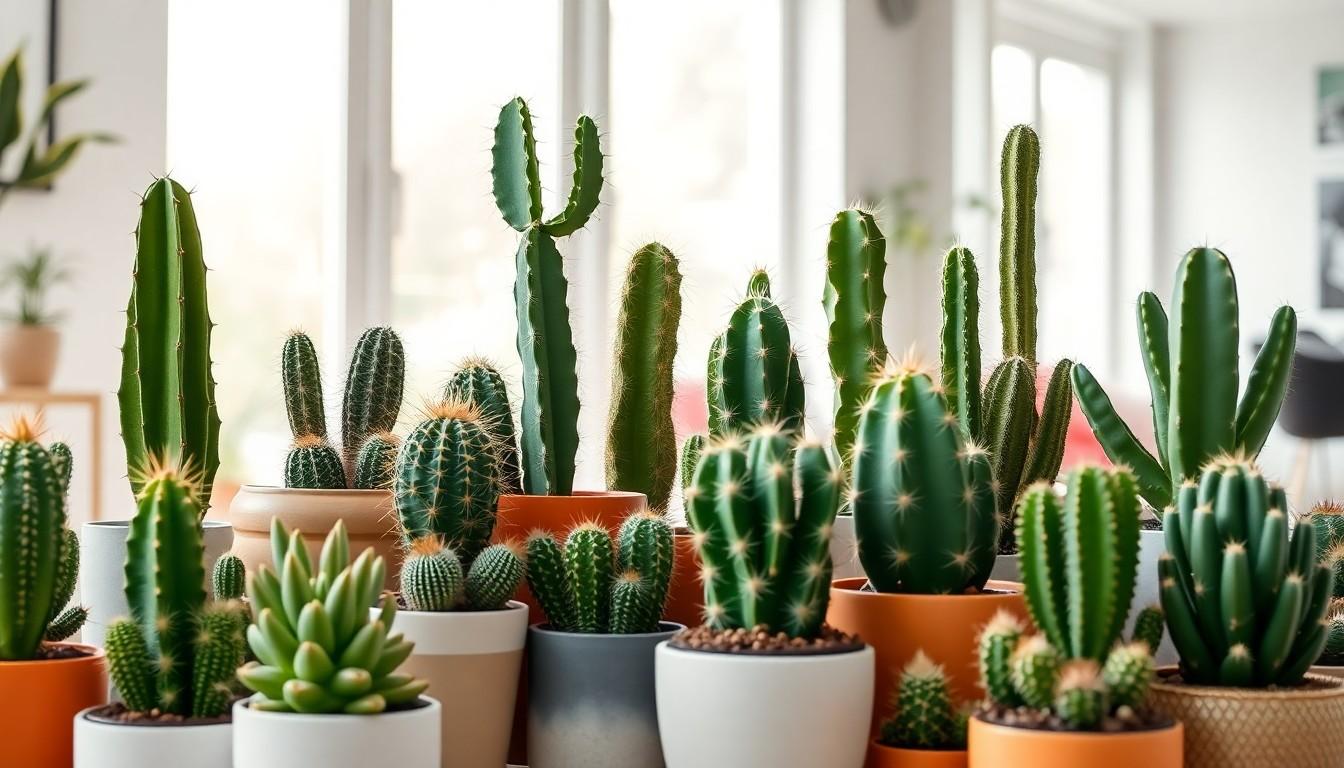
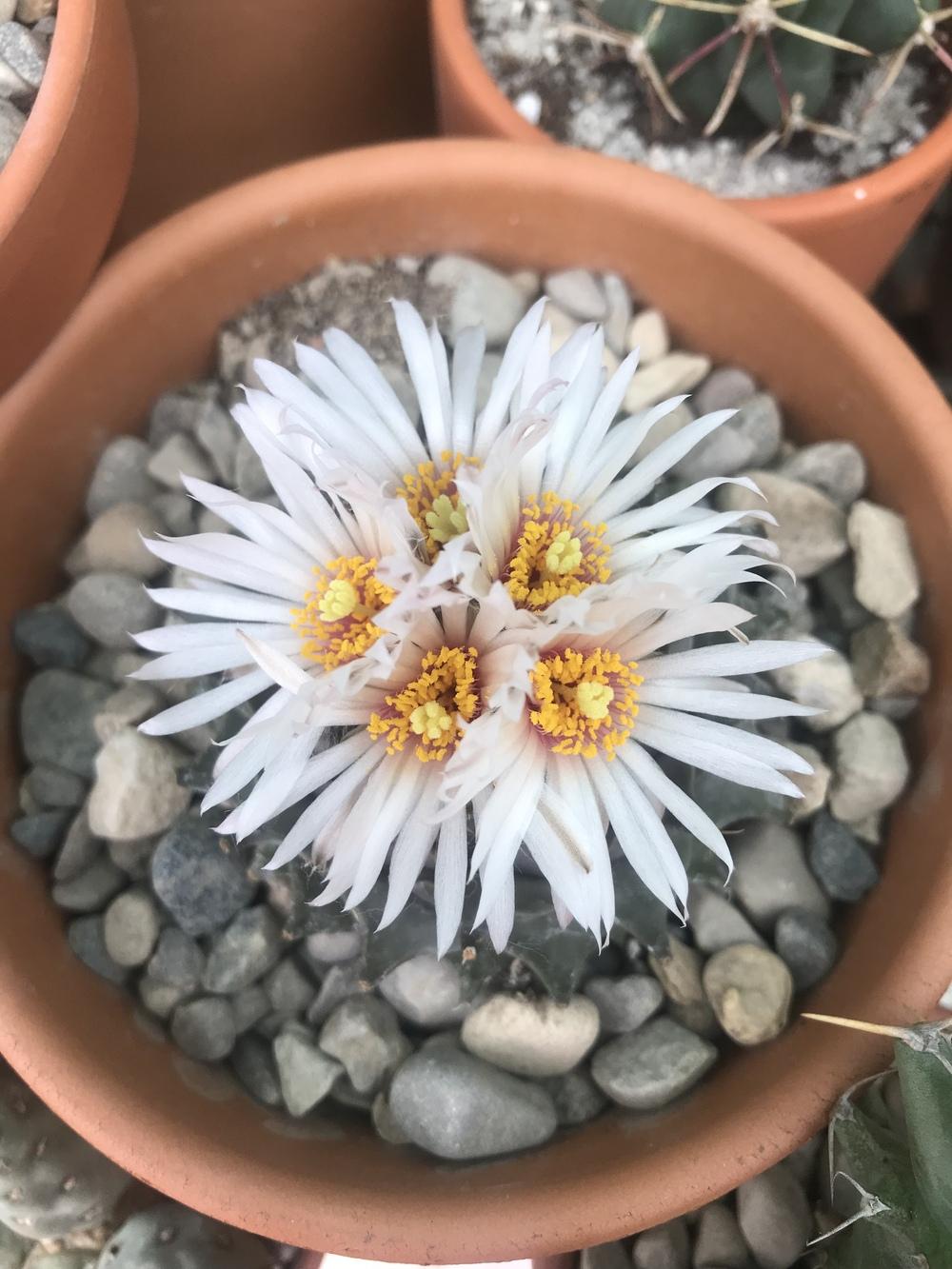
The Astrophytum asteria isn’t just a plant—it’s a statement piece. Its geometric form makes it a natural focal point in any setting. Pair it with complementary textures, like a bed of smooth river stones or a backdrop of terracotta pots, to enhance its sculptural quality. For a modern twist, place it in a minimalist concrete planter. Group it with other slow-growing succulents to create a desert tableau that evolves gracefully over time. And don’t shy away from experimentation—sometimes, the most striking displays come from the most unexpected pairings.
The journey of growing an Astrophytum asteria is one of quiet discovery. It teaches patience, attentiveness, and a deep respect for the rhythms of nature. In return, it offers a living sculpture that grows more captivating with each passing year. Whether you’re drawn to its stark beauty, its resilience, or the challenge of its care, the Star Cactus is a companion worth cherishing. So, roll up your sleeves, gather your tools, and prepare to embark on a horticultural adventure that’s as rewarding as it is enduring.
FAQ
What is the best way to care for an Astrophytum asteria?
Provide bright, indirect light, well-draining soil, and water sparingly, allowing the soil to dry out completely between waterings.
How often should I repot my Star Cactus?
Repot only when the cactus has outgrown its container or the soil has broken down, which is typically every few years.


Leave a Reply