
Short Answer
Ever found yourself staring at a spiky, spherical marvel of the desert, wondering how on earth you’re supposed to keep it alive without losing a finger—or your sanity? Meet the Gymnocalycium, the so-called “chin cactus,” a genus of succulents that’s equal parts charming and confounding. With their ribbed, often flattened globes and delicate flowers, these plants seem to whisper, “I’m easy to love, but can you handle me?” If you’re ready to embrace the challenge, buckle up. This isn’t just another care guide—it’s your survival manual for turning a prickly paradox into a thriving botanical companion.
The Chin Cactus Conundrum: Why Gymnocalycium Stands Out
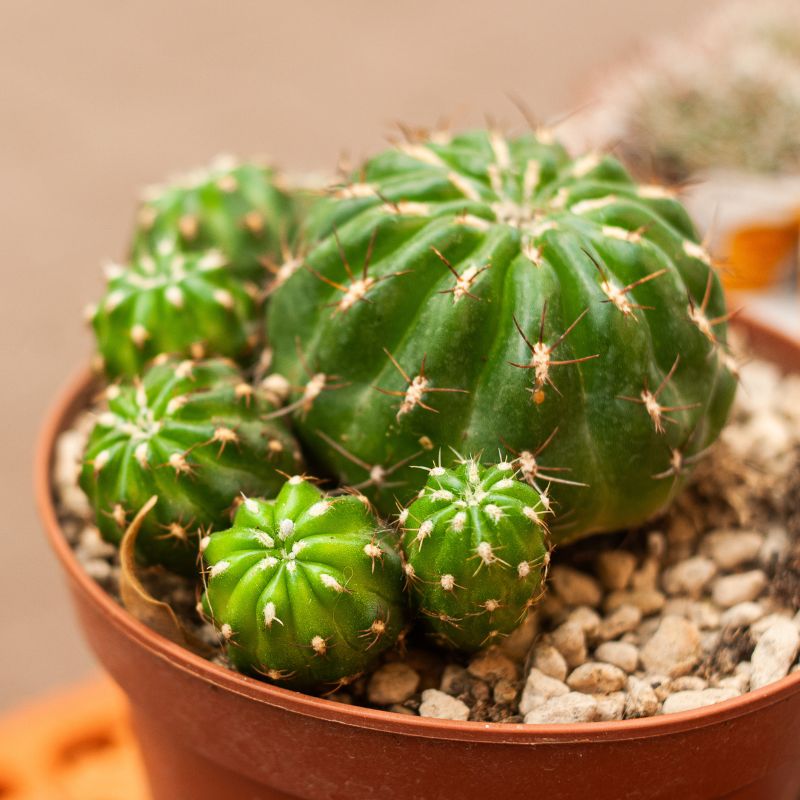
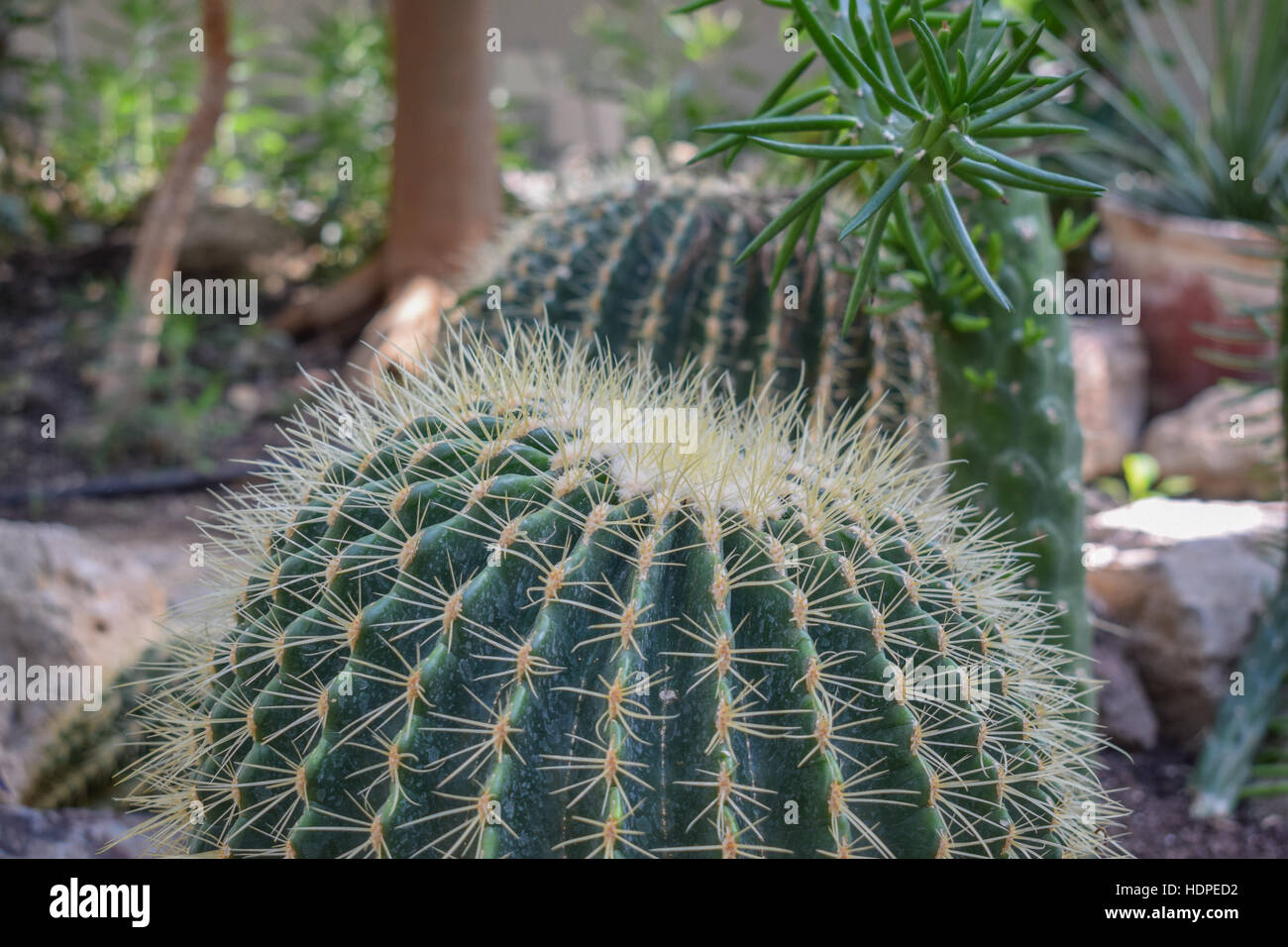
Not all cacti are created equal, and Gymnocalycium is here to prove it. Unlike their more aggressive cousins, these “chin cacti” boast a gentler demeanor, with softer spines and a penchant for understated elegance. Their name, derived from the Greek for “naked” and “head,” hints at their smooth, often spineless crowns—a stark contrast to the bristling sentinels of the Echinocactus or Ferocactus genera. But don’t let their docile appearance fool you. These plants are masterful survivors, thriving in the harsh, sun-baked landscapes of South America’s Andes and lowland regions. Their ability to flatten into a pancake-like shape under stress? Pure evolutionary genius. Yet, in our climate-controlled homes, they demand a delicate balance of light, water, and patience. The question isn’t whether you *can* grow them—it’s whether you’re willing to dance with their idiosyncrasies.
Light: The Delicate Dance of Sun and Shade
Picture this: a Gymnocalycium basking in the full, unfiltered glare of a desert noon. Sounds idyllic, right? Wrong. Too much direct sunlight and your once-vibrant green globe will bleach into a sickly yellow, its ribs puckering like an overcooked marshmallow. Yet, starve it of light, and it stretches into a leggy, etiolated shadow of itself, its once-compact form elongating into a sad, skeletal silhouette. The solution? A sunbeam buffet. These cacti crave bright, indirect light—think the dappled shade of a sparse shrub or the gentle glow of an east-facing windowsill. In the Northern Hemisphere, a south-facing window works wonders, provided you introduce them to direct sun gradually. Rotate your plant every few weeks to ensure even growth, or risk a lopsided “chin” that looks like it’s perpetually leaning in for a gossip. And if you’re growing under artificial lights, aim for 12–14 hours of gentle illumination, mimicking the long days of their native habitat.
Water: The Art of the Subtle Sip
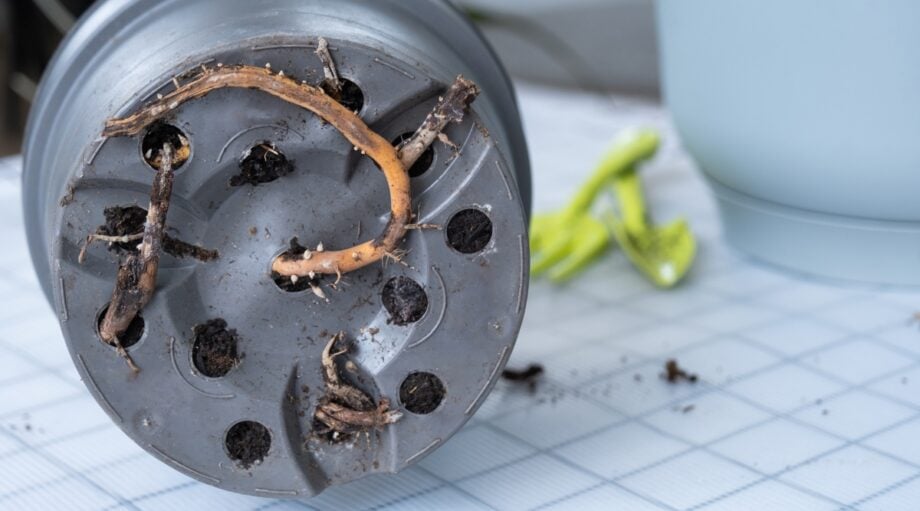
Here’s where things get tricky. Gymnocalycium plants are desert dwellers, yes, but they’re not cacti that can survive a month without water. Their natural cycles follow the rhythm of seasonal rains—brief, intense downpours followed by prolonged drought. Replicating this in captivity requires finesse. The golden rule? Water deeply, then let the soil dry out completely before repeating. But how do you know when it’s time? Stick your finger an inch into the soil. If it’s bone-dry, it’s go-time. If there’s even a hint of moisture, hold off. Overwatering is the silent killer here, leading to root rot and a mushy demise that’s as unceremonious as it is avoidable. In winter, when growth slows to a crawl, cut back to a mere trickle—just enough to prevent the soil from turning into a dusty wasteland. And always, *always* use a pot with drainage holes. These plants may love a challenge, but they draw the line at soggy feet.
Soil: The Foundation of a Happy Chin
Imagine planting a Gymnocalycium in a dense, moisture-retentive potting mix. Now imagine watching it slowly suffocate as its roots rot away. Not a pretty picture, is it? The key to avoiding this botanical tragedy lies in soil that’s as airy as a summer breeze and as well-draining as a sieve. Start with a base of cactus or succulent mix—store-bought is fine, but homemade is better. Blend in perlite, pumice, or coarse sand to the tune of 30–50% of the total volume. For an extra boost of grit, toss in a handful of crushed granite or lava rock. The goal? A substrate that sheds water faster than a scandalous secret. And if you’re repotting, do it in spring, when the plant is primed for growth. Gently remove the old soil, trim any mushy roots, and let the plant dry out for a day or two before nestling it into its new home. Think of it as a spa day—refreshing, rejuvenating, and absolutely essential.
Temperature and Humidity: The Goldilocks Zone
Gymnocalycium plants are thermophilic, thriving in the warm embrace of 70–100°F (21–38°C) during their active growing season. But they’re not fans of extreme heat or cold. Anything below 50°F (10°C) sends them into a state of hibernation, while frost? A death sentence. If you live in a region with harsh winters, bring your cacti indoors before the first chill sets in. Indoors, they’ll tolerate average household humidity, but they’re not fans of the steamy, tropical conditions that send other plants into ecstatic overdrive. Aim for a balance—neither arid like a desert nor clammy like a sauna. A simple hygrometer can be your best friend here, helping you monitor the moisture in the air and adjust as needed. And if your home is drier than a stand-up comedian’s wit, a pebble tray with water can add just enough humidity to keep your Gymnocalycium from feeling like it’s stranded in the Sahara.
Fertilizing: The Secret Sauce for Stellar Growth
You wouldn’t run a marathon on an empty stomach, and your Gymnocalycium feels the same way. While these plants are modest in their nutritional needs, a little boost during the growing season can work wonders. Use a balanced, water-soluble fertilizer—think 10-10-10 or 20-20-20—diluted to half strength. Feed your cactus every 4–6 weeks from spring to early fall, but never when the soil is bone-dry. Over-fertilizing is a fast track to a salt-encrusted disaster, leaving your plant with a crusty, white residue and a case of severe indigestion. If you’re unsure, err on the side of caution. These plants are survivors, after all. They’ll forgive a missed meal far more readily than they’ll tolerate a nutrient overdose.
Pests and Problems: The Unwelcome Guests
Even the hardiest Gymnocalycium can fall prey to uninvited hitchhikers. Mealybugs, scale insects, and spider mites are the usual suspects, lurking in the nooks and crannies of your plant like tiny, malevolent squatters. The first sign of trouble? Sticky residue, webbing, or a white, cottony fuzz. Act fast. Isolate the affected plant, then treat it with a dab of isopropyl alcohol on a cotton swab for localized infestations. For larger outbreaks, a neem oil spray or insecticidal soap can send the pests packing. Prevention is even better. Inspect your plants regularly, especially when bringing new additions into your collection. And always, *always* quarantine new plants for a few weeks before introducing them to your existing green family. Because nothing ruins a chin cactus love affair like a surprise infestation.
Propagation: Growing Your Army of Chins
Why stop at one when you can have a whole army of Gymnocalycium plants? Propagation is easier than you think. The most common method? Offsets, or “pups,” that sprout from the base of the mother plant. Gently twist or cut these off, let them callus over for a day or two, then plant them in a well-draining mix. Keep the soil lightly moist until you see new growth—a sign that your pup has taken root. Seeds are another option, though they require more patience. Sow them in spring, cover lightly with soil, and mist the surface to keep it damp. Place the container in a warm, bright spot, and wait. Germination can take weeks, even months, but the reward—a tiny, perfect cactus—is worth every agonizing second. And if you’re feeling adventurous, try grafting a colorful Gymnocalycium onto a hardy rootstock. The result? A rainbow of hues that looks like it belongs in a sci-fi novel.
Flowering: The Grand Finale
There’s nothing quite like the first time your Gymnocalycium bursts into bloom—a sudden, spectacular display of color that feels like winning the botanical lottery. But flowering doesn’t happen overnight. These plants need maturity, proper light, and a winter rest period to coax out their floral fireworks. In late winter, reduce watering and keep your plant in a cool (50–55°F / 10–13°C) spot for 6–8 weeks. When spring arrives, reintroduce warmth and light, and wait for the magic to happen. The flowers, often white, pink, or red, can last for weeks, their delicate petals unfurling like a secret shared only with the sun. And here’s a pro tip: once the blooms fade, resist the urge to prune. The spent flower can sometimes produce offsets or seeds, giving you another chance to expand your collection.
Final Thoughts: Embracing the Chin Cactus Journey
Growing Gymnocalycium isn’t for the faint of heart. It’s a test of patience, a dance with discipline, and a lesson in restraint. But for those who rise to the challenge, the rewards are immeasurable—a collection of spiky, sun-loving survivors that bring a touch of the wild into your home. So go ahead. Give your chin cactus the love it deserves. Water it when it’s thirsty, shield it from the sun’s wrath, and watch as it transforms from a prickly enigma into a thriving, flowering masterpiece. And remember: every yellowed rib, every leggy stretch, every stubborn refusal to bloom is just part of the journey. After all, the most beautiful stories—and the most resilient plants—are the ones that take time to unfold.
FAQ
What is Gymnocalycium?
Gymnocalycium, commonly known as chin cactus, is a genus of cacti characterized by their spherical shape and soft spines.
How often should I water my Gymnocalycium?
Water your Gymnocalycium deeply and allow the soil to completely dry out before watering again.
What kind of soil is best for Gymnocalycium?
A well-draining cactus or succulent mix is ideal, often enhanced with perlite or coarse sand.


Leave a Reply