
Short Answer
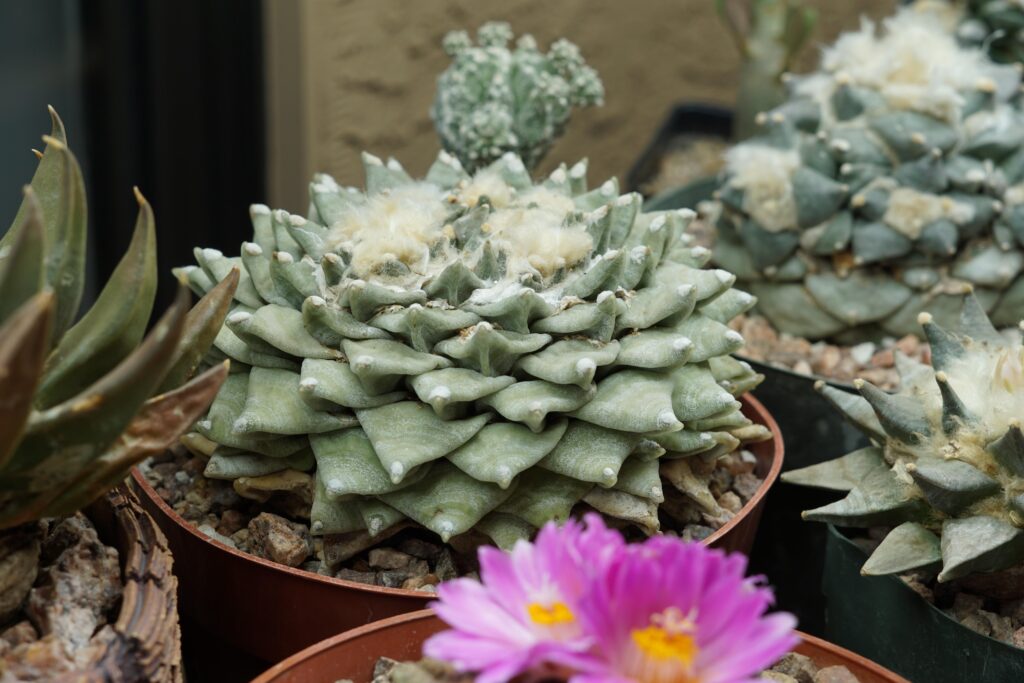
There’s something almost alchemical about watching a seed crack open, its first tentative tendrils unfurling toward the sun. For those drawn to the enigmatic allure of Ariocarpus—those sculptural, slow-growing cacti that seem to defy both time and gravity—the act of sowing seeds is less a horticultural task and more a meditative dialogue with patience itself. These plants, with their geometric rosettes and cryptic, almost extraterrestrial forms, are not for the hasty gardener. They demand an intimate understanding of their rhythms, a willingness to dance with the seasons rather than force them. So when is the best time to sow Ariocarpus seeds? The answer isn’t just a date on a calendar; it’s a symphony of light, temperature, and moisture, each note playing its part in the germination overture.
The Golden Window: Late Winter to Early Spring
The ideal sowing window for Ariocarpus seeds is a narrow, sun-dappled corridor between the tail end of winter and the first blush of spring. This is when the earth, still cool from the embrace of frost, begins to exhale its latent warmth. The seeds, dormant and patient, sense the shift in barometric pressure and the elongation of daylight hours. They know—instinctively—that the time for emergence is near. Sowing in late February or March allows the seeds to capitalize on the gradual warming of the soil, which mimics the natural conditions of their native habitats in the Chihuahuan Desert and other arid regions of Mexico. Too early, and the cold will stunt their progress; too late, and the scorching summer sun may desiccate them before they’ve had a chance to anchor themselves.
But why this particular window? The answer lies in the vernal equinox, that celestial pivot where day and night teeter on balance before daylight claims dominance. For Ariocarpus, this balance is crucial. The seeds require a period of cool stratification—essentially a mimicry of winter’s chill—to break dormancy. Without this cold treatment, their germination rates plummet, leaving gardeners perplexed by their failure. Yet, once this threshold is crossed, the seeds are primed to respond to the increasing light intensity, which triggers the biochemical cascade of sprouting.
The Dance of Light and Shadow
Light is the unseen conductor of this germination ballet. Ariocarpus seeds are photoblastic—meaning their germination is influenced by light exposure. While some seeds require darkness to sprout, these cacti need a delicate balance: enough light to signal the arrival of spring, but not so much that it dries out the delicate emerging radicles. A south-facing windowsill or a greenhouse with diffused sunlight is ideal. Direct, unfiltered sunlight can scorch the tender seedlings, while insufficient light leaves them etiolated, stretching desperately toward the sun like starved sentinels.
This sensitivity to light isn’t just a quirk of their biology; it’s a survival mechanism honed over millennia. In their natural habitats, Ariocarpus seeds often germinate in the shelter of nurse plants or rocky crevices, where dappled light filters through. Replicating this environment in cultivation means providing gentle, indirect light—perhaps under the gauzy canopy of a sheer curtain or the filtered glow of a grow light set to a 12-hour photoperiod. The goal is to mimic the dappled, ever-shifting light of a desert dawn, where the first rays are soft, then intensify as the day progresses.
Temperature: The Invisible Hand
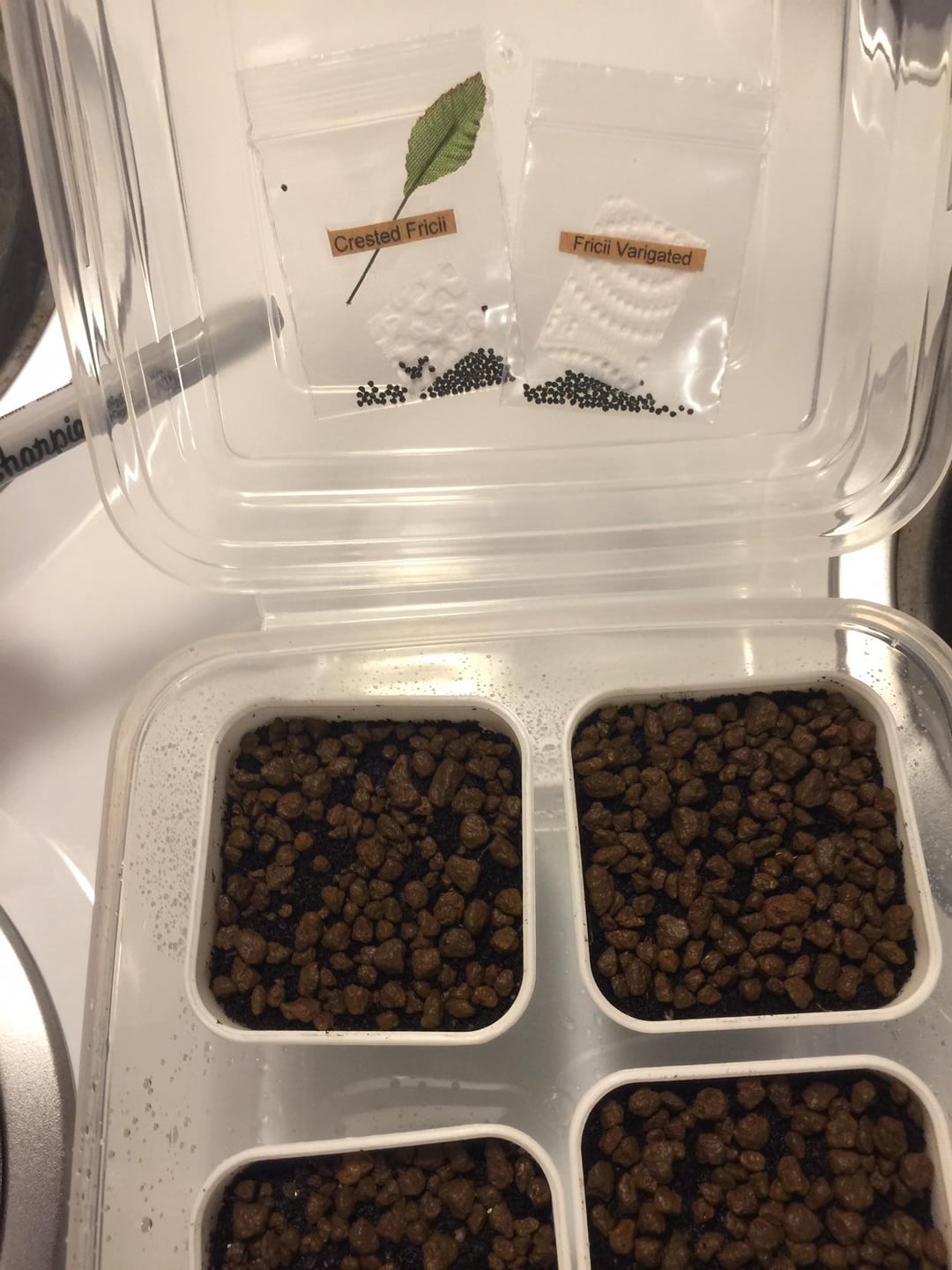
Temperature is the silent puppeteer in the germination saga. Ariocarpus seeds are finicky about warmth, requiring a Goldilocks zone of between 68°F and 75°F (20°C–24°C) to initiate sprouting. Below this range, they languish in a state of suspended animation; above it, they risk thermal shock or desiccation. This is why many growers turn to bottom heat—whether through a seedling heat mat or the gentle warmth of a greenhouse—to maintain consistent soil temperatures. A thermometer placed near the sowing tray becomes an indispensable tool, allowing for real-time adjustments.
The need for precise temperature control reveals a deeper truth about these plants: they are exquisitely attuned to their environment, a trait that makes them both fascinating and formidable to cultivate. In the wild, Ariocarpus species often grow in microclimates where the soil retains moisture just long enough for germination, then dries rapidly to prevent rot. This adaptability is mirrored in cultivation—seeds sown in a mix of coarse sand, perlite, and a smattering of organic matter (like coconut coir) will mimic the well-draining, mineral-rich soils of their native haunts. The key is to keep the medium moist but never soggy, a balance achieved through misting rather than heavy watering.
The Perils of Impatience: Why Slow and Steady Wins
Here’s the paradox of Ariocarpus cultivation: the seeds may sprout in as little as two weeks under ideal conditions, but the real challenge begins afterward. These cacti are notorious for their glacial growth rates. A seedling may take years to develop its first true leaf, let alone the sculptural form that makes the genus so coveted. This glacial pace is not a flaw; it’s a testament to their resilience. In the wild, where water is scarce and predators abound, slow growth is a survival strategy. Each year, the plant conserves energy, building a robust root system before committing to vertical expansion.
For the gardener, this means embracing a philosophy of horticultural patience. It’s tempting to fuss over the seedlings, to coddle them with extra water or fertilizer, but restraint is the watchword. Overwatering is the most common cause of seedling mortality, as it invites rot and fungal infections. Instead, think of the early stages as a period of strategic neglect—allowing the seedlings to fend for themselves, just as they would in their natural habitat. Only when they’ve developed a sturdy taproot and a few millimeters of growth should you consider transplanting them into individual pots.
The Role of Humidity: A Double-Edged Sword
Humidity is another critical factor, one that often trips up even experienced growers. Ariocarpus seeds require high humidity to germinate—typically between 70% and 80%—but this same moisture can become a death sentence if not managed carefully. The solution lies in creating a microclimate within a larger growing area. A clear plastic dome or a humidity dome placed over the seed tray can trap moisture while allowing for ventilation. Once the seeds have sprouted, however, the dome should be gradually removed to acclimate the seedlings to lower humidity levels. This mimics the natural cycle of desert rains followed by arid winds, preparing the young plants for the rigors of life outside their protective enclosure.
The interplay between humidity and temperature is where the magic—and the frustration—of Ariocarpus cultivation truly lies. Too much moisture, and the seeds rot; too little, and they fail to imbibe water. It’s a delicate equilibrium, one that rewards attentiveness but punishes haste. The most successful growers treat their seed trays like a laboratory, monitoring conditions with the precision of a scientist and the reverence of a devotee.
Beyond Germination: The Long Game
Once the seeds have germinated, the real journey begins. These cacti are not for those seeking instant gratification. A seedling may take five to seven years to reach flowering size, and even then, its blooms—often small, star-like, and fleeting—are a reward reserved for the most devoted cultivators. Yet, there’s an undeniable allure to the process. Watching a Ariocarpus seedling transform from a fragile thread of green into a geometric masterpiece is a lesson in the beauty of restraint. It teaches patience, resilience, and the humility of working with nature rather than against it.
The best time to sow Ariocarpus seeds, then, is not just a date on a calendar. It’s a state of mind—a willingness to align with the rhythms of the earth, to observe the subtle shifts in light and temperature, and to trust in the slow, inevitable unfolding of life. In a world that demands instant results, these cacti offer a counterpoint: a reminder that some things are worth waiting for.
FAQ
What is the best time to sow Ariocarpus seeds?
The ideal time to sow Ariocarpus seeds is between late winter and early spring, typically in February or March.
What temperature is required for Ariocarpus seed germination?
Ariocarpus seeds require a temperature between 68°F and 75°F (20°C–24°C) for successful germination.
How long does it take for Ariocarpus seeds to germinate?
Under ideal conditions, Ariocarpus seeds can sprout in as little as two weeks, but growth to flowering size may take five to seven years.

Leave a Reply