

Short Answer
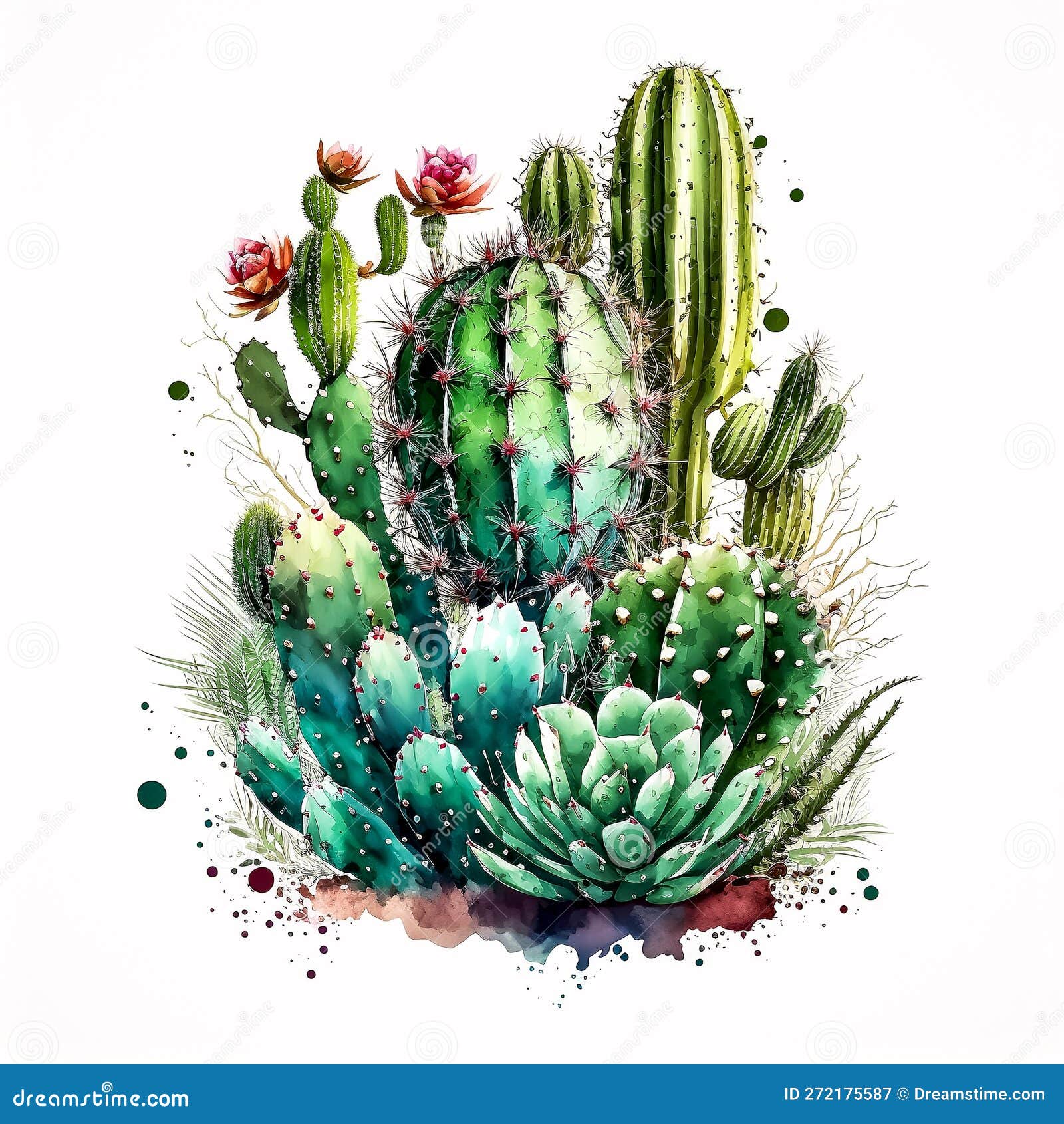
The Ferocactus, a sentinel of the arid Mexican landscapes, is far more than a mere botanical specimen—it is a living emblem of resilience, a silent storyteller of ancient traditions, and a vibrant thread woven into the cultural tapestry of Mexico. This barrel cactus, with its formidable spines and sunburst of flowers, embodies the paradox of fragility and fortitude, a metaphor that has captivated poets, artisans, and communities for centuries. To explore the Ferocactus is to journey through the heart of Mexican symbolism, where the desert’s harsh beauty is not just endured but celebrated, where every thorn and bloom whispers tales of survival, spirituality, and communal identity.
The Ferocactus as a Symbol of Endurance and Adaptation
In the sun-scorched expanses of Mexico’s deserts, where life clings to the edge of existence, the Ferocactus stands as a paragon of adaptation. Its thick, ribbed body, a marvel of evolutionary ingenuity, stores water with the tenacity of a desert nomad, while its deep root system anchors it to the earth like a steadfast guardian. This cactus does not merely survive; it thrives, transforming scarcity into abundance through its ability to bloom in the most inhospitable of seasons. Such resilience has made the Ferocactus a potent symbol of human endurance, a living testament to the idea that strength is not the absence of struggle but the mastery of it. In Mexican folklore, it is often likened to the *mestizo* spirit—mixed, adaptable, and unyielding—a metaphor that resonates deeply in a country shaped by both conquest and cultural fusion.
Floral Splendor: The Ferocactus as a Harbinger of Life and Celebration
When the Ferocactus bursts into bloom, it does so with a flamboyance that defies its austere surroundings. The vibrant rings of yellow, red, or pink flowers that crown its crown are not merely decorative; they are a defiant declaration of life’s persistence. In many indigenous traditions, these blooms are associated with the *Día de los Muertos*, where their ephemeral beauty mirrors the fleeting nature of existence. Yet, they also symbolize rebirth, their radiant hues a stark contrast to the monochrome desert, much like the joy that punctuates life’s sorrows. The Ferocactus, in full floral regalia, becomes a living altar to the cyclical nature of time, a reminder that even in the most barren landscapes, life finds a way to flourish.
Cultural Rituals and the Ferocactus in Indigenous Traditions
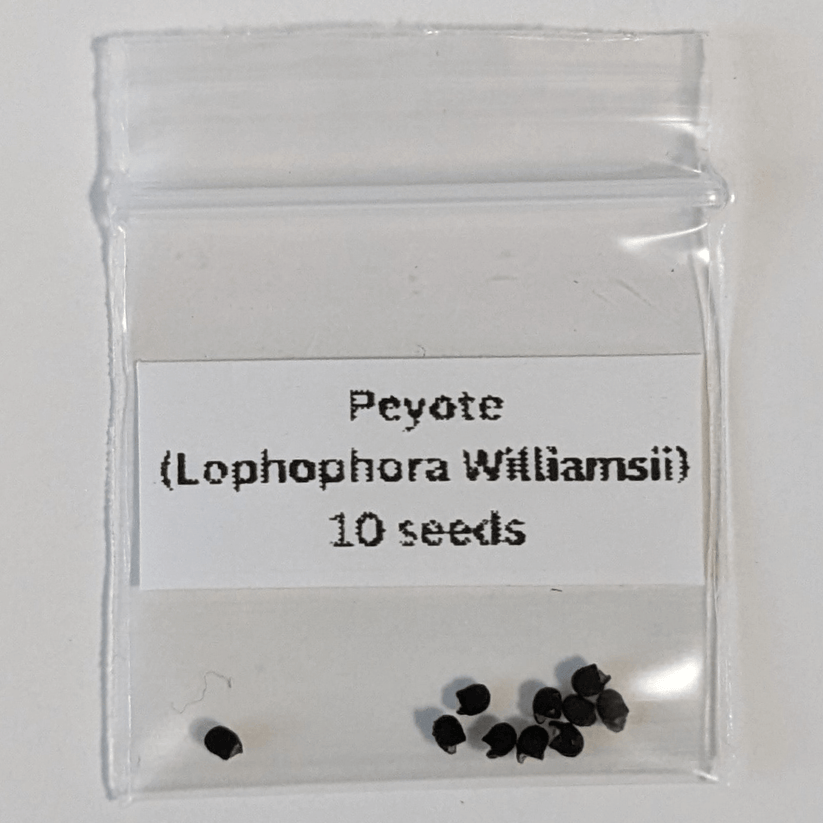
For centuries, the Ferocactus has been interwoven into the sacred rituals of Mexico’s indigenous peoples. The Seri people of Sonora, for instance, have long revered the cactus for its practical and spiritual value. Its fruit, *bisnaga*, is a delicacy harvested with reverence, its sweet pulp a gift from the earth. But beyond sustenance, the Ferocactus holds a place in healing ceremonies, its spines used in rituals to ward off evil spirits, and its sap employed in traditional medicine. The cactus is not just a plant; it is a participant in the sacred dialogue between humans and the natural world. In the Huichol tradition, the Ferocactus is sometimes linked to the *peyote* cactus, a sacred plant used in visionary rituals, further cementing its role as a bridge between the mundane and the divine.
The Ferocactus in Art and Craftsmanship: A Muse of Creativity
The allure of the Ferocactus extends beyond the desert and into the realm of art, where its striking silhouette and vibrant hues have inspired generations of artisans. In Mexican folk art, particularly in the *alebrijes* of Oaxaca, the cactus often appears as a stylized motif, its spines transformed into the whimsical forms of mythical creatures. Its geometric patterns, echoed in the intricate embroidery of *tenango* textiles, serve as a visual language that speaks to the interconnectedness of nature and human creativity. Even in modern art, the Ferocactus is a recurring muse, its stark beauty a counterpoint to the chaos of urban life. Painters and sculptors alike are drawn to its paradoxical nature—both fierce and fragile, ancient and ever-present.
Metaphorical Resonance: The Ferocactus as a Mirror to Human Experience
To study the Ferocactus is to gaze into a mirror that reflects the complexities of human existence. Its spines, sharp and unyielding, evoke the barriers we construct to protect ourselves, while its inner flesh, succulent and life-sustaining, reminds us of the vulnerability that lies beneath. The cactus’s ability to thrive in adversity mirrors the human capacity for resilience, its blooms a celebration of joy amid hardship. In Mexican literature, the Ferocactus often serves as a metaphor for the *mestiza* identity—rooted in tradition yet adaptable, beautiful yet thorny, a symbol of a culture that has endured colonization, revolution, and globalization while retaining its essence. It is a plant that teaches us that strength is not the absence of pain but the ability to bloom despite it.
Ecological Significance and the Ferocactus in Modern Mexico
Beyond its cultural symbolism, the Ferocactus plays a crucial ecological role in Mexico’s desert ecosystems. As a keystone species, it provides shelter and sustenance for a myriad of desert dwellers, from insects to birds. Its deep roots help prevent soil erosion, and its flowers support pollinators in a landscape where every interaction is vital. Yet, this ecological guardian faces threats from urbanization, climate change, and overharvesting. Conservation efforts in Mexico are increasingly recognizing the Ferocactus not just as a plant but as a cultural and ecological treasure. Programs aimed at sustainable harvesting and habitat restoration are ensuring that this symbol of resilience continues to thrive, a living legacy for future generations.
The Ferocactus in Folklore and Contemporary Storytelling
In the oral traditions of Mexico, the Ferocactus often takes on a mythic dimension. Some legends portray it as a guardian of hidden treasures, its spines a deterrent to those who would plunder the desert’s secrets. Others tell of its role in tales of transformation, where a humble traveler is rewarded for their respect of the cactus’s boundaries by being granted wisdom or protection. In contemporary storytelling, the Ferocactus appears in children’s books and eco-fiction, where it serves as a symbol of environmental stewardship. Its presence in modern narratives underscores its enduring relevance, a plant that continues to inspire awe and introspection in an ever-changing world.
Conclusion: The Ferocactus as a Living Emblem of Mexican Identity
The Ferocactus is more than a plant; it is a cultural artifact, a spiritual guide, and an ecological cornerstone. Its symbolism is as layered as the desert sands, its beauty as enduring as the mountains that cradle it. From the rituals of indigenous communities to the canvases of modern artists, from the pages of folklore to the forefront of conservation efforts, the Ferocactus remains a steadfast emblem of Mexican identity—a reminder that even in the harshest of environments, life, culture, and meaning flourish with unyielding grace. To understand the Ferocactus is to understand the soul of Mexico itself: resilient, vibrant, and beautifully complex.
FAQ
What does the Ferocactus symbolize in Mexican culture?
The Ferocactus symbolizes resilience, endurance, and adaptation, reflecting the struggles and triumphs of the Mexican spirit.
How is the Ferocactus used in indigenous rituals?
Indigenous peoples use the Ferocactus in various rituals, including healing ceremonies and as a food source, emphasizing its spiritual and practical significance.
What is the ecological role of the Ferocactus?
The Ferocactus serves as a keystone species in desert ecosystems, providing habitat and food for various animals, while also preventing soil erosion.



Leave a Reply