

Short Answer
The Ferocactus, a genus of barrel cacti, stands as a sentinel of resilience in the arid landscapes it calls home. With their ribbed, globular forms and vibrant spines, these cacti are not merely survivors—they are botanical marvels, embodying the tenacity of life in some of Earth’s most unforgiving terrains. Yet, beneath their stoic exteriors lies a question that lingers like a desert mirage: Are these prickly titans endangered? To unravel this mystery, we must venture into the heart of their natural habitats, explore the pressures they face, and celebrate the efforts to safeguard their future.
The Ferocactus: A Portrait of Prickly Perseverance
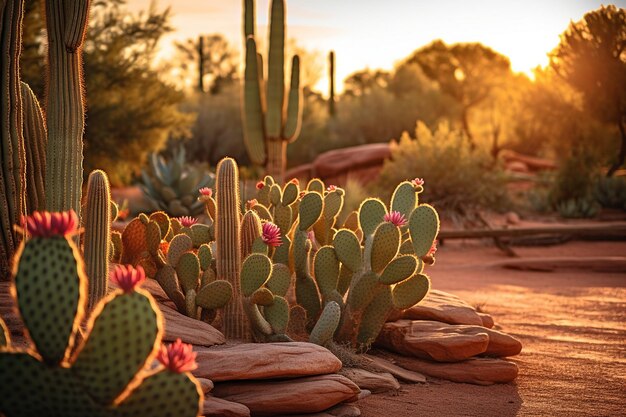
Imagine a sentinel standing guard over the sun-scorched expanses of the Sonoran and Chihuahuan Deserts, its silhouette etched against the blazing horizon. The Ferocactus, often referred to as the “giant barrel cactus,” is a botanical colossus, capable of reaching heights that rival a human’s stature. Its ribs, like the pleats of an ancient accordion, expand and contract with the rhythm of seasonal rains, storing water with the precision of a miser hoarding gold. The spines—stout, hooked, and sometimes bristling with a ferocity that belies their purpose—serve as both armor and a canvas for the desert’s ephemeral artistry.
What makes the Ferocactus truly extraordinary is its role as a keystone species. In the harsh desert ecosystem, it is a watering hole, a nesting site, and a buffet for creatures great and small. Birds weave nests in its protective embrace, insects burrow into its flesh, and mammals, from jackrabbits to bighorn sheep, rely on its moisture during the cruelest months. To lose the Ferocactus would be to unravel the delicate tapestry of life that thrives in its shadow—a ripple effect that could reshape entire desert communities.
The Shadow of Decline: Threats Lurking in the Sands
Yet, even the most resilient of species are not immune to the encroaching specters of modernity. The Ferocactus faces a gauntlet of threats, each as insidious as the last. Habitat destruction, the silent assassin of biodiversity, carves through the desert like a blade, converting vast stretches of land into agricultural plots, urban sprawl, or mining operations. The relentless march of human progress leaves little room for the slow, deliberate growth of these cacti, which may take decades to mature.
Climate change, the great disruptor of ecosystems, casts a long, ominous shadow over the Ferocactus’s future. Prolonged droughts, scorching temperatures, and erratic rainfall patterns disrupt the delicate balance of their life cycles. A cactus that once thrived in predictable rhythms now finds itself adrift in a sea of climatic uncertainty. The delicate dance of pollination, reliant on specific insects and seasonal cues, becomes a gamble with ever-dwindling odds.
Illegal harvesting poses another existential threat. The Ferocactus’s striking appearance has made it a coveted specimen in the horticultural trade, where collectors pay premium prices for rare or unusually shaped specimens. Poaching, often clandestine and unchecked, strips the desert of its living treasures, leaving behind scars that may take generations to heal. Even well-intentioned enthusiasts, unaware of the ecological cost, contribute to the depletion of wild populations.
The Conservation Crusade: Guardians of the Golden Barrel
Fortunately, the story of the Ferocactus is not one of inevitable decline but of resilience and rebirth, thanks to the tireless efforts of conservationists, researchers, and local communities. Protected areas, such as national parks and reserves, serve as sanctuaries where these cacti can flourish undisturbed. In these havens, rangers patrol the land, warding off poachers and invasive species, while scientists study the intricate web of relationships that sustain the Ferocactus and its neighbors.
Reintroduction programs offer a glimmer of hope for populations that have been decimated by habitat loss. By cultivating Ferocactus in nurseries and carefully transplanting them into restored habitats, conservationists are breathing new life into ecosystems that once teetered on the brink. These efforts are not merely about saving a single species; they are about restoring the balance of an entire desert biome, where every organism plays a vital role.
Community engagement is another cornerstone of conservation. Indigenous groups, whose ancestral lands overlap with Ferocactus habitats, are often the first line of defense against exploitation. By integrating traditional ecological knowledge with modern conservation strategies, these communities become stewards of their land, ensuring that the Ferocactus is not just preserved but celebrated as a cultural and ecological treasure.
The Ripple Effect: Why the Ferocactus Matters
To understand the true significance of the Ferocactus, one must look beyond its spines and ribs. This cactus is a living barometer of environmental health, a harbinger of the desert’s well-being. Its decline is not an isolated tragedy but a warning sign of broader ecological collapse. When the Ferocactus falters, the birds that nest in its arms, the insects that pollinate its flowers, and the mammals that drink its stored water all suffer in tandem.
Moreover, the Ferocactus is a symbol of adaptation, a testament to life’s ability to thrive in the most inhospitable of environments. In a world grappling with climate change and biodiversity loss, the lessons of the Ferocactus are invaluable. It teaches us that survival is not about brute strength but about ingenuity, patience, and harmony with one’s surroundings. By protecting the Ferocactus, we are not just saving a plant—we are safeguarding a philosophy of resilience.
The Ferocactus also holds a mirror to our relationship with nature. Its prickly exterior challenges us to see beyond the superficial, to recognize the beauty and complexity that lie beneath. In a society that often prioritizes convenience over conservation, the Ferocactus reminds us that true value is not measured in dollars or expedience but in the quiet, enduring presence of life itself.
A Call to Action: How You Can Be a Guardian of the Desert
The fate of the Ferocactus is not sealed. It is a story still being written, and every one of us has a role to play in its narrative. Supporting conservation organizations, whether through donations or volunteer work, amplifies the efforts of those on the front lines of preservation. Advocating for policies that protect desert ecosystems ensures that these habitats remain intact for generations to come.
For those who cultivate Ferocactus in their gardens, the responsibility is twofold: to admire their beauty without contributing to their exploitation in the wild. Opt for nursery-grown specimens, and resist the temptation to remove cacti from their natural habitats. Education is another powerful tool—sharing the story of the Ferocactus with others fosters a deeper appreciation for the desert and its inhabitants.
The Ferocactus is more than a plant; it is a living emblem of endurance, a guardian of the golden sands, and a reminder of nature’s quiet power. To protect it is to protect the soul of the desert—a soul that, if nurtured, will continue to inspire awe and wonder for centuries to come.
FAQ
What are the main threats to Ferocactus species?
The main threats include habitat destruction, climate change, and illegal harvesting.
How are conservationists protecting Ferocactus?
Conservationists are protecting Ferocactus through the establishment of protected areas, reintroduction programs, and community engagement.


Leave a Reply