
Short Answer
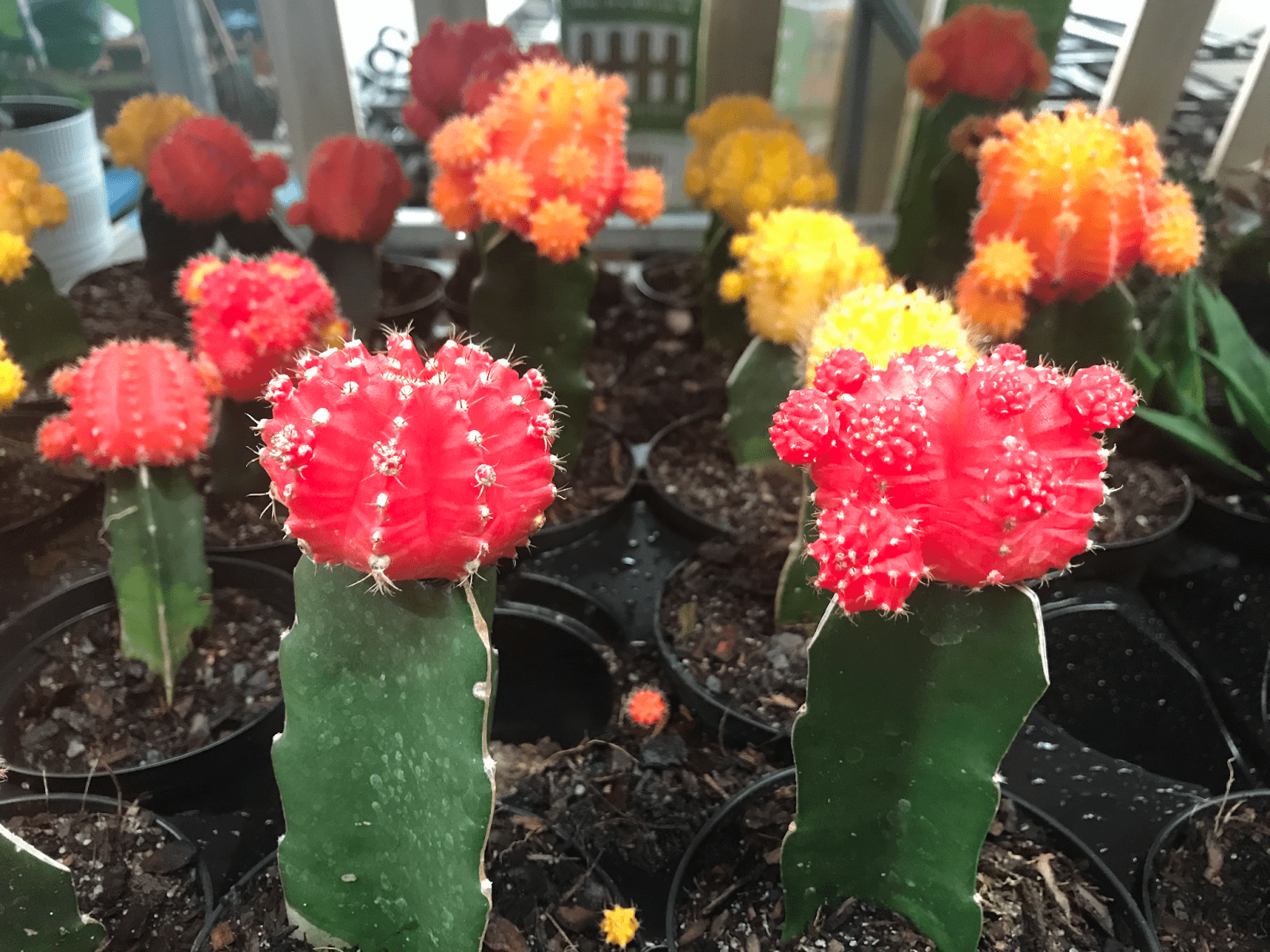
In the arid tapestry of the cactus world, where spines stand guard like sentinels against the relentless sun, the Gymnocalycium genus emerges as a paradox of resilience and subtlety. These globular gems, often cloaked in hues of emerald, silver, or even blush pink, defy the stereotype of the sun-loving desert dweller. Instead, they whisper a quieter truth: that even in the harshest of climates, there exists a delicate balance between light and shade, a dance as intricate as the ribs that spiral across their bodies. To understand the light requirements of Gymnocalycium is to unravel a story of adaptation, where partial shade becomes not a compromise, but a sanctuary, and full sun a test of endurance. This is not merely a guide to cultivation—it is an ode to the quiet strength of these understated botanical wonders.
The Dual Nature of Light: A Cactus’s Silent Dialogue
Light is the lifeblood of all photosynthetic beings, yet for Gymnocalycium, it is more than a mere source of energy—it is a language. These cacti, native to the rocky outcrops and high-altitude plains of South America, have evolved to interpret sunlight not as an absolute ruler, but as a variable force. In their natural habitats, they are often found nestled in the crevices of cliffs or beneath the dappled canopy of sparse shrubs, where the sun’s intensity is tempered by the earth’s embrace. This partial shade is not a sign of weakness, but a strategic retreat, a way to conserve moisture and prevent the scorching that would otherwise turn their tender tissues to parchment.
Yet, the Gymnocalycium is no shrinking violet. When given the chance, it will stretch its ribs toward the light, basking in the golden rays of morning sun. The key lies in the rhythm of exposure: a few hours of direct light, followed by the respite of dappled shade, mimics the natural ebb and flow of its environment. Too much sun, and the cactus will protest with a blush of red or yellow, a desperate plea for mercy. Too little, and it will etiolate, its once-plump form stretching into a gaunt silhouette of its former self. The Gymnocalycium thrives in this liminal space, where light is neither tyrant nor stranger, but a familiar partner in its slow, deliberate growth.
The Allure of Partial Shade: A Cactus’s Velvet Cloak
Partial shade is the Gymnocalycium’s preferred attire, a velvet cloak woven from the threads of filtered sunlight. In this setting, the cactus can indulge in photosynthesis without the risk of dehydration or sunburn. The dappled light that filters through the leaves of overhanging branches or the lattice of a rock crevice creates a microclimate where temperature fluctuations are gentle, and humidity lingers like a secret. Here, the cactus can focus on what it does best: growing slowly, steadily, its ribs deepening with age, its colors intensifying like a painter’s palette left too long in the sun.
But partial shade is more than a practical choice—it is an aesthetic one. In this environment, the Gymnocalycium reveals its true character. The spines, often overlooked in the glare of full sun, become delicate works of art, their hues ranging from ivory to deep amber. The body of the cactus, freed from the stress of excessive light, can develop a lustrous sheen, its surface smooth as polished stone. Even the areoles—the small, woolly clusters from which spines emerge—take on a plush appearance, as if the cactus itself has chosen to dress in the softest of fabrics.
For the cultivator, partial shade offers a canvas for creativity. By experimenting with the angle and intensity of light, one can coax out subtle variations in color and form. A cactus grown in bright but indirect light may develop a deeper green, while one in dappled shade might blush with hints of pink or purple. This interplay of light and shadow is not just a technical consideration—it is a celebration of the cactus’s unique personality, a way to highlight its understated elegance.
Full Sun: The Crucible of Resilience
To subject a Gymnocalycium to full sun is to place it in a crucible, a test of its innate fortitude. In the wild, these cacti are not strangers to intense light, but they are rarely exposed to it for prolonged periods. Instead, they rely on the buffering effect of their surroundings—rocks, shrubs, or the gentle slope of a hill—to diffuse the sun’s rays. When cultivated in full sun, the Gymnocalycium must adapt or perish. And adapt it does, though not without consequence.
The most immediate response to full sun is a change in color. The cactus’s epidermis, normally a cool green, may darken to a deep emerald or even a muted brown, as if tanned by the relentless rays. This is a protective mechanism, a way to shield the delicate chlorophyll beneath from the sun’s harshest wavelengths. In some species, the spines may also darken, their once-pale hues deepening to a rich copper or bronze. This transformation is not merely cosmetic—it is a survival strategy, a way to reduce water loss and prevent sunburn.
Yet, full sun is not without its risks. Without the buffering effect of partial shade, the Gymnocalycium is vulnerable to dehydration, its ribs shrinking as it draws on its internal reserves. The spines, though protective, can become brittle, snapping under the slightest pressure. And in the most extreme cases, the cactus may develop unsightly brown or white patches, the telltale signs of sun damage. For the cultivator, full sun is a gamble—a way to push the cactus to its limits, but one that requires vigilance and a willingness to intervene at the first sign of distress.
The Art of Balance: Crafting the Perfect Light Regimen
Mastering the light requirements of Gymnocalycium is less about rigid rules and more about attunement. These cacti do not thrive in the extremes of all-day sun or perpetual shade; they flourish in the sweet spot between the two. The key is to observe, to listen to the cactus’s silent cues. A cactus that is stretching toward the light may need more sun, while one that is bleaching or wrinkling may be begging for respite. The cultivator’s role is not to dictate, but to facilitate, to create an environment where the cactus can express its natural tendencies.
One approach is to mimic the cactus’s natural habitat. In the wild, Gymnocalycium species are often found in regions with high diurnal temperature swings, where the sun’s intensity varies dramatically between dawn and dusk. By replicating this rhythm—providing bright but indirect light during the day and cooler, shaded conditions at night—you can encourage healthy growth without the risk of stress. A south-facing windowsill with a sheer curtain, or a greenhouse with adjustable shade cloths, can provide the perfect balance of light and shade.
Another consideration is the cactus’s age. Young Gymnocalycium seedlings are more sensitive to light, requiring the gentle embrace of partial shade until they have developed a sturdy epidermis. As they mature, they can tolerate more sun, though even then, a period of acclimatization is wise. Think of it as a rite of passage, a way for the cactus to prove its resilience before being granted the full glory of the sun’s rays.
The Aesthetic Payoff: A Cactus in Its Prime
When the light requirements of Gymnocalycium are met with care and intention, the results are nothing short of breathtaking. These cacti, often dismissed as unremarkable in their youth, transform into living sculptures under the right conditions. Their ribs deepen, their colors intensify, and their spines become a symphony of texture and hue. A well-cultivated Gymnocalycium is a study in contrasts: the softness of its woolly areoles against the sharpness of its spines, the vibrant green of its body against the muted tones of its pot, the stillness of its form against the ever-changing play of light and shadow.
For the collector, these cacti offer a unique opportunity to explore the interplay of light and form. A collection of Gymnocalycium species, each grown under slightly different light conditions, becomes a living gallery, a testament to the diversity of the genus. Some may glow with a subtle pink blush, while others wear a cloak of deep green. Some may stand proud and upright, their ribs radiating from the center, while others sprawl lazily, their bodies hugging the soil like a contented cat. Each one is a masterpiece, shaped not just by the hands of the cultivator, but by the silent dialogue between plant and light.
The true appeal of Gymnocalycium lies in its ability to surprise. In a world where cacti are often reduced to caricatures of toughness, these globular wonders reveal a softer, more nuanced side. They are not the sun-worshippers of the desert, nor the shade-dwellers of the forest floor. Instead, they are the diplomats of the plant world, negotiating the delicate balance between light and shade with grace and resilience. To grow them is to engage in a silent conversation, a dialogue that unfolds not in words, but in the quiet language of growth and adaptation.
FAQ
What is the optimal light condition for Gymnocalycium cacti?
Gymnocalycium cacti prefer partial shade, which helps prevent dehydration and sunburn.
Can Gymnocalycium cacti survive in full sun?
Yes, but they require careful monitoring and acclimatization to avoid stress and damage.

Leave a Reply