
Short Answer
Cacti, those resilient sentinels of the arid landscapes, have captivated gardeners and botanists alike with their striking forms and tenacious survival strategies. Yet, their light requirements remain a subject of frequent confusion. Do they bask in the relentless glare of full sun, or do they thrive in the dappled embrace of partial shade? The answer, as with many botanical conundrums, is not a simple binary but a spectrum of adaptations. This guide delves into the nuanced light preferences of cactus genera, illuminating the path to cultivating these desert jewels with precision and passion.
The Solar Spectrum: Decoding Full Sun for Cacti
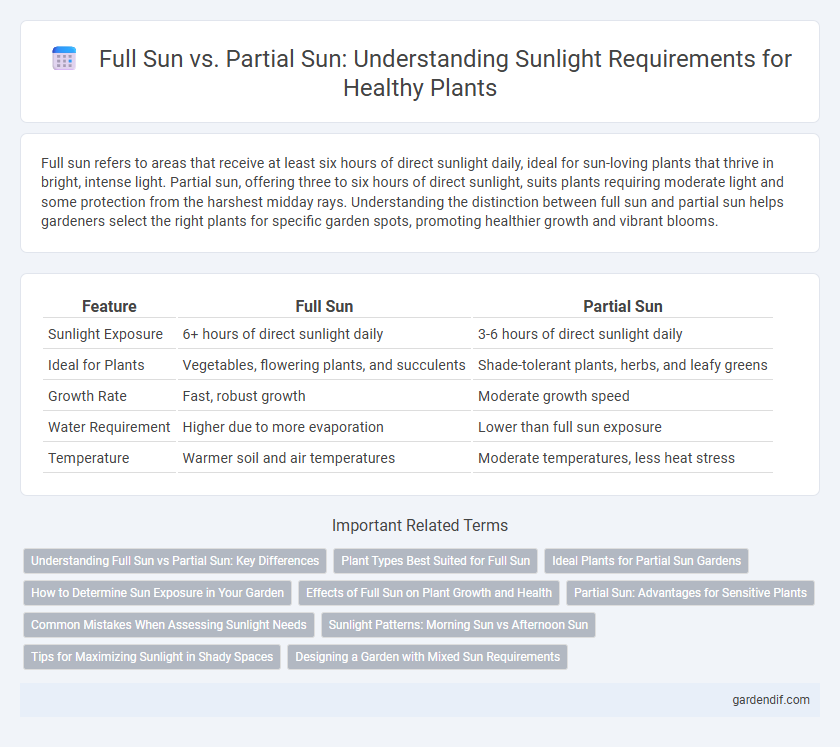
Full sun, typically defined as six or more hours of direct sunlight daily, is the lifeblood of many cactus species. These are the sun-worshippers of the plant kingdom, their thick, waxy skins and ribbed structures evolved to maximize photosynthesis while minimizing water loss. Genera like Echinocactus, with its iconic golden barrel shape, and Ferocactus, the fierce “barrel cactus,” thrive under these conditions. Their spines, far from mere ornamentation, serve as natural sunshades, casting micro-shadows that protect the plant’s surface from scorching.
Yet, full sun is not universally benevolent. In regions with intense midday heat, even these sun-loving species may require respite. The key lies in observing their native habitats. For instance, Saguaro cacti, icons of the Sonoran Desert, endure blistering sunlight but often grow beneath nurse trees that provide intermittent shade. This symbiotic relationship underscores a critical principle: while full sun is essential, it must be tempered by the plant’s natural adaptations and environmental context.

Partial Shade: A Balancing Act for Delicate Species
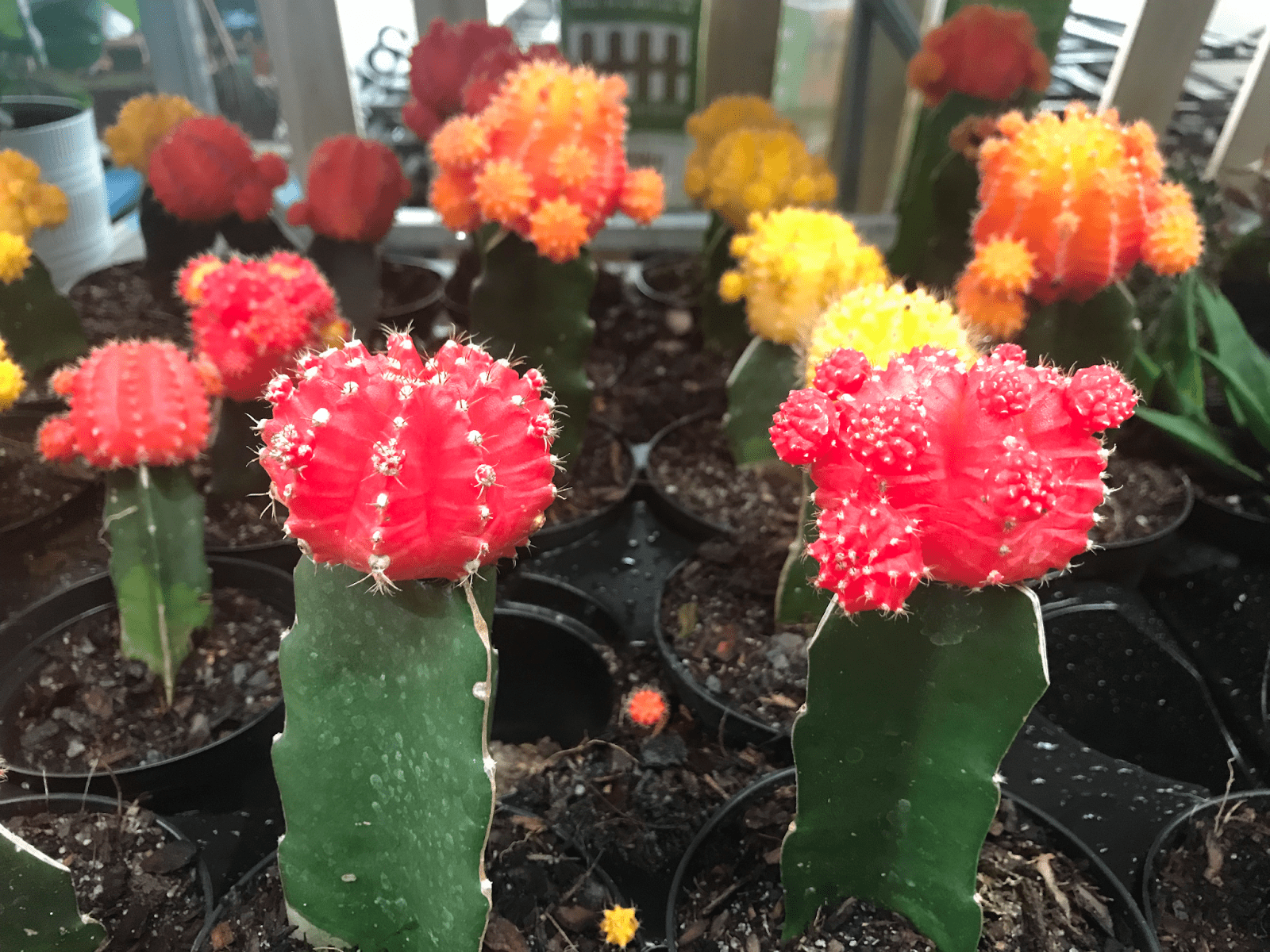
Not all cacti are built for the furnace of full sun. Some genera, such as Mammillaria and Gymnocalycium, hail from regions where dappled light filters through rocky outcrops or sparse vegetation. These species often exhibit softer, more delicate spines and a less pronounced ribbing, adaptations that make them susceptible to sunburn in harsh conditions. Partial shade—typically three to six hours of sunlight, often during the cooler morning hours—provides the ideal compromise, allowing photosynthesis to occur without overheating.
Partial shade is particularly crucial for juvenile cacti, whose tender tissues are more vulnerable to desiccation. A young Epiphyllum, for example, may languish under full sun but flourish when shielded by the canopy of a larger plant. Similarly, Schlumbergera, the Christmas cactus, thrives in bright but indirect light, its flattened stems evolving to capture light efficiently in the understory of tropical forests. Understanding these nuances ensures that even the most shade-tolerant cacti receive the light they need without the risk of damage.

The Gray Area: Partial Sun and Its Subtleties
Between the extremes of full sun and partial shade lies a liminal zone: partial sun. This condition, characterized by bright but indirect light for most of the day, is a boon for many cacti that cannot tolerate the intensity of full sun but still require more light than partial shade can provide. Genera like Opuntia, the prickly pear, often fall into this category. Their flat, paddle-like pads are adept at capturing sunlight, but prolonged exposure to harsh rays can lead to sunburn or etiolation—stretching and weakening of the plant.
The distinction between partial sun and partial shade is subtle but significant. Partial sun implies a higher light intensity, often with some direct sunlight, while partial shade suggests more filtered light. For gardeners, this means positioning cacti in locations where they receive morning sun and afternoon shade, or vice versa, depending on the local climate. In temperate zones, east-facing exposures are ideal, while in hotter regions, a west-facing spot with afternoon shade may be preferable. This careful placement ensures that cacti receive the light they need without the risk of overheating.

Genera-Specific Light Requirements: A Taxonomic Tour
To cultivate cacti successfully, one must adopt a genus-by-genus approach, tailoring light conditions to each species’ evolutionary history. The Echinopsis genus, for example, includes both sun-loving species like Echinopsis pachanoi (San Pedro cactus) and shade-tolerant varieties like Echinopsis chamaecereus (peanut cactus). Similarly, the Lobivia genus spans high-altitude species that bask in full sun and lower-elevation varieties that prefer partial shade. Researching the specific needs of each genus is essential, as generalizations can lead to cultural mismatches.
For collectors, this taxonomic diversity is a source of endless fascination. A greenhouse housing Rebutia alongside Carnegiea (the saguaro) might seem like an odd pairing, but understanding their light requirements allows for harmonious cohabitation. Rebutia, with its compact, globular form, thrives in bright but indirect light, while the saguaro, a towering giant of the desert, demands full sun. By grouping plants with similar needs, gardeners can create microclimates that cater to each species’ preferences.

Practical Tips for Light Management
Implementing the right light conditions for cacti requires more than just placing them in a sunny window. For indoor growers, south-facing windows are ideal for full-sun species, while east or west-facing windows provide the gentler light needed for partial sun or shade. Supplemental grow lights can be invaluable, especially during shorter days or in regions with limited sunlight. LED grow lights, with their customizable spectra, allow for precise control over light intensity and duration.
Outdoor cultivation demands a keen eye for seasonal changes. In summer, full-sun cacti may need temporary shading during heatwaves, while in winter, they can tolerate (and often require) more direct sunlight to prevent etiolation. Shade cloths, strategically placed, can modulate light intensity without sacrificing the benefits of natural sunlight. For gardeners in humid climates, ensuring good air circulation is also critical, as stagnant air can exacerbate fungal issues in shaded conditions.

Common Pitfalls and How to Avoid Them
One of the most frequent mistakes in cactus cultivation is assuming that all species have identical light requirements. Overwatering, a common consequence of misjudging light conditions, can be just as damaging as insufficient light. Full-sun cacti in partial shade may grow leggy and weak, while shade-tolerant species in full sun can develop unsightly burn marks or bleached patches. Regular observation is key: healthy cacti exhibit vibrant coloration, firm tissues, and steady growth, while stressed plants may show signs of discoloration, softness, or stunted development.
Another pitfall is neglecting the role of acclimatization. Sudden changes in light intensity—such as moving a shade-loving cactus from indoors to full sun—can cause irreversible damage. Gradual exposure, over the course of several weeks, allows plants to adjust their photosynthetic machinery and develop protective adaptations. Similarly, rotating pots ensures even light distribution, preventing lopsided growth and sunburn on one side of the plant.

The Art of Observation: Fine-Tuning Light Conditions
Ultimately, the key to mastering cactus light requirements lies in the art of observation. Each genus, each species, and even individual plants within a species may exhibit unique responses to light. Keeping a cultivation journal can help track these nuances, noting changes in color, growth rate, and overall health in response to different light conditions. Over time, this practice transforms gardening from a guessing game into a precise science.
For enthusiasts, the rewards of this dedication are manifold. A well-lit cactus collection is not just a display of botanical diversity but a testament to the gardener’s understanding of these remarkable plants. Whether it’s the golden spines of an Echinocactus catching the morning light or the delicate blooms of a Mammillaria thriving in partial shade, each cactus tells a story of adaptation and resilience. By honoring their light requirements, we become stewards of their survival, ensuring that these desert treasures continue to thrive for generations to come.
FAQ
What are the light requirements for cacti?
Cacti generally thrive in full sun, requiring six or more hours of direct sunlight daily, but some genera prefer partial shade, especially in hotter climates.
Which cactus genera thrive in full sun?
Genera like Echinocactus and Ferocactus are well-suited for full sun environments.
How can I manage light conditions for my cacti?
Position your cacti based on their light preferences, using south-facing windows for full-sun species and east or west-facing windows for partial shade species.
Leave a Reply