
Short Answer
Imagine a tiny, self-contained universe tucked within the spiny embrace of a cactus, a miniature cosmos where life begins anew. This is the magic of Gymnocalycium offsets—nature’s way of gifting us a second chance at growth, a living testament to resilience and renewal. Propagating these offsets isn’t just a horticultural task; it’s an act of co-creation with the earth, a dance of patience and precision that rewards the curious with a garden of geometric wonders. Whether you’re a fledgling plant whisperer or a seasoned green-thumbed sage, the journey of nurturing these offsets into thriving, independent cacti is a story worth telling.
The Allure of Gymnocalycium: Why These Cacti Captivate the Soul
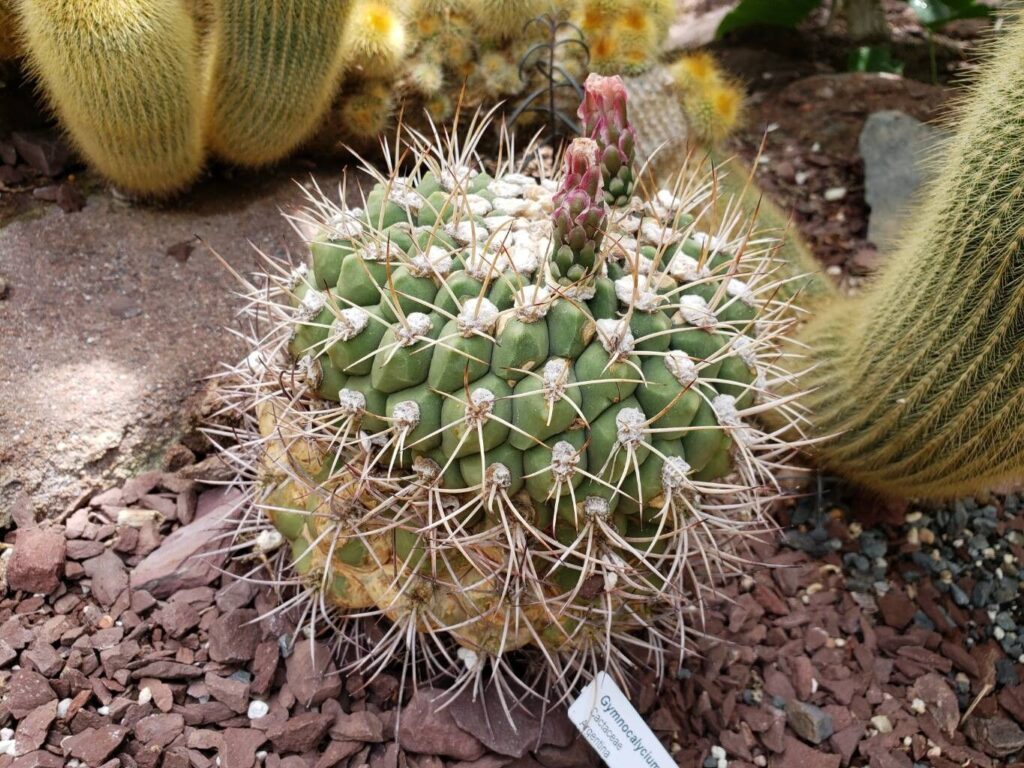
Gymnocalycium cacti are the unsung heroes of the succulent world, their globular forms and ribbed textures evoking the quiet elegance of a desert sunrise. Unlike their more flamboyant cousins, these cacti wear their spines like armor, their colors ranging from the palest ivory to deep, velvety purples. What makes them truly enchanting, however, is their propensity for producing offsets—tiny replicas of themselves that cling to the parent plant like loyal satellites. These offsets are nature’s way of ensuring the survival of the species, but for the gardener, they are a gift: a chance to multiply beauty without starting from scratch. To propagate Gymnocalycium from offsets is to participate in a cycle of life that feels almost sacred, a reminder that growth is not just about beginnings, but about the quiet, persistent unfolding of potential.
Selecting the Perfect Offset: A Matter of Precision and Patience
Not all offsets are created equal. The first step in your propagation journey is to choose the right candidate—a task that demands both a keen eye and a gentle touch. Look for offsets that are at least one-third the size of the parent plant, their bodies firm and plump, free from wrinkles or soft spots that might signal rot or dehydration. The ideal offset should detach with a clean break, its base smooth and unblemished, as if nature herself has sculpted it for your hands. Avoid offsets that are too small or overly crowded; these may struggle to establish roots, their youthful vigor outpaced by the demands of survival. Remember, you’re not just selecting a plant—you’re choosing a partner in growth, one that will demand your attention and care for months, if not years, to come.
The Art of Separation: Dividing Offsets with Delicate Intent
Here lies the moment of truth: the separation of the offset from its parent. This is where many beginners falter, their enthusiasm outpacing their technique. The key is to wield your tool—a clean, sharp knife or pair of scissors—with the precision of a surgeon. Sterilize your blade with rubbing alcohol to ward off infection, then gently twist the offset away from the parent, applying just enough pressure to encourage a clean break. If the offset resists, don’t force it; instead, use the blade to slice cleanly through the connective tissue, ensuring the wound is smooth and free from jagged edges. Resist the urge to pull or tug, as this can damage both the offset and the parent plant. Think of this process as a rite of passage, a moment where you and the plant become collaborators in a shared journey toward independence.
Curing the Wounds: The Silent Healing of Fresh Cuts
Every cut, no matter how clean, is an open invitation to decay. Before you even consider planting your offset, you must allow its wound to heal—a process known as callusing. Place the offset in a dry, shaded spot, away from direct sunlight and humidity, and let it rest for at least a week, though two weeks is ideal. During this time, the cut surface will form a protective layer of dried tissue, a natural bandage that shields the offset from rot and infection. Resist the temptation to skip this step; impatience is the enemy of propagation. Instead, embrace the stillness of this waiting period, a reminder that growth is not always visible, that sometimes the most profound changes happen beneath the surface, unseen and unhurried.
The Perfect Medium: Crafting a Home for Your Offset’s Roots
Now comes the moment to prepare the cradle for your offset’s new life. Gymnocalycium cacti are not fussy, but they do demand a medium that mimics their native desert soils: gritty, well-draining, and lean. A blend of coarse sand, perlite, and a smattering of potting soil will suffice, though you can also opt for a commercial cactus mix, amended with additional perlite or pumice for extra aeration. The key is to avoid anything that retains too much moisture, as Gymnocalycium roots are prone to rot if left to marinate in dampness. Fill your chosen container—a shallow tray, a terracotta pot, or even a repurposed egg carton—with your medium, then create a small indentation with your finger or a dibber. This will be the nest where your offset’s roots will stretch and explore, a sanctuary of stability in an otherwise unpredictable world.
Planting with Purpose: Nestling the Offset into Its New Home
With your offset callused and your medium prepared, it’s time to plant. Gently place the offset into the indentation, ensuring its base sits just below the soil line—no deeper, no shallower. The goal is to mimic the natural conditions of its native habitat, where offsets often nestle into the crevices of rocky outcrops, their roots snaking into the cracks in search of moisture. Press the soil lightly around the base, securing the offset in place without smothering it. Avoid watering immediately; instead, let the soil settle naturally over the next few days. This initial dry spell encourages the offset to anchor itself, its roots reaching downward in search of stability before venturing upward in pursuit of light.
The Waiting Game: Nurturing Patience in a World of Instant Gratification
Here is where the true test of a gardener’s mettle begins. Gymnocalycium offsets are not fast growers. They are patient, deliberate creatures, content to bide their time as they establish their root systems and acclimate to their new surroundings. For the first few weeks, your role is one of quiet observation. Resist the urge to fuss—no overwatering, no excessive handling, no impatience. Instead, place your offset in a bright, indirect light, where it can soak up the sun’s energy without being scorched by its intensity. A south-facing window or a grow light on a timer will suffice. Water sparingly, only when the soil is bone-dry to the touch, and even then, err on the side of less rather than more. This is a time for trust, for allowing the offset to dictate the pace of its own growth.
Signs of Success: Recognizing the First Whispers of Life
After weeks, perhaps even months, you may notice subtle changes: a slight plumping of the offset’s body, a hint of new spines unfurling like tiny swords. These are the first whispers of success, the plant’s way of telling you that it has taken root, that it is ready to embark on the next phase of its journey. At this stage, you can introduce a diluted fertilizer—one formulated for cacti and succulents—to provide a gentle boost of nutrients. But be cautious; Gymnocalycium offsets are still fragile, their systems not yet robust enough to handle heavy feeding. Observe their response closely, adjusting your care as needed. A healthy offset will grow steadily, its ribs becoming more pronounced, its color deepening with each passing season.
The Reward: A Garden of Your Own Making
Months may pass before your offset blooms, but when it does, it will reward your patience with a spectacle of nature’s artistry. Gymnocalycium flowers are understated yet mesmerizing, their petals unfurling like the pages of an ancient manuscript, revealing hues of pink, white, or yellow. To propagate these cacti from offsets is to witness the quiet triumph of life over adversity, a reminder that even the smallest beginnings can lead to the most extraordinary transformations. Your garden, once a blank canvas, will now be dotted with these resilient globes, each one a testament to your care and dedication. And as you watch them grow, you’ll realize that propagation is more than a horticultural technique—it’s a philosophy, a way of engaging with the world that celebrates patience, precision, and the profound beauty of growth.
FAQ
What is Gymnocalycium?
Gymnocalycium is a genus of cacti known for their globular shapes and beautiful flowers, often propagated through offsets.
How long does it take for Gymnocalycium offsets to root?
It typically takes a few weeks to a couple of months for Gymnocalycium offsets to establish roots.



Leave a Reply