
Short Answer
In the vast, sun-scorched tapestry of the desert, where life clings to existence with tenacious grace, the cactus stands as a silent sentinel of resilience. These spiky titans, with their stoic endurance against the merciless sun, have long been more than mere survivors—they are alchemists of the arid world, distilling centuries of healing wisdom into their fleshy, water-storing forms. Among the most storied of these botanical marvels is the genus Echinocactus, a name that whispers of ancient remedies and modern marvels alike. From the towering Echinocactus platyacanthus, a colossus of the cactus kingdom, to the golden sentinel Echinocactus grusonii, these plants have woven themselves into the fabric of traditional medicine, offering a pharmacopeia of healing secrets.
The Desert’s Pharmacy: A Legacy Carved in Spines
Imagine, if you will, a world where the earth is a canvas of cracked clay and the air shimmers with the heat of a thousand furnaces. Here, the cactus is not just a plant—it is a lifeline. For millennia, indigenous cultures from the Americas to the African savannas have turned to these spiky guardians for sustenance, shelter, and, most intriguingly, medicine. The Echinocactus genus, with its barrel-shaped silhouette, is a cornerstone of this botanical apothecary. Its name, derived from the Greek echinos (hedgehog) and cactus, hints at its prickly exterior—a natural armor guarding treasures within.
The flesh of these cacti, though seemingly unassuming, is a treasure trove of bioactive compounds. Alkaloids, flavonoids, and polysaccharides lurk beneath the surface, ready to be harnessed by those who know their secrets. Traditional healers, often revered as the desert’s pharmacists, would carefully extract these compounds to treat ailments ranging from inflammation to digestive distress. The Echinocactus platyacanthus, for instance, was prized for its ability to soothe fevers, a testament to its cooling, hydrating flesh—a paradox in a land where water is a fleeting luxury.
The Golden Sentinel: Echinocactus grusonii and Its Radiant Healing
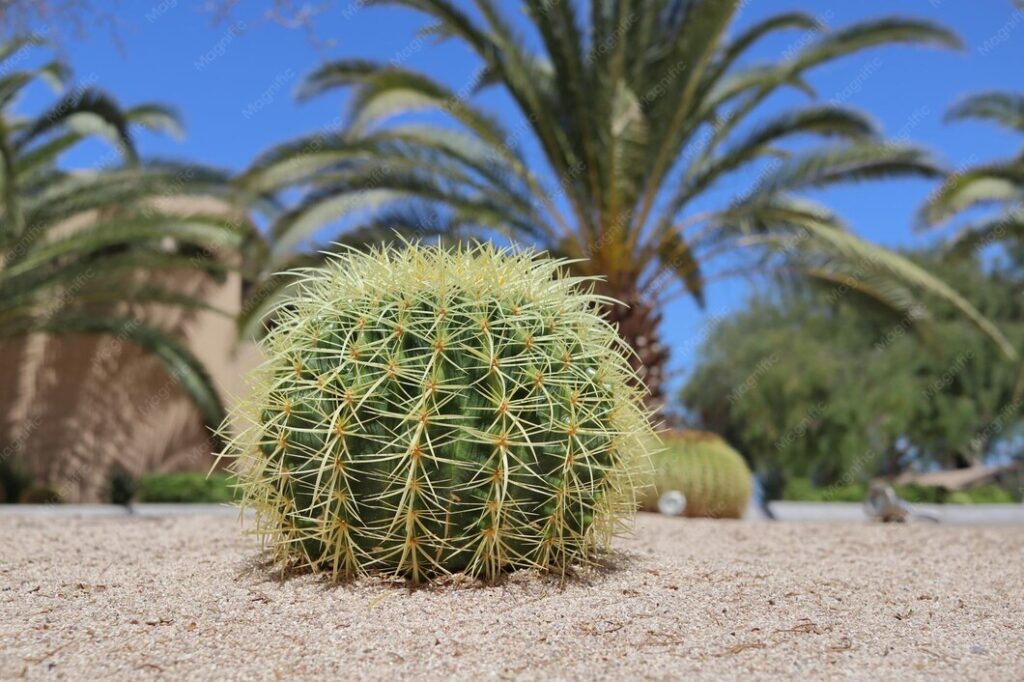
Behold the Echinocactus grusonii, a cactus that gleams like a golden orb in the desert sun. Known colloquially as the golden barrel cactus, this species is not merely a botanical spectacle—it is a medicinal powerhouse. Its spines, sharp as needles, are a deterrent to predators, but its inner flesh is a balm to humanity. Traditional Mexican and Southwestern Native American medicine harnessed its properties to treat wounds, burns, and even snakebites. The cactus’s mucilaginous sap, when applied topically, forms a protective barrier over damaged skin, accelerating healing with a gentle, almost maternal touch.
But the golden barrel’s gifts extend beyond the physical. In some cultures, it was believed that the cactus could ward off evil spirits, its golden hue a symbol of purity and protection. The act of harvesting its sap was a ritual, a dance between human and plant that honored the delicate balance of give-and-take. Even today, modern herbalists extol the virtues of Echinocactus grusonii, incorporating its extracts into salves and tinctures for their anti-inflammatory and antioxidant properties. It is a reminder that healing is not merely a science—it is an art, a symphony of tradition and innovation.
Spines as Shields: The Defensive Alchemy of Cacti
To the untrained eye, the spines of a cactus are little more than a deterrent, a warning to stay away. But to those who understand their purpose, they are a marvel of evolutionary ingenuity. These spines are not merely static structures; they are dynamic tools of protection and healing. In the case of the Echinocactus genus, the spines serve a dual purpose: they shield the plant from herbivores and, when carefully processed, can be transformed into medicinal agents. The sharp, needle-like spines of the golden barrel cactus, for example, were traditionally used to lance abscesses, allowing the trapped infection to escape. It was a brutal remedy, but one born of necessity in a world where modern medicine was a distant dream.
Moreover, the spines themselves contain compounds that have been studied for their antimicrobial properties. Research suggests that certain extracts from cactus spines may inhibit the growth of harmful bacteria, offering a natural alternative to synthetic antibiotics. This defensive alchemy—where a plant’s armor becomes a tool for healing—is a testament to the ingenuity of nature. It is as if the cactus, in its silent wisdom, has crafted its own pharmacopeia, a self-sustaining system of defense and remedy.
The Elixir of the Desert: Hydration and Healing in One
In the scorching embrace of the desert, water is life—and the cactus is its keeper. The Echinocactus genus, with its thick, fleshy stems, is a master of water retention, storing precious moisture for lean times. But its gifts do not end there. The water extracted from these cacti is not merely a source of hydration; it is a tonic, rich in electrolytes and minerals that rejuvenate the body. Traditional healers would often recommend cactus water to combat dehydration, a condition that could prove fatal in the arid landscape. The act of drinking from a cactus, a practice that seems counterintuitive to the uninitiated, is a ritual of survival—a dance with danger that yields sustenance.
Beyond hydration, the water from Echinocactus species was believed to possess detoxifying properties. In some cultures, it was used to flush the kidneys and liver, cleansing the body of impurities accumulated from a diet rich in game and foraged plants. The cactus, in this sense, is a living filter, a botanical alchemist that transforms the harshness of the desert into a source of vitality. It is a reminder that even in the most unforgiving environments, nature provides—if only we know how to listen.
From Myth to Modern Medicine: The Enduring Legacy of Cactus Healing
The story of cactus medicine is not confined to the annals of ancient history. Today, the healing properties of the Echinocactus genus are being rediscovered and reimagined in modern pharmacology. Scientists are isolating compounds from these cacti to develop new drugs, from anti-inflammatory agents to potential treatments for chronic diseases. The golden barrel cactus, for instance, has been studied for its ability to regulate blood sugar levels, offering hope to those battling diabetes. It is a bridge between the past and the present, a testament to the timeless wisdom of traditional medicine.
Yet, the allure of cactus healing extends beyond its practical applications. There is something almost mystical about these plants, a quality that transcends their physical properties. They are symbols of resilience, of the ability to thrive where others would wither. In a world where modern medicine often feels impersonal and disconnected, the cactus offers a different path—a path that honors the interconnectedness of all living things. To heal with a cactus is to participate in an ancient ritual, a communion with the earth itself.
The Future of Cactus Medicine: A Green Revolution in the Making
As we stand on the precipice of a new era in medicine, the Echinocactus genus and its kin may hold the keys to unlocking treatments for some of humanity’s most pressing challenges. Climate change, with its relentless march across the globe, is forcing us to look to the natural world for solutions. The cactus, with its unparalleled ability to survive in extreme conditions, is a beacon of hope. Researchers are exploring its potential to combat drought, to purify water, and even to serve as a sustainable food source. The same spines that once protected the plant may now shield us from the ravages of a changing planet.
Moreover, the rise of herbalism and alternative medicine has brought the cactus back into the spotlight. No longer relegated to the realm of folklore, these spiky healers are being embraced by a new generation of wellness seekers. From cactus-based skincare products to dietary supplements, the market for cactus-derived remedies is flourishing. It is a renaissance, a rebirth of ancient wisdom in a modern context. The cactus, it seems, is not just a relic of the past—it is a harbinger of the future.
The desert’s pharmacy is open for business, and its shelves are stocked with the spiky treasures of the Echinocactus genus. These plants, with their golden spines and fleshy hearts, are more than mere survivors—they are healers, teachers, and alchemists. They remind us that in the harshest of landscapes, life finds a way to thrive, to adapt, and to give. So the next time you see a cactus standing tall against the desert sun, take a moment to appreciate its silent strength. For in its spines and sap, it holds the secrets of a thousand healings—waiting, always waiting, to be discovered.
FAQ
What are the traditional uses of Echinocactus in medicine?
Echinocactus species have been traditionally used to treat ailments such as inflammation, digestive issues, and skin wounds.
How is Echinocactus used in modern medicine?
Modern pharmacology is exploring Echinocactus for its anti-inflammatory properties and potential treatments for chronic diseases.


Leave a Reply