
Short Answer
There’s something almost alchemical about transforming the humble prickly pear into a dish that dances on the tongue—its vibrant hue, its delicate sweetness, its unexpected versatility. What begins as a spiky enigma in the desert sun becomes, in the right hands, a culinary revelation. The prickly pear, or Opuntia, is more than just a fruit; it’s a bridge between cultures, a testament to human ingenuity, and a canvas for creativity in the kitchen. Whether you’re a seasoned chef or a curious home cook, unlocking its potential is a journey worth taking.
The Prickly Pear: A Fruit of Contradictions
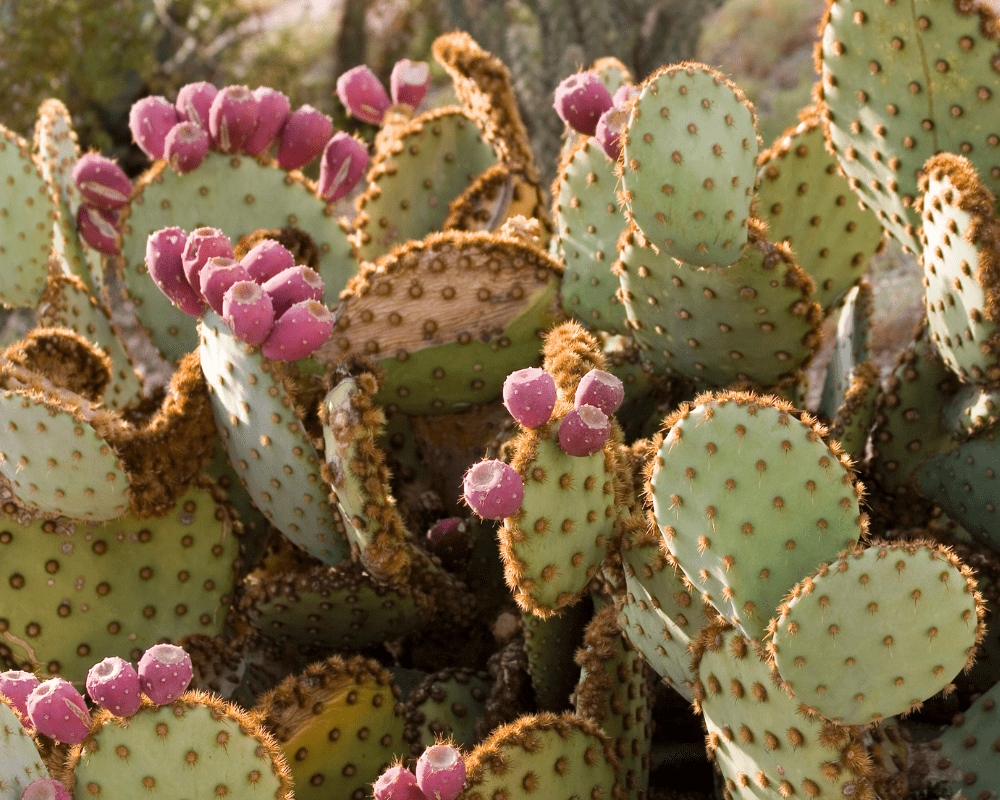
The prickly pear is a paradox wrapped in a spiky exterior. Its exterior is a minefield of glochids—tiny, barbed hairs that cling like tenacious stowaways—while its interior cradles a jewel-toned pulp that tastes like a cross between watermelon and bubblegum. This duality is what makes it so fascinating. One moment, you’re wrestling with its defenses, the next, you’re savoring its nectar-like sweetness. It’s a reminder that nature’s treasures often come with a price, but the reward is always worth the effort.
Beyond its taste, the prickly pear is a nutritional powerhouse. Rich in vitamin C, fiber, and antioxidants, it’s a fruit that nourishes as much as it delights. Its high water content makes it a refreshing antidote to scorching summers, while its natural pectin content lends itself beautifully to jams and syrups. But its true magic lies in its adaptability—it can be roasted, juiced, candied, or even fermented, each method revealing a new facet of its character.
Preparing the Prickly Pear: Handling the Spikes with Finesse
Before you can coax the best out of a prickly pear, you must first tame it. The first rule? Never underestimate its defenses. A pair of tongs, a sharp knife, and a healthy dose of patience are your best allies. Start by rolling the fruit firmly on a countertop to loosen the spines, then use the tongs to hold it steady while you slice off both ends. With a shallow incision along the length, you can peel away the skin, revealing the vibrant flesh within. If glochids still cling stubbornly, a quick rinse under cold water or a light scrape with a spoon will dislodge them.
For those who prefer a less tactile approach, gloves are a must. The glochids may be minuscule, but their irritation is anything but. Some cooks swear by charring the fruit briefly over an open flame to burn off the spines, though this method risks altering the delicate flavor. Whichever technique you choose, the goal remains the same: to transform a prickly adversary into a pliable ingredient, ready to be transformed.

Prickly Pear Juice: The Elixir of the Desert
There’s a reason why prickly pear juice is a staple in Mexican markets and beyond—it’s pure, unadulterated refreshment. To extract it, blend the peeled fruit with a splash of water, then strain the mixture through a fine-mesh sieve or cheesecloth. The result is a luminous, magenta-hued liquid that tastes like summer in a glass. Its subtle tartness makes it a perfect base for cocktails, smoothies, or simply sipped on its own over ice.
But why stop at juice? The leftover pulp can be simmered with sugar and lemon juice to create a syrup that elevates everything from pancakes to cocktails. Drizzle it over cheesecake, mix it into vinaigrettes, or use it to glaze roasted meats. The syrup’s versatility is a testament to the fruit’s ability to transcend its origins, bridging the gap between rustic charm and gourmet sophistication.
Prickly Pear Jam: A Spread of Sunshine
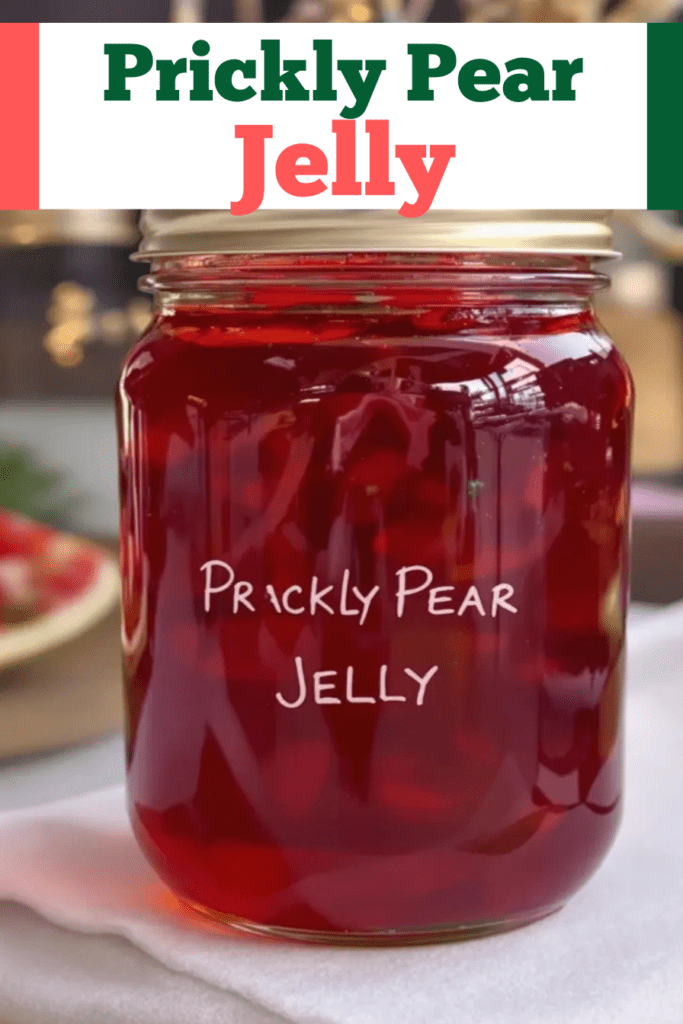
Few things capture the essence of a fruit like a well-made jam, and prickly pear jam is no exception. Its vibrant color and balanced sweetness make it a standout on any breakfast table. To make it, combine the strained juice with sugar, lemon juice, and a touch of pectin (if needed) in a heavy-bottomed pot. Simmer gently, stirring occasionally, until the mixture thickens to a spreadable consistency. The aroma that fills the kitchen is intoxicating—a heady mix of floral and fruity notes that hints at the desert’s hidden depths.
Spread it on toast, swirl it into yogurt, or use it as a filling for thumbprint cookies. The jam’s natural pectin ensures a glossy finish, while its bright flavor cuts through the richness of creamy cheeses or fatty meats. It’s a reminder that even the simplest preparations can yield extraordinary results when the ingredients are handled with care.
Savory Adventures: Prickly Pear in Unexpected Places
While prickly pear is often celebrated in sweet dishes, its potential in savory cuisine is equally compelling. The fruit’s natural acidity makes it an excellent counterpoint to rich, fatty ingredients. Try dicing it into salsas for a refreshing twist, or roast it alongside root vegetables to caramelize its sugars. Its tender flesh holds up well to grilling, where it can be skewered with halloumi or halloumi-like cheeses for a smoky, tangy bite.
In Mexican cuisine, prickly pear is a star in nopales dishes—young cactus paddles that are a staple in tacos and salads. Pairing the fruit with nopales creates a harmonious balance of textures and flavors, where the crunch of the cactus meets the silkiness of the pear. The result is a dish that’s both earthy and bright, a celebration of the land’s bounty.
Prickly Pear Cocktails: A Toast to the Unexpected
There’s something inherently festive about a cocktail that surprises the palate, and prickly pear is the perfect muse for such libations. Its floral, slightly tart notes make it a natural fit for gin, tequila, or even vodka. A simple prickly pear margarita—tequila, lime juice, agave syrup, and a splash of prickly pear juice—is a revelation. The fruit’s sweetness mellows the bite of the alcohol, while its acidity keeps the drink crisp and refreshing.
For a non-alcoholic option, blend the juice with sparkling water, a squeeze of lime, and a sprig of mint. The effervescence enhances the fruit’s natural effervescence, creating a drink that’s as visually stunning as it is delicious. Garnish with a slice of lime or a sprinkle of edible flowers for an extra touch of elegance.
The Cultural Tapestry of Prickly Pear
The prickly pear’s journey from desert staple to global ingredient is a story of resilience and adaptation. Indigenous communities in the Americas have revered it for centuries, using it not just as food but as medicine, dye, and even building material. Its presence in modern cuisine is a nod to these traditions, a way of honoring the past while embracing the future.
In Italy, the fruit is transformed into a liqueur called fico d’India, while in the Middle East, it’s dried and used in desserts. Each culture adds its own twist, proving that the prickly pear is a blank canvas waiting to be painted with flavor. This global appeal speaks to a universal truth: that the most extraordinary ingredients are often the ones that challenge us the most.
Final Thoughts: Embracing the Prickly
The prickly pear teaches us a valuable lesson: that beauty and utility often lie hidden beneath the surface. It asks us to slow down, to be patient, to respect its defenses before we can enjoy its rewards. In a world that often prioritizes convenience over craft, the prickly pear is a gentle nudge toward mindfulness. It reminds us that the best things in life—whether a meal, a relationship, or a moment—are worth the effort.
So the next time you encounter a prickly pear, don’t shy away from its spines. Embrace them. Peel it, juice it, cook it, and savor the alchemy of transformation. Let its vibrant color and complex flavor inspire you to see the extraordinary in the ordinary. After all, the most memorable dishes are the ones that surprise us—not just in taste, but in the story they tell.
FAQ
What is prickly pear?
Prickly pear is a fruit from the Opuntia cactus, known for its sweet flavor and vibrant color.
How do you prepare prickly pear?
To prepare prickly pear, use tongs to hold the fruit, slice off the ends, and peel the skin while avoiding its tiny spines.
What are some recipes using prickly pear?
Prickly pear can be used in juices, jams, salsas, and cocktails, enhancing both sweet and savory dishes.
Leave a Reply