
Short Answer
What if your next tattoo could whisper secrets of resilience, bloom with quiet rebellion, and carry the weight of ancient desert wisdom all at once? Enter the Gymnocalycium—a genus of cacti that thrives in the harshest of conditions, its globular form encased in ribbed perfection, crowned with delicate spines. These aren’t just plants; they’re living metaphors for endurance, adaptability, and unexpected beauty in adversity. And when inked onto skin, Gymnocalycium tattoos transform into wearable art that challenges convention, celebrates individuality, and invites wearers to embrace their own prickly, radiant essence. But how do you capture the essence of this desert jewel in ink without falling into cliché? Let’s dig into the meanings, design ideas, and the subtle artistry behind Gymnocalycium tattoos—where every needle prick tells a story.
The Symbolism of Gymnocalycium: More Than Just a Prickly Plant
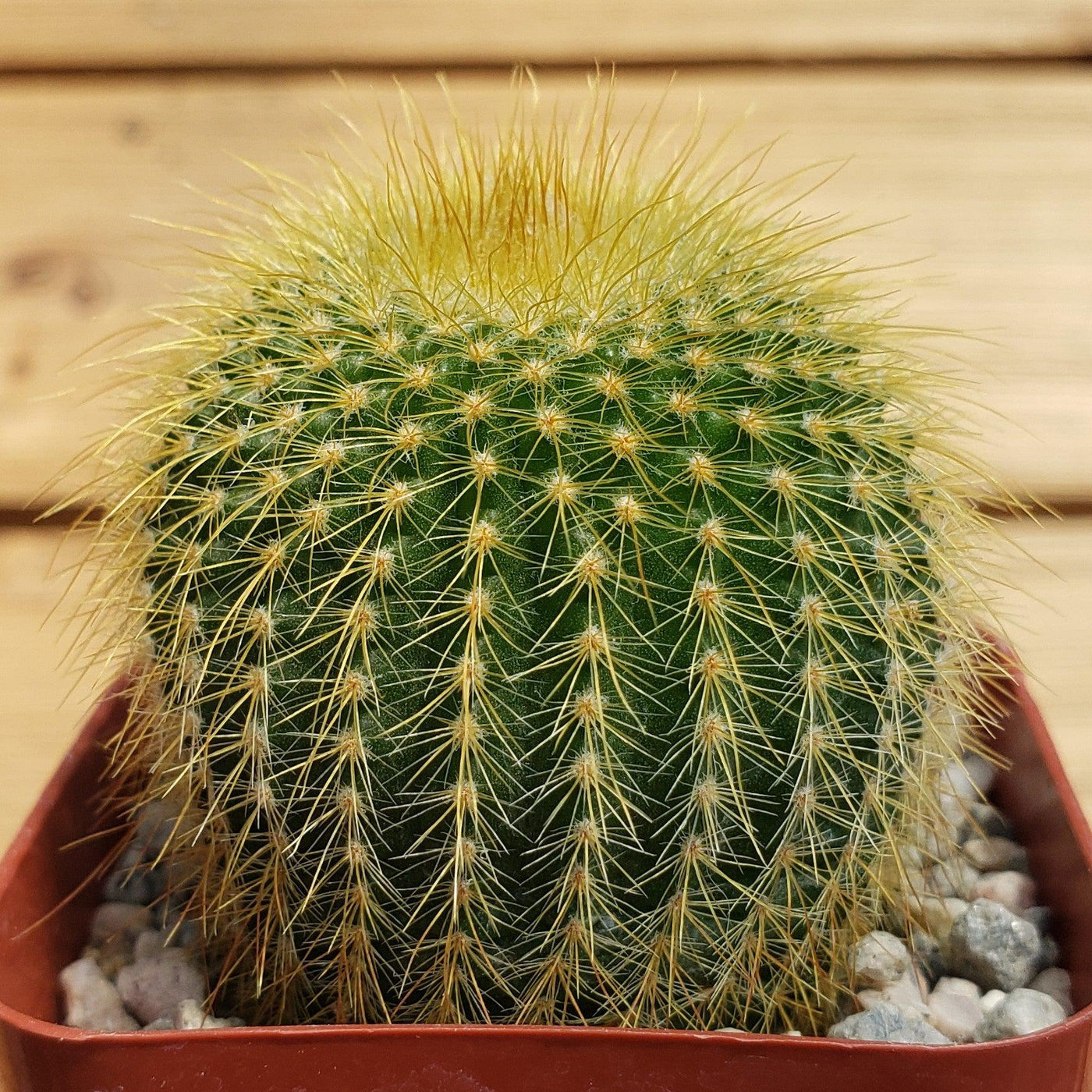
The Gymnocalycium isn’t your average cactus. While many associate cacti with barren landscapes and solitary endurance, this particular genus stands out with its smooth, often pastel-hued ribs and a deceptive softness that belies its spiny armor. Symbolically, it’s a paradox—a plant that thrives in scarcity yet radiates vibrancy. In tattoo form, it becomes a powerful emblem of resilience through gentleness, a reminder that strength doesn’t always roar; sometimes, it blooms in silence.
Culturally, cacti have long been tied to survival, but Gymnocalycium adds a layer of nuance. Its name, derived from Greek for “naked” and “calyx,” hints at its exposed, unadorned beauty. A tattoo of this cactus can signify authenticity—the courage to stand bare in a world that often demands armor. It’s also a nod to adaptability; these cacti flourish in rocky, sun-scorched terrains, much like those who reinvent themselves against the odds. For the dreamer, it’s a talisman of patience, as these plants grow slowly, rewarding perseverance with rare, fleeting blooms.
But here’s the twist: Gymnocalycium tattoos can also be a playful rebellion against traditional floral motifs. While roses and lilies dominate inked gardens, this cactus offers a fresh, unexpected twist—one that’s bold yet understated, fierce yet delicate. It’s the tattoo equivalent of wearing a thorny crown with pride.
Design Ideas: From Minimalist Dots to Lush Desert Scenes
So, how do you translate the Gymnocalycium’s quiet majesty into a tattoo that feels uniquely yours? The possibilities are as varied as the cactus’s native habitats. For the minimalist, a single, clean-lined Gymnocalycium rendered in fine black ink can be a statement of elegance. Imagine it nestled on the wrist or behind the ear, its ribs subtly textured to mimic the plant’s natural grooves. This approach is perfect for those who want symbolism without overwhelming detail.
For the storyteller, consider a geometric Gymnocalycium—a fusion of organic form and sharp angles. Picture the cactus’s circular silhouette intersected by angular lines, creating a modern, almost architectural piece. This design nods to both nature and human innovation, ideal for those who see themselves as both grounded and forward-thinking. Pair it with a sunburst or a crescent moon to emphasize its desert origins, or add a single, vibrant bloom to symbolize a personal triumph.
If you’re drawn to color, a watercolor Gymnocalycium can be breathtaking. Soft washes of peach, lavender, or sage green can mimic the cactus’s natural hues, while splashes of gold or coral can highlight its spines. This style is fluid and expressive, perfect for those who want their tattoo to feel alive and dynamic. For a bolder look, try a blackwork Gymnocalycium, where the contrast between deep blacks and stark whites creates a striking, almost sculptural effect. The absence of color forces the viewer to focus on the cactus’s form and the symbolism behind it.
For the adventurous, a surreal Gymnocalycium can push boundaries. Imagine the cactus sprouting wings, or its ribs forming the silhouette of a mountain range. This approach turns the tattoo into a conversation piece, blending reality with fantasy. Alternatively, a micro-realism Gymnocalycium—a hyper-detailed, lifelike rendering—can be a stunning choice for those who want their ink to look like a tiny, living ecosystem on their skin.
Placement Matters: Where to Wear Your Desert Jewel
The placement of a Gymnocalycium tattoo can amplify its meaning. For a discreet yet meaningful piece, the inner forearm or upper arm offers a canvas that’s easy to conceal or display. This location is ideal for those who want their tattoo to be a personal reminder of resilience, visible only when they choose to share it. The ribcage is another powerful spot, where the cactus can appear to grow organically from the body, its spines mirroring the wearer’s own strength.
For a more public declaration, the calf or thigh provides ample space for a detailed design. A larger Gymnocalycium here can be a bold statement, its vibrant colors or intricate shading drawing the eye. The ankle or foot is a playful choice, especially for a small, minimalist cactus that seems to peek out from beneath clothing, like a secret only the wearer knows.
But what if you want your tattoo to interact with your body’s natural contours? Consider a wrap-around Gymnocalycium, where the cactus’s ribs follow the curve of your arm or leg, creating a seamless, flowing design. This approach turns the tattoo into a second skin, a reminder that resilience, like the Gymnocalycium, is not static but ever-adapting.
The Challenge of Capturing Its Essence: Avoiding Cliché
Here’s the rub: Gymnocalycium tattoos are still relatively rare in the inked world, which is both a blessing and a curse. On one hand, it means you’re less likely to encounter a carbon-copy design. On the other, it means you’ll need to work closely with your artist to ensure your tattoo feels authentic rather than generic. The challenge lies in avoiding the trap of making it look like just another “cute cactus” tattoo. To do this, focus on the cactus’s unique features—its ribbed texture, its subtle color variations, and its ability to thrive in harsh conditions.
Another pitfall is overcomplicating the design. While it’s tempting to add flowers, animals, or desert landscapes, sometimes the simplest version is the most powerful. Ask yourself: What does the Gymnocalycium represent to me? Is it resilience? Authenticity? A love for the unconventional? Let that answer guide the design, rather than defaulting to a “pretty plant” aesthetic.
Finally, consider the long-term wear of your tattoo. Gymnocalyciums are small and detailed, so fine lines and delicate shading may blur over time. Opt for bold, clean lines where possible, and discuss with your artist how to maintain the tattoo’s integrity as it ages. A well-placed Gymnocalycium tattoo should look as vibrant in ten years as it does on day one.
Beyond the Ink: Living the Gymnocalycium Ethos
A tattoo is more than just art; it’s a commitment to the values it represents. Wearing a Gymnocalycium tattoo is a daily reminder to embrace your own resilience, to find beauty in adversity, and to stand tall—even when the world feels prickly. It’s a call to slow down, to appreciate the quiet moments, and to bloom when the time is right.
So, as you consider this design, ask yourself: Are you ready to wear your strength on your skin? To turn something often overlooked into a symbol of quiet power? The Gymnocalycium doesn’t ask for attention; it simply exists, thriving in its own time. And perhaps that’s the most rebellious act of all.
FAQ
What does a Gymnocalycium tattoo symbolize?
A Gymnocalycium tattoo symbolizes resilience, authenticity, and adaptability, representing strength in gentleness.
What are some design ideas for Gymnocalycium tattoos?
Design ideas include minimalist black ink, geometric interpretations, watercolor styles, and surreal designs.
Where is the best placement for a Gymnocalycium tattoo?
Popular placements include the inner forearm, ribcage, calf, and ankle, depending on the desired visibility.


Leave a Reply