
Short Answer
Imagine a world where tiny, unassuming seeds hold the power to transform arid landscapes into vibrant tapestries of spiny marvels. Where patience isn’t just a virtue but a sacred ritual, and where the act of nurturing life from the most humble beginnings becomes a quiet rebellion against the hurried pace of modern existence. This is the world of Mammillaria, a genus of cacti so resilient, so full of character, that growing them from seed isn’t just a hobby—it’s an act of defiance against the disposable culture that surrounds us. If you’ve ever watched a seedling emerge from the soil like a tiny green fist punching through the earth, you’ll understand why this journey is worth every ounce of effort. Let’s dive into the art and science of cultivating these desert jewels, where every step is a testament to the slow, deliberate magic of growth.
The Alchemy of Germination: Coaxing Life from a Speck of Dust
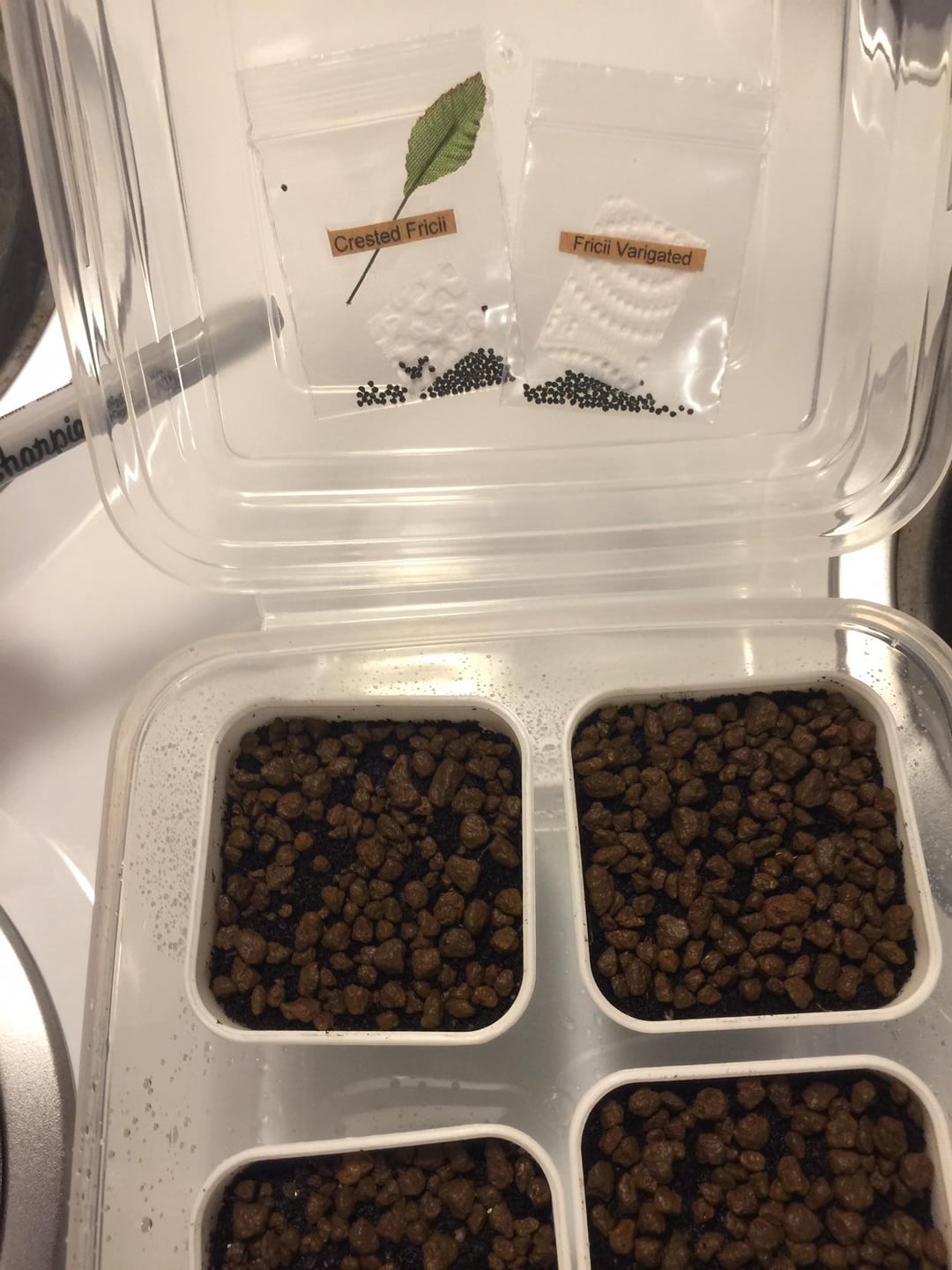
Germination is where the magic begins, but it’s also where impatience can sabotage your dreams. Mammillaria seeds, those minuscule capsules of potential, demand a delicate balance of moisture, warmth, and light—without the suffocating embrace of excess. Start by scattering the seeds onto a sterile, well-draining medium, like a blend of cactus soil and perlite, ensuring they nestle just beneath the surface. A spray bottle is your best friend here; mist the soil until it’s damp but not soggy, as if you’re painting the earth with the gentlest touch. Cover the container with a clear lid or plastic wrap to create a miniature greenhouse, where humidity lingers like a promise. Place it in a spot where temperatures hover between 70°F and 80°F (21°C–27°C), and resist the urge to peek. Patience, dear grower, is your most potent tool. Some species may sprout in a week; others may take months, their slow emergence a reminder that nature’s clock moves to its own rhythm.
Light: The Invisible Nourishment That Fuels Growth
Once those first tender shoots appear, light becomes the elixir that shapes their destiny. Mammillaria seedlings are like shy poets—too much harsh light burns them; too little stunts their voice. A south-facing windowsill is ideal, but if your home is a cave of shadows, a grow light suspended just inches above the seedlings will do. Start with 12–14 hours of light daily, gradually increasing intensity as the plants mature. Watch for signs of distress: etiolated, pale stems stretching toward the light are a cry for help. Rotate the container weekly to ensure even exposure, because even in the plant world, fairness matters. Remember, light isn’t just energy—it’s the architect of their future form, dictating whether they’ll stand proud and compact or stretch into leggy, desperate shadows.
The Soil’s Secret: Crafting a Home for Tiny Titans
Mammillaria aren’t divas, but they do demand a home that mimics their native haunts—dry, gritty, and free from the cloying embrace of organic matter. A mix of 50% mineral grit (like pumice or coarse sand) and 50% cactus soil creates the perfect foundation. Avoid peat-heavy blends; they retain too much moisture, inviting rot to claim your fledglings. When repotting, handle the seedlings with the tenderness of a librarian handling rare manuscripts. Their roots are fragile, their bodies even more so. A chopstick or small spoon works better than your fingers, ensuring you don’t crush the delicate stems. And here’s a pro tip: let the soil dry out slightly between waterings, even in the growing season. These plants thrive on neglect more than they do on coddling.
Water: The Delicate Dance of Deprivation and Sustenance
Watering Mammillaria is less about hydration and more about choreography. In their infancy, they need just enough moisture to keep their roots from withering, but never enough to drown them in their own despair. Bottom-watering is your safest bet—place the container in a shallow tray of water for 10–15 minutes, then let it drain completely. This method ensures the roots drink without the soil becoming a swamp. As the plants mature, you can extend the intervals between waterings, letting the soil dry out entirely before the next drink. Winter is a time of rest, a period of dormancy where water is a rare guest. Overwatering during this phase is the fastest way to turn your green charges into a pile of mush. Think of it as a lesson in delayed gratification: the less you fuss, the more they flourish.
Temperature and Seasonality: Respecting the Rhythms of the Desert
Mammillaria are creatures of habit, their lives governed by the sun’s whims. They thrive in warmth but recoil from frost, their fleshy bodies ill-equipped to handle the chill. If you’re growing them outdoors, bring them inside when temperatures dip below 50°F (10°C). Indoors, a consistent 70°F (21°C) is ideal, though they’ll tolerate fluctuations—just not the cruel joke of a sudden cold snap. Seasonality matters, too. Spring and summer are their growing seasons, when they bulk up on light and water. Autumn signals a slowdown; winter is a time to fast. Respect these cycles, and your plants will reward you with robust health and, eventually, flowers that defy belief.
Pests and Predators: The Unseen Battles in Your Growing Sanctuary
Even the hardiest Mammillaria face invisible foes: mealybugs, spider mites, and the dreaded scale insects. These pests are the vultures of the plant world, lurking until your guard is down. Inspect your plants weekly, flipping leaves and peering into crevices like a detective on a stakeout. A cotton swab dipped in rubbing alcohol can evict mealybugs, while a blast of water dislodges spider mites. For scale, a gentle scrub with a soft toothbrush and soapy water works wonders. Prevention is your best defense: keep your growing area clean, avoid overcrowding, and quarantine new plants until you’re sure they’re pest-free. Remember, a healthy plant is a resilient one—nourished by proper care, it can fend off most invaders on its own.
The Reward: A Garden of Spines and Blooms
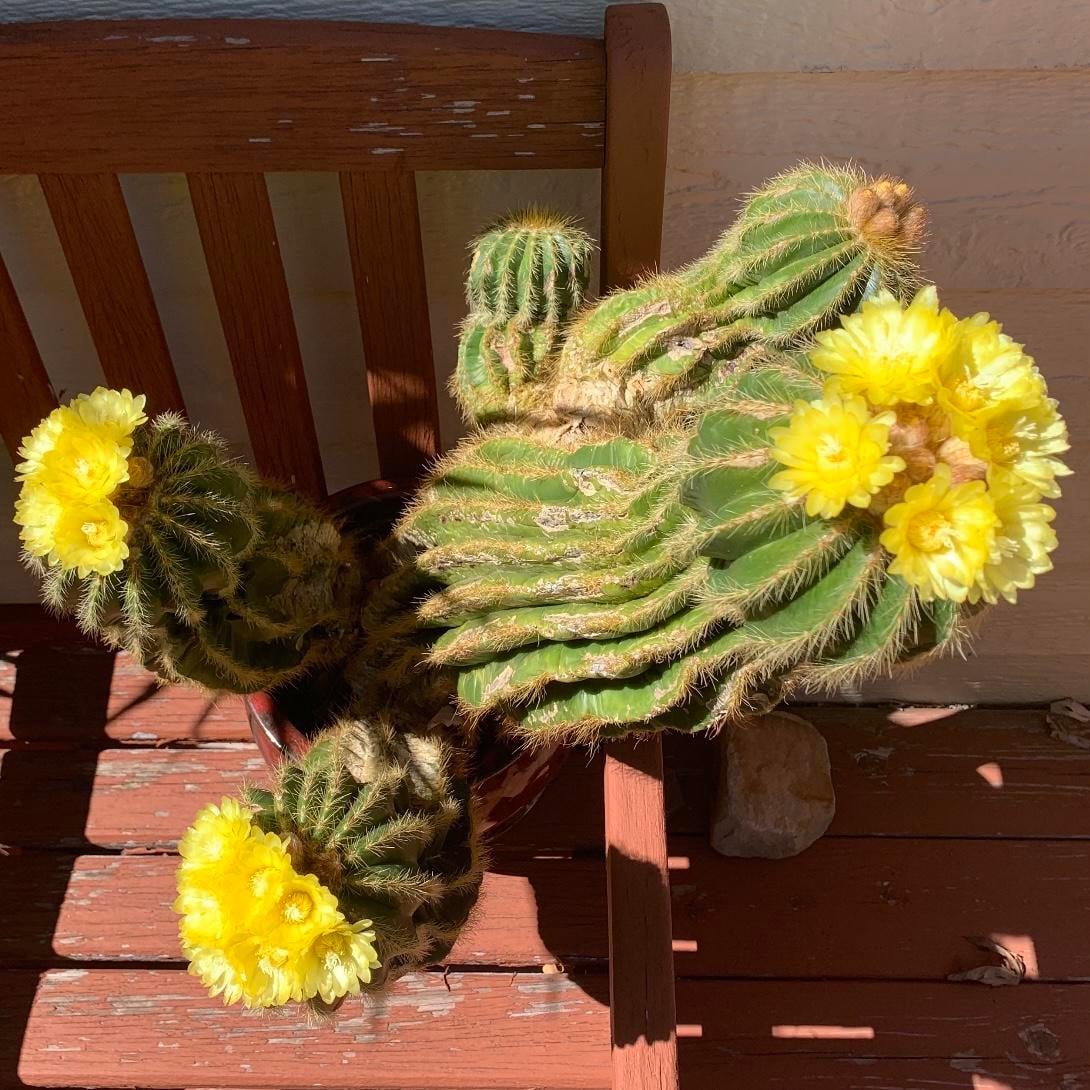
Months—or even years—after you first tucked those seeds into the soil, something extraordinary happens. A single bud swells at the crown of your plant, a tiny green beacon of hope. Then, one morning, you wake to find it unfurled into a crown of petals, a burst of color that defies the barrenness of the desert. This is the moment when all your patience, all your careful tending, crystallizes into something breathtaking. Mammillaria flowers are more than just pretty faces; they’re a testament to the quiet tenacity of life. Some species bloom in fiery reds, others in soft pinks or pristine whites. Each one is a fleeting masterpiece, lasting only days before wilting—but leaving behind a legacy of seeds, ready to begin the cycle anew.
The journey of growing Mammillaria from seed is more than a horticultural endeavor; it’s a philosophical one. It teaches patience, resilience, and the art of letting go. In a world that demands instant gratification, these plants remind us that great things take time. They ask us to slow down, to observe, to nurture. And in return? They gift us a front-row seat to the slow, deliberate poetry of growth. So, gather your seeds, your soil, and your courage. The desert awaits its next generation of guardians.
FAQ
What are the ideal conditions for germinating Mammillaria seeds?
Mammillaria seeds require a well-draining soil mix, consistent moisture without sogginess, and temperatures between 70°F and 80°F.
How often should I water my Mammillaria seedlings?
Water your seedlings just enough to keep their roots from drying out but allow the soil to dry out completely between waterings.
When do Mammillaria cacti typically bloom?
Mammillaria cacti bloom during the spring and summer months, producing vibrant flowers.

Leave a Reply