

Short Answer
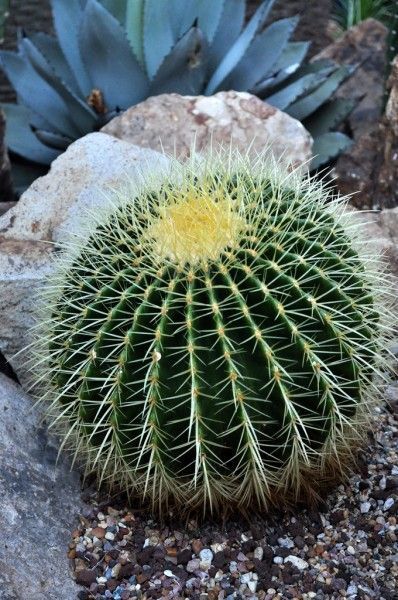
The golden barrel cactus, Echinocactus grusonii, stands as a botanical marvel—a spherical sentinel of resilience, its ribbed emerald flesh crowned with a halo of golden spines. Native to the sun-scorched Chihuahuan Desert, this cactus thrives where few others dare, its slow growth a testament to nature’s patience. Yet beneath its prickly exterior lies a darker narrative, one of exploitation and ecological peril. The illegal trade of barrel cacti has burgeoned into a shadow economy, where these desert jewels are plucked from their arid homes and trafficked across continents, leaving behind a trail of ecological desolation. This is not merely a story of plants—it is a tale of greed, conservation, and the fragile balance between human desire and natural heritage.
The Allure of the Golden Sphere: Why Echinocactus Captivates the World
There is something almost hypnotic about the golden barrel cactus. Its perfect symmetry, the way its spines radiate like the spokes of a wheel, the slow unfurling of its yellow blossoms—it is a living sculpture, a miniature sun captured in thorns. Collectors covet it for its rarity; its slow maturation means a single specimen may take decades to reach maturity, making it a prized acquisition in the world of succulent enthusiasts. But the cactus’s appeal extends beyond aesthetics. In the realm of feng shui, it is revered as a bringer of prosperity and protection, its golden hue symbolizing wealth and its spiny exterior warding off negative energy. This cultural mystique has fueled a demand that stretches from the neon-lit balconies of Tokyo to the minimalist interiors of Scandinavian apartments. Yet, as with all coveted commodities, the golden barrel cactus has become a victim of its own desirability.
The Illicit Trade: A Web of Deception and Destruction
The illegal trade of Echinocactus is a clandestine affair, conducted in the gray margins of the internet and the black markets of plant auctions. Poachers, often armed with little more than crowbars and disregard for the law, descend upon the Chihuahuan Desert’s fragile ecosystems, uprooting cacti with reckless abandon. The scale of this theft is staggering. In some regions, entire populations have been decimated, their once-thriving clusters reduced to skeletal remains. The methods employed are brutal: cacti are dug up with their root systems intact, leaving gaping wounds in the soil that take years to heal. Smugglers then transport these living trophies across borders, concealing them in shipments of soil, luggage, or even hollowed-out books. The journey is perilous—many cacti perish en route, their golden spines dulled by dehydration and stress. Yet for those that survive, the destination is often a gilded cage: a private collection, a commercial nursery, or worse, a black-market auction where their value inflates with each passing hand.
The Ecological Ripple: When Cacti Disappear, Deserts Suffer
The removal of golden barrel cacti is not merely an aesthetic loss—it is an ecological catastrophe. These cacti are keystone species, their presence shaping the very fabric of their arid ecosystems. Their deep root systems help prevent soil erosion, their flowers provide nectar for pollinators like bees and hummingbirds, and their fruits sustain desert-dwelling mammals and birds. When poachers strip the land of these vital organisms, the ripple effects are profound. Soil degradation accelerates, water retention plummets, and the delicate web of desert life unravels. In some areas, the disappearance of Echinocactus has led to the local extinction of species that relied on it for survival. The desert, once a tapestry of resilience, begins to fray at the edges. And yet, the poachers move on, leaving behind a landscape that may never fully recover.
The Human Cost: Communities Caught in the Crossfire
Behind the gleaming spines of the golden barrel cactus lies a human story—one of poverty, desperation, and exploitation. In the rural communities bordering the Chihuahuan Desert, the allure of quick cash has driven many to participate in the illegal trade. Poachers are often paid meager sums for their haul, while the real profits flow to middlemen and international buyers. The cycle of poverty perpetuates itself: as local ecosystems degrade, so too do the livelihoods of those who depend on them. Women, who traditionally play a crucial role in desert agriculture and plant knowledge, find their expertise weaponized in the service of illegal trade. Children, too, are sometimes pressed into service, their small hands adept at navigating the treacherous terrain of cactus-rich hills. The human cost of this trade is not just economic—it is cultural. The knowledge of desert plants, passed down through generations, is eroded as traditional practices give way to the exigencies of survival.
Legal Loopholes and the Failure of Protection
The fight against Echinocactus poaching is hampered by a labyrinth of legal loopholes and weak enforcement. While the species is protected under international agreements like CITES (Convention on International Trade in Endangered Species), the reality on the ground is far more complicated. Many countries lack the resources or political will to enforce these protections. Border crossings are porous, and smugglers exploit gaps in customs inspections. Even when seizures occur, the penalties are often laughably light—a fine here, a suspended sentence there—doing little to deter future poachers. Meanwhile, the legal trade in cultivated cacti provides cover for illegal specimens, as unscrupulous sellers mislabel poached plants as nursery-grown. The system is broken, and until there is a concerted global effort to tighten regulations and hold both buyers and sellers accountable, the golden barrel cactus will continue to be a commodity in a lawless marketplace.
Conservation in the Crosshairs: Can the Golden Barrel Be Saved?
Yet there is hope. Conservationists are fighting back with a multi-pronged approach that combines science, community engagement, and policy reform. Reintroduction programs aim to repopulate decimated areas with cultivated specimens, while habitat restoration projects work to heal the scars left by poachers. Local communities are being empowered to become stewards of their land, with initiatives that provide alternative livelihoods—such as eco-tourism and sustainable agriculture—to wean them off the illegal trade. Technology, too, plays a role: drones and satellite imagery are used to monitor remote desert regions, while DNA barcoding helps authorities trace smuggled cacti back to their origins. The battle is far from won, but the tide is turning. The golden barrel cactus, once a victim of its own beauty, is slowly reclaiming its place in the desert’s heart.
The Future of the Desert’s Jewel
The story of the golden barrel cactus is a microcosm of a larger crisis—one where human desire clashes with the limits of nature. It is a tale of resilience, of both the cactus and the people fighting to save it. But it is also a call to action. The next time you see a golden barrel cactus in a nursery or a private collection, ask yourself: where did it come from? What cost was paid for its beauty? And what can you do to ensure that future generations will still have the chance to marvel at this desert icon? The fate of the Echinocactus is not yet sealed. With awareness, advocacy, and a shift in how we value the natural world, we can rewrite its story—from plundered treasure to protected heritage.
FAQ
What is Echinocactus?
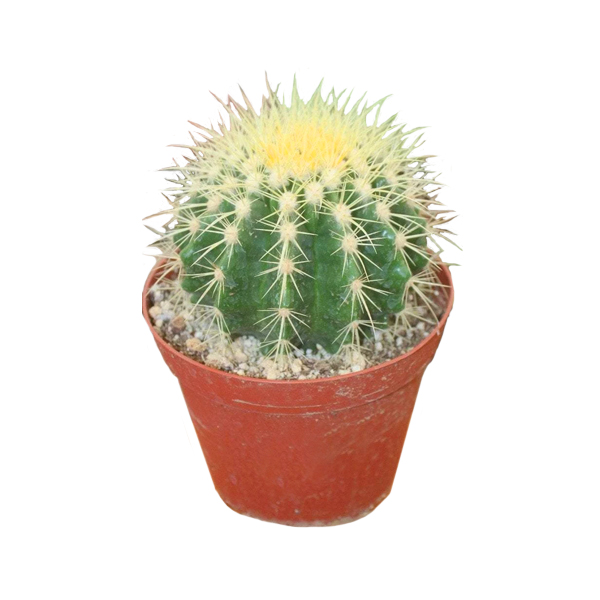
Echinocactus, commonly known as the golden barrel cactus, is a species native to the Chihuahuan Desert, known for its spherical shape and golden spines.
Why is Echinocactus poaching a concern?
Poaching of Echinocactus threatens its population, disrupts ecosystems, and harms local communities dependent on these plants.



Leave a Reply