
Short Answer
In the vast, untamed canvas of human skin, where stories unfold in ink and pigment, few motifs possess the quiet audacity of the Opuntia cactus. Not merely a prickly inhabitant of arid landscapes, this resilient succulent has clawed its way into the realm of body art, carrying with it a lexicon of meanings as layered as the desert soil it thrives in. Opuntia tattoos are more than adornments—they are declarations, whispers of endurance, and rebellions against fragility. They challenge the viewer to reconsider what it means to be both soft and sharp, to stand tall while embracing vulnerability. This is not just a tattoo trend; it’s a philosophical shift, a visual manifesto etched into flesh. Let’s delve into the thorny heart of Opuntia ink, where symbolism blooms like a desert after rare rain.
The Opuntia as a Symbol of Resilience: Thorns and Triumph
The Opuntia cactus, with its segmented pads and formidable spines, is a paragon of tenacity. It thrives where others wither, storing water like liquid defiance in its fleshy tissues, surviving droughts that would shrivel lesser beings. In the language of tattoos, this translates to an unyielding spirit—one that bends but never breaks. To wear an Opuntia tattoo is to proclaim, “I am weathered, yet unbroken.” It’s a reminder that resilience isn’t about avoiding hardship; it’s about flourishing despite it. The spines, often seen as barriers, become metaphors for the very things that protect us—our boundaries, our defenses, our unapologetic refusal to be diminished. This is not the resilience of the untouched; it’s the resilience of the scarred, the battle-worn, the ones who’ve learned to turn their thorns into tools.
Feminine Power and the Opuntia: A Reclamation of Strength
Society has long dictated what strength should look like—hard, unyielding, devoid of softness. But the Opuntia laughs in the face of such narrow definitions. Its pads are plump with moisture, its flowers delicate yet defiant, blooming in hues that defy the monotony of beige and brown. In feminist discourse, the Opuntia becomes a radical symbol: a fusion of tenderness and toughness. It challenges the binary of “fragile” and “strong,” proving that one can be both. A woman who adorns her skin with an Opuntia tattoo isn’t just wearing a design; she’s wearing a manifesto. She’s saying, “I am soft where I choose to be, and I am unshakable where it matters.” The Opuntia doesn’t ask permission to grow; it simply does. And so, too, does the woman who bears its image.
Opuntia Tattoos in Cultural Context: From Desert to Skin
The Opuntia’s journey from the wild to the wrist is a story of cultural osmosis. Indigenous peoples of the Americas have long revered cacti—not just for their survivalist prowess, but for their spiritual significance. The Opuntia, in particular, has been intertwined with myths of endurance and rebirth. In some traditions, its pads were used in healing rituals, its spines repurposed as tools or adornments. When this symbol migrates to modern tattoo art, it carries centuries of meaning with it. The inked Opuntia becomes a bridge between ancient wisdom and contemporary defiance. It’s a way to honor heritage while forging a new narrative—one where the desert’s lessons are worn with pride, not just studied from afar. To choose this design is to invite history into the conversation, to let the past speak through the present.
Design Variations: From Minimalist to Hyper-Realistic
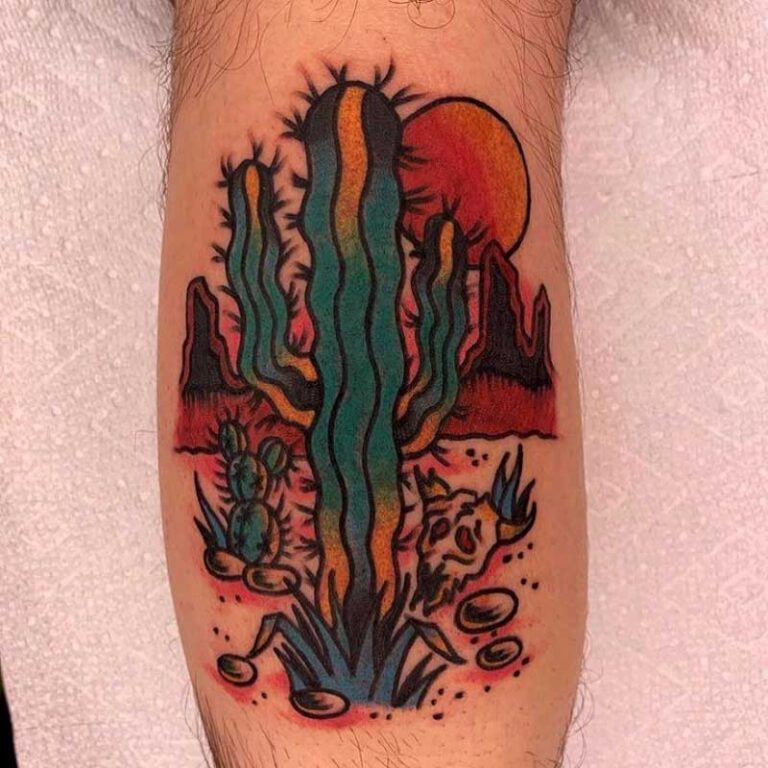
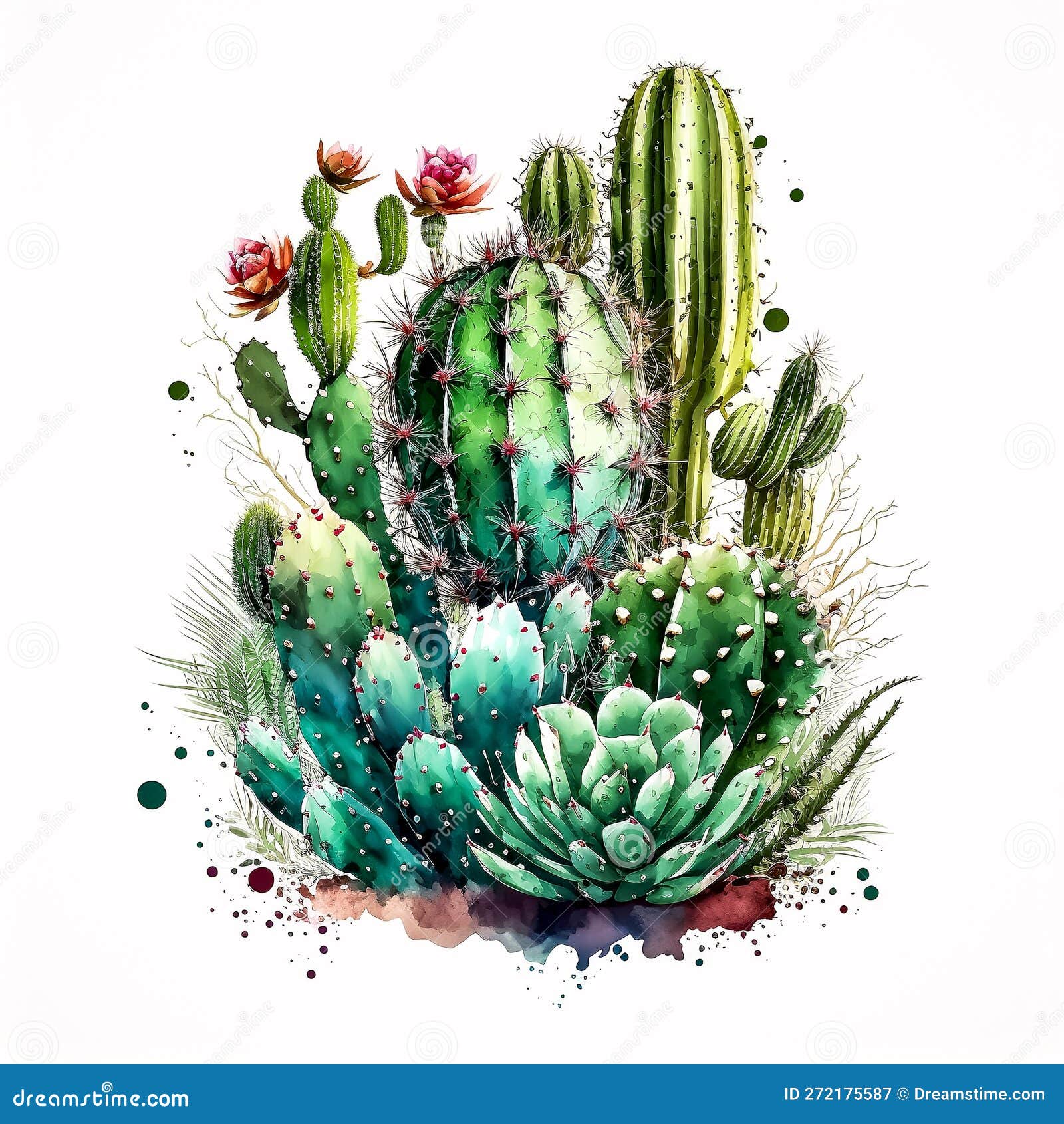
The beauty of Opuntia tattoos lies in their versatility. For those who favor subtlety, a single pad rendered in fine linework or dotwork can whisper volumes. The delicate tracery of spines becomes a whisper of resilience, a tattoo that speaks only to those who know how to listen. For the bold, hyper-realistic depictions capture the cactus in all its prickly glory—glistening with dew, casting shadows that feel almost tactile. Some designs incorporate the Opuntia’s vibrant flowers, splashes of pink or yellow that disrupt the monotony of green and brown, symbolizing joy amid struggle. Others play with surrealism, merging the cactus with celestial motifs or abstract patterns, creating a fusion of the earthly and the otherworldly. The possibilities are as endless as the desert horizon, limited only by the artist’s imagination and the wearer’s vision.
The Opuntia and the Cycle of Life: Death, Rebirth, and Regrowth
Few plants understand the art of regeneration like the Opuntia. Sever a pad, and it doesn’t wither—it takes root elsewhere, sprouting anew. This cyclical resilience makes it a potent symbol for those navigating loss, transition, or rebirth. A tattoo of an Opuntia can signify the end of one chapter and the beginning of another, a visual reminder that endings are merely preludes to new growth. In this light, the cactus becomes a metaphor for personal reinvention. It’s the inked equivalent of phoenix rising, but without the mythic grandeur—just the quiet, stubborn truth that life persists, even when pruned back to the roots. For those who’ve endured heartbreak, illness, or upheaval, the Opuntia tattoo is a talisman of renewal, a promise that the soil of adversity can still yield something beautiful.
Placement and Personal Significance: Where the Opuntia Resides
The placement of an Opuntia tattoo can amplify its meaning. A small design on the wrist or ankle might serve as a daily reminder of inner strength, a secret symbol tucked away for the wearer’s eyes only. A sprawling sleeve or back piece, meanwhile, transforms the cactus into a landscape of endurance, a living testament to battles fought and survived. Some choose to place the tattoo over scars, turning the body into a canvas where pain and triumph coexist. Others opt for visible locations, daring the world to underestimate them. The Opuntia doesn’t care where it’s worn—only that it’s seen, that its message is heard. Whether hidden or displayed, its presence is a silent challenge to those who would dismiss the wearer as anything less than formidable.
The Opuntia as a Conversation Starter: Breaking Stereotypes
Every Opuntia tattoo is an icebreaker, a visual prompt that invites curiosity and, often, misconceptions. “Is that a cactus?” someone might ask, to which the wearer can reply, “Yes—and it’s also a story.” These tattoos disrupt the monotony of conventional ink, sparking dialogues about resilience, feminism, and cultural heritage. They force observers to confront the unexpected, to see strength in places they might not have looked. In a world where tattoos are often reduced to clichés—anchors, roses, tribal bands—the Opuntia stands apart. It’s a design that demands attention, not just for its aesthetic, but for the ideas it carries. It’s a rebellion against the ordinary, a quiet revolution etched in ink.
Aftercare and Symbolism: Nurturing the Ink, Nurturing the Self
Even the act of caring for an Opuntia tattoo can mirror the symbolism it represents. Moisturizing the skin becomes an act of self-preservation, a ritual of renewal. Protecting the fresh ink from the sun is a lesson in guarding one’s energy, in knowing when to retreat and when to bloom. The healing process—itchy, tender, transformative—echoes the struggles that forge resilience. In this way, the tattoo’s aftercare isn’t just about preserving the design; it’s about honoring the journey that led to its creation. The wearer tends to their ink as they would tend to their own growth, recognizing that both require patience, care, and an unshakable belief in the power of time.
The Opuntia tattoo is more than a trend. It’s a declaration. It’s a reclamation. It’s a reminder that strength isn’t always loud or smooth—sometimes, it’s prickly, unexpected, and quietly magnificent. To wear this design is to carry the desert’s lessons with you, to let the earth’s most tenacious plant teach you how to thrive. So the next time you see an Opuntia in ink, look closer. It’s not just a cactus. It’s a story. And it’s waiting to be told.
FAQ
What do Opuntia tattoos represent?
Opuntia tattoos symbolize resilience, feminine strength, and cultural heritage, reflecting the cactus’s ability to thrive in harsh environments.
What are some design ideas for Opuntia tattoos?
Design ideas range from minimalist single pads to hyper-realistic depictions with vibrant flowers, often incorporating personal elements for deeper meaning.
Leave a Reply