
Short Answer
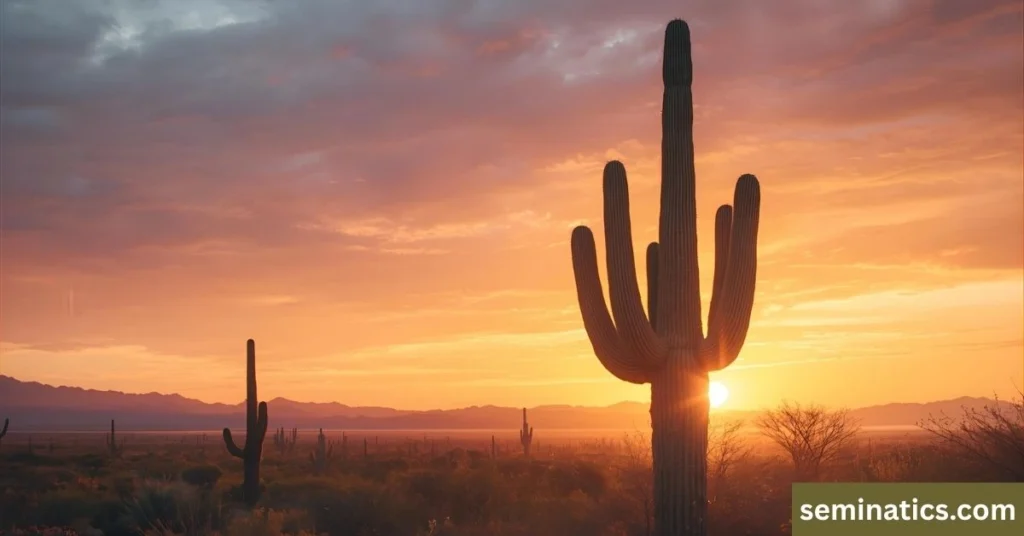
The towering silhouette of the Carnegiea gigantea, better known as the saguaro cactus, commands immediate respect and curiosity from anyone who encounters it in the arid deserts of the American Southwest. This majestic cactus is much more than a botanical marvel; it harbors layers of cultural symbolism that span centuries, weaving together threads of resilience, spirituality, and identity. Observers often find themselves entranced by its grand stature and intricate form, yet beneath this initial fascination lies a profound tapestry of meaning that enriches its presence in cultural narratives. The saguaro’s symbolism is a testament to how nature and human consciousness intertwine, creating emblems far greater than their physical existence.
The Monumental Presence: Saguaro as a Symbol of Endurance
Nothing quite prepares one for the imposing figure of a fully grown saguaro, often stretching upwards of forty feet, with outstretched arms seeming to reach for the heavens. This monumental presence naturally incites awe, and it is this very quality that positions the saguaro as an enduring symbol of resilience. To thrive in a desert that fluctuates between scorching heat and sudden droughts, the saguaro must epitomize patience and fortitude. Its slow growth—sometimes merely an inch per year in infancy—reflects a steadfast determination to persist, no matter how hostile the environment. This notion of unyielding strength resonates deeply within cultural stories, where the saguaro becomes an allegory for perseverance amidst adversity.

Communities living in proximity to this cactus have long revered it not only for survival but also as a symbol of enduring spirit. It embodies the capacity to withstand hardship and continue to grow, a trait mirrored in human journeys across generations.
Spiritual Reverence: The Saguaro in Indigenous Mythology
Beyond its awe-inspiring form, the saguaro cactus holds sacred meaning within Indigenous cultures, particularly among the Tohono O’odham people. It is more than a plant; it is a spiritual entity entwined with ritualistic significance. The saguaro is often regarded as a living ancestor or a guardian spirit, reflecting a bridge between the corporeal and the divine. Ceremonies involving the saguaro, such as harvest festivals of its fruit, are imbued with gratitude and respect, acknowledging the cactus as a life-giving force.
This deification aligns with animistic beliefs, where the natural world is animated by spiritual essence. The saguaro serves as a symbol of fertility, renewal, and protection. Its arms, like open embracing appendages, are poetically seen as welcoming allies in the vast, unforgiving desert – protectors against unseen dangers. Such symbolism deepens the emotional and spiritual fascination, underpinning a worldview that sees humanity and nature as inseparable collaborators in the dance of existence.
Ecological Icon: Sustainer of Desert Life
On a more tangible yet equally significant plane, Carnegiea gigantea functions as a keystone species within its ecosystem. This ecological role transforms the saguaro into a living emblem of interdependence and nourishment. Its pleated exterior ingeniously stores precious water, enabling survival through parched seasons. Simultaneously, its expansive arms provide crucial habitats for various desert animals—from the Gila woodpecker to elf owls—offering shelter and nesting grounds within its sturdy flesh.

The blossoms themselves, ephemeral yet brilliant, attract pollinators and herald the cyclical rejuvenation of life in barren landscapes. This biological symbiosis magnifies the saguaro’s symbolism, portraying it as a lifeline amidst scarcity, an oasis of stability and sustenance. It mirrors a profound ecological principle: true strength lies in connectivity and mutual support—a narrative that resonates deeply in cultural stories celebrating community and survival.
The Saguaro’s Iconography in Art and Popular Imagination
From vintage postcards to contemporary Western art, the saguaro cactus holds a cherished place as an iconic motif. Its instantly recognizable silhouette garners nostalgic reverence, symbolizing the rugged romanticism of the American Southwest frontier. This cultural iconography often conveys themes of solitude, tranquility, and rugged beauty, appealing across generations and geographies.
But the roots of this fascination extend beyond mere aesthetic admiration. The saguaro’s presence in storytelling and media channels a collective yearning for connection to the wild, untamed aspects of nature—an antidote to the frenetic pace of modern life. It stands as a silent sentinel, a reminder that some roots grow deeper and slower, unperturbed by passing time.
Beyond the Desert: Contemporary Symbolism and Urban Relevance
Intriguingly, the saguaro’s symbolism has transcended its desert origins and found new expressions in urban and global contexts. In recent years, it has become emblematic of resilience in public discourse—appearing in discussions about climate change, adaptability, and the human capacity for rebirth after hardship. Companies, artists, and thinkers invoke the cactus as a metaphor for sustainability and endurance, evoking admiration for nature’s quiet tenacity.
Its ability to thrive under scarce resources speaks directly to contemporary challenges, inspiring new narratives that blend tradition with innovation. The saguaro reminds us to stand tall in adversity, embrace our unique forms, and find strength in slow, deliberate growth. In this way, it bridges ancient wisdom and modern aspirations, making its symbolism timeless and universally relevant.
The Saguaro Blossom: A Delicate Yet Potent Emblem
Perhaps less known but no less important is the saguaro blossom, the official Arizona state flower, which blooms briefly in the early summer nights. Its delicate white petals and intoxicating fragrance offer a stunning contrast to the cactus’s rugged exterior. This ephemeral flower symbolizes hope, renewal, and the beauty that emerges even in the harshest environments.
Within cultural symbolism, the blossom serves as a nuanced reminder that resilience is not merely about endurance, but also about the capacity to create and radiate beauty against all odds. It inspires an optimistic perspective that balances the harsh realities of life with moments of joyful blossoming. The saguaro thus embodies a dynamic interplay between strength and grace, perennial growth and fleeting brilliance.
In summary, the Carnegiea gigantea stands as a multifaceted emblem—one that speaks to resilience, spirituality, ecological harmony, cultural identity, and contemporary inspiration. This cactus invites us to look beyond its thorny exterior and towering form, into a rich symbolic world where nature and humanity converse. Each arm, each thorn, and each blossom carries stories that remind us of the profound connections we share with the landscapes that shape us and the deeper meanings we find in standing tall through life’s deserts.
FAQ
What does the saguaro cactus symbolize?
The saguaro cactus symbolizes resilience, endurance, and spiritual significance, particularly in Indigenous cultures.
How does the saguaro cactus support its ecosystem?
The saguaro cactus provides essential habitats for various desert animals and stores water, supporting life in arid environments.



Leave a Reply