
Short Answer
The Schlumbergera, affectionately dubbed the “dancer of the cactus world,” is a plant that defies expectations with its graceful, arching stems and vibrant, orchid-like blooms. When its leaves begin to wilt, it’s not just a sign of distress—it’s a plea for attention, a silent waltz of survival that demands we listen. Reviving a wilted Schlumbergera isn’t merely about restoring its former glory; it’s about rekindling a relationship with nature’s most resilient performers. This guide is your backstage pass to understanding the drama behind the wilt and orchestrating a revival that’s as dramatic as it is rewarding.
The Tell-Tale Signs: Decoding the Wilt’s Whisper
Wilt in a Schlumbergera is never a solitary event; it’s a chorus of symptoms that sing in harmony. The first act often begins with the stems, once plump and upright, now sagging like wilted ballerinas mid-pirouette. Their once-firm texture softens, betraying a loss of turgidity that speaks of dehydration or root distress. The leaves, those verdant ribbons of life, may curl inward like a clenched fist, their edges crisping into a brittle brown that hints at a thirst unquenched or a sunburn unchecked.
But the wilt’s narrative doesn’t end there. A closer inspection reveals the subtler villains: soil that clings too tightly, suffocating the roots in a damp embrace, or a pot that’s become a prison, its drainage holes clogged with the remnants of forgotten waterings. Even the air itself can turn traitor, too dry and arid, sapping the moisture from the plant’s delicate tissues. Each symptom is a clue, a piece of the puzzle that, when assembled, reveals the true culprit behind the wilt.
The Root of the Problem: Unraveling the Mystery Below
To revive a Schlumbergera, one must first descend into the subterranean world of its roots—a realm often overlooked but critical to its survival. Root rot, the silent assassin, thrives in waterlogged soils, its fungal tendrils creeping through the damp earth to strangle the plant’s lifelines. If the roots emerge from the soil blackened, mushy, and emitting a foul odor, rot has already claimed its prize. But not all is lost; even in this dire scenario, there’s hope in the form of a surgical strike: pruning away the decayed roots with sterilized shears and repotting the plant in fresh, well-draining soil.
Conversely, if the roots are pale, firm, and sparse, the wilt stems from a different tragedy: neglect. A Schlumbergera left parched for too long will send its stems into a dramatic slump, its leaves shrinking like a deflated balloon. In this case, the solution is a gentle rehydration, a slow and steady revival that begins with a thorough soaking and ends with a return to a balanced watering schedule. The key is patience; these plants are survivors, but they demand respect for their rhythms.
The Dance of Light and Water: Striking the Perfect Balance
A Schlumbergera’s relationship with light is a delicate tango—too much direct sun, and its leaves crisp like autumn leaves; too little, and it stretches toward the light like a starved dancer, its stems elongating unnaturally. The ideal partner for this plant is bright, indirect light, the kind that filters through a sheer curtain or dances across a north-facing windowsill. East-facing exposures are particularly kind, offering a gentle morning glow that coaxes blooms without scorching the foliage.
Water, too, is a partner in this dance, but one that must be led with precision. The Schlumbergera’s epiphytic nature means it thrives in moisture but despises stagnation. The soil should be allowed to dry slightly between waterings, a rhythm that mimics the natural cycles of its native rainforest habitat. When watering, drench the soil thoroughly, then allow the excess to drain away—never let the plant sit in a saucer of water, a mistake that invites root rot to the party. In winter, when the plant enters a dormant phase, reduce waterings to a mere whisper, just enough to keep the stems from shriveling.
The Revival Ritual: A Step-by-Step Resurrection
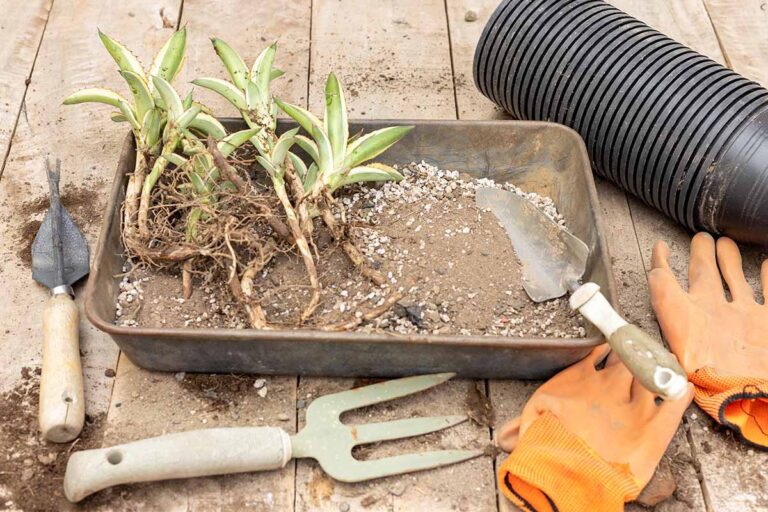
Reviving a wilted Schlumbergera is less about brute force and more about finesse—a series of deliberate acts that coax the plant back to life. Begin by assessing the damage: if the stems are still pliable, a simple change in care may suffice. Trim away any dead or mushy sections with clean scissors, then repot the plant in fresh, airy soil, perhaps amended with perlite or orchid bark to improve drainage. If the roots are in dire straits, consider a root bath in a weak solution of hydrogen peroxide to kill any lingering pathogens before replanting.
Next, place the plant in a location where it can bask in indirect light, shielded from the harsh midday sun. Water it gently but thoroughly, then resist the urge to coddle it with excess moisture. Instead, mist the stems lightly to boost humidity, a trick that mimics the misty ambiance of its natural habitat. Within a few weeks, new growth should emerge, a testament to the plant’s resilience and your care. If the wilt was severe, the blooms may be delayed, but the stems will regain their vigor, ready to perform their seasonal spectacle once more.
The Long Game: Cultivating a Relationship with Your Schlumbergera
Reviving a Schlumbergera is not a one-time act but the beginning of a lifelong partnership. These plants are not mere decorations; they are living entities with needs and quirks, deserving of attention and respect. To prevent future wilt, observe your plant like a devoted audience member, noting its reactions to changes in light, water, and temperature. Rotate the pot occasionally to ensure even growth, and fertilize sparingly during the growing season, using a balanced formula that won’t overwhelm its delicate system.
And when the blooms finally arrive—those radiant, tubular flowers that defy the cactus stereotype—take a moment to marvel. Each petal is a testament to your care, a fleeting but brilliant performance that reminds us all of nature’s tenacity. The Schlumbergera’s wilt is not a tragedy but a prelude, a chance to deepen your connection with this extraordinary plant and, in doing so, rediscover the quiet magic of the natural world.
FAQ
What are the signs of a wilted Schlumbergera?
Signs include sagging stems, curling leaves, and browning edges.
How can I revive a wilted Schlumbergera?
Prune damaged parts, repot in fresh soil, ensure proper watering and light.


Leave a Reply