
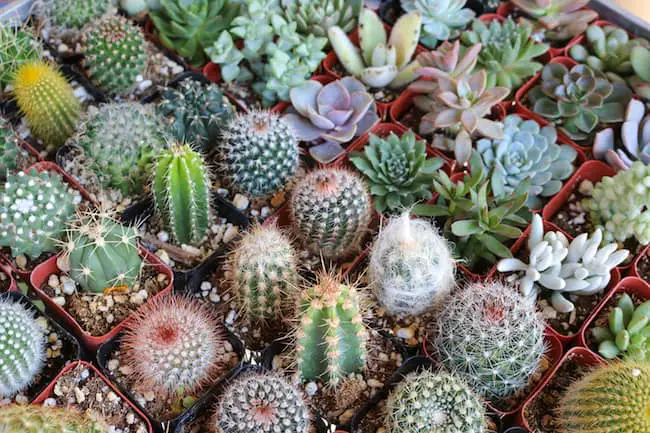
Short Answer
Imagine a world where your living room becomes a lush, self-sustaining oasis—where every spare fragment of a cactus or succulent can sprout into a thriving new plant, gifting you not just greenery, but a sense of accomplishment and connection to the earth. Propagation isn’t just a gardening technique; it’s a quiet revolution, a way to multiply life with nothing more than patience, a steady hand, and a dash of botanical intuition. And when it comes to cacti, those resilient desert sentinels, the fastest methods of propagation can transform your collection from a few lonely pots into a sprawling, vibrant ecosystem in record time.
The Art of Cactus Propagation: Why Speed Matters
Cacti aren’t just survivors—they’re opportunists. In their native habitats, where water is scarce and the sun relentless, these plants have evolved to reproduce swiftly when conditions are favorable. Harnessing that evolutionary drive in your own space means tapping into a natural rhythm, one where growth isn’t just encouraged but accelerated. Speed in propagation isn’t about cutting corners; it’s about working with the plant’s biology to minimize stress and maximize output. When done correctly, the fastest methods can yield new plants in weeks rather than months, turning a single cactus into a legacy of green resilience.
Stem Cuttings: The Boldest Move in Cactus Propagation
Few techniques embody the audacity of cactus propagation like stem cuttings. This method involves severing a healthy segment of the plant—be it a paddle, a column, or a rosette—and coaxing it to root anew. The key lies in timing and precision. Cuttings taken during the active growing season, typically spring or early summer, have the highest success rates because the plant’s internal systems are primed for growth. But here’s the twist: not all cacti are created equal. Some, like the Trichocereus pachanoi, are notorious for their eagerness to root, while others, such as the finicky Astrophytum, may require a bit more finesse. The process begins with a clean cut, using a sterilized blade to prevent infection. Allow the wound to callus over for a few days—this isn’t just a waiting game; it’s a critical step that prevents rot and signals the plant to begin healing. Once callused, the cutting is ready to meet its new home: a well-draining mix of sand and perlite, where it can stretch its metaphorical roots without drowning in moisture.
Offsets and Pups: Nature’s Free Plantlets
Some cacti are downright generous, producing offsets—tiny plantlets that emerge at the base of the mother plant like loyal offspring. These pups are nature’s shortcut to propagation, offering a ready-made clone of the parent with minimal effort. The fastest way to utilize them? Gently twist or cut them away, ensuring you retain some of the root system if possible. If roots are absent, don’t despair. A brief drying period followed by a light dusting of rooting hormone can jumpstart the process. Place the pup in a gritty medium, and within weeks, it will anchor itself, eager to grow. This method is particularly rewarding because it requires almost no skill—just a watchful eye and a gentle touch. It’s propagation for the lazy gardener, yet the results are anything but lazy.
The Power of Grafting: Merging Strengths for Faster Growth
Grafting is where propagation meets alchemy. By fusing the tissues of two different cacti, you can create a hybrid that inherits the best traits of both parents—vibrant colors, rapid growth, or even disease resistance. The fastest way to master this technique is to start with a sturdy rootstock, like a Hylocereus or a robust Cereus, and a scion (the piece you want to propagate) from a more delicate or slow-growing cactus. The process demands precision: both the rootstock and scion must be cut cleanly, their vascular tissues aligned, and the union secured with grafting wax or a rubber band. Within days, the tissues will knit together, and the scion will begin to flourish, fed by the rootstock’s vigor. This isn’t just propagation; it’s botanical engineering, a way to sculpt life itself.
Layering: The Stealthy Propagator’s Secret
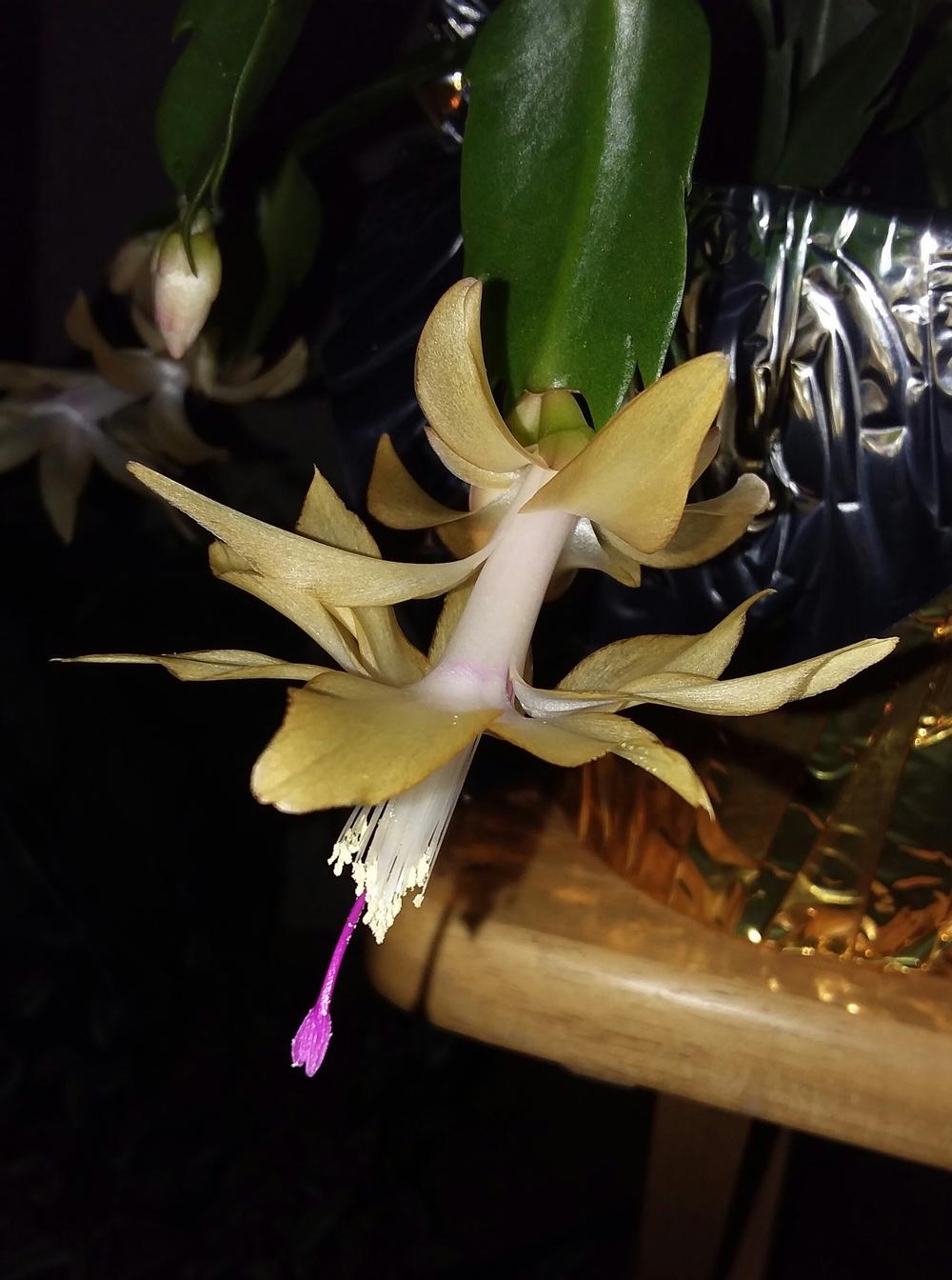
Layering is the propagation equivalent of a well-executed heist—subtle, strategic, and wildly effective. It involves encouraging a cactus to root while it’s still attached to the mother plant, then severing the new growth once it’s self-sufficient. This method is ideal for sprawling or trailing cacti, like the Christmas cactus or certain species of Epiphyllum. To execute, simply bend a healthy stem to the soil, nick the underside lightly to expose the cambium layer, and secure it with a small weight or a U-shaped pin. Keep the soil moist but not soggy, and in a matter of weeks, roots will emerge. Once established, the new plant can be cut free, ready to embark on its own journey. Layering is slow in the grand scheme of propagation, but its stealth makes it a favorite among those who prefer to let nature do the heavy lifting.
Optimizing the Environment: The Unsung Hero of Fast Propagation
No matter the method, the environment is the silent partner in every propagation success story. Cacti, despite their desert reputations, are surprisingly sensitive to their surroundings. The fastest propagation occurs when temperature, humidity, and light are dialed in to perfection. Aim for a consistent temperature between 70–80°F (21–27°C), as cooler conditions slow cellular activity to a crawl. Humidity should hover around 50–60%—high enough to prevent desiccation but low enough to ward off rot. Light is the final piece of the puzzle. A bright, indirect source, like a south-facing window or a grow light, provides the energy needed for photosynthesis without scorching tender new growth. Think of it as creating a microclimate where the cactus feels like it’s basking in its natural habitat—because, in a way, it is.
Troubleshooting: When Propagation Meets Resistance
Even the most meticulous propagator will encounter setbacks. Maybe a cutting rots before it roots, or a pup withers before it can take hold. The fastest way to troubleshoot is to diagnose the problem early. Rot is often a sign of excess moisture; if the cutting feels mushy, it’s time to start over with a drier medium. Yellowing or wrinkled tissue suggests underwatering or sunburn—adjust the light and hydration accordingly. And if a plant simply refuses to grow, consider whether it’s entering dormancy, a natural resting phase that requires patience rather than intervention. Propagation isn’t just about speed; it’s about listening to the plant’s cues and adapting your approach. Sometimes, the fastest growth comes from knowing when to step back.
The Ripple Effect: Propagation as a Lifestyle
Beyond the tangible rewards of a thriving cactus collection lies a deeper transformation. Propagation teaches patience, resilience, and the quiet joy of nurturing life from the smallest fragments. It turns a hobby into a legacy, a single plant into a lineage of green descendants. And in a world where instant gratification often trumps slow, deliberate growth, cactus propagation offers a radical alternative: a reminder that some things are worth the wait. So grab your shears, prepare your soil, and get ready to witness the fastest way to multiply life itself.
FAQ
What is the fastest way to propagate cacti?
The fastest methods include using stem cuttings, offsets, grafting, and layering, depending on the cactus species.
What conditions are ideal for cactus propagation?
An environment with consistent temperatures of 70–80°F, humidity around 50–60%, and bright, indirect light is ideal for cactus propagation.
FAQ
What is the fastest method to propagate cacti?
The fastest methods include stem cuttings, using offsets, grafting, and layering, depending on the type of cactus.
What environmental conditions are best for cactus propagation?
Optimal conditions include temperatures between 70-80°F, humidity around 50-60%, and bright, indirect light.
What should I do if my cactus cutting rots?
Check for excess moisture; if the cutting feels mushy, start over with a drier medium.


Leave a Reply