
Short Answer
Rebutia cacti, with their vibrant, fiery blooms and compact, globular forms, are a treasure trove for succulent enthusiasts. These resilient little plants, native to the high-altitude regions of South America, have adapted to thrive in conditions where water is a scarce and precious resource. Yet, even the hardiest of cacti can succumb to the silent killer of overwatering—a fate that befalls far too many well-meaning plant parents. Understanding how often to water Rebutia is not just about adhering to a rigid schedule; it’s about tuning into the subtle language of your plant, interpreting the signs it sends, and respecting its natural rhythms. Whether you’re a seasoned green thumb or a novice with a penchant for these spiny wonders, this guide will illuminate the path to keeping your Rebutia hydrated without drowning its spirit.
The Delicate Dance of Water and Drought: Rebutia’s Natural Habitat
To master the art of watering Rebutia, one must first step into its world—a world of arid landscapes, where the sun beats down relentlessly and rain is a rare, fleeting guest. Rebutia species, such as *Rebutia minuscula* or *Rebutia kariusiana*, hail from the Bolivian and Argentinean Andes, where they cling to rocky crevices and sparse vegetation. In these environments, water is not a daily affair but a seasonal luxury. During the rainy season, which typically spans from late spring to early autumn, these cacti absorb moisture voraciously, storing it in their plump stems to sustain them through the long, dry months. This cyclical pattern is the key to unlocking the perfect watering routine for your Rebutia. Mimicking this natural ebb and flow—watering deeply but infrequently—encourages robust root growth and prevents the dreaded rot that plagues overzealous waterers.
Signs of Thirst: Decoding Your Rebutia’s Silent Cries
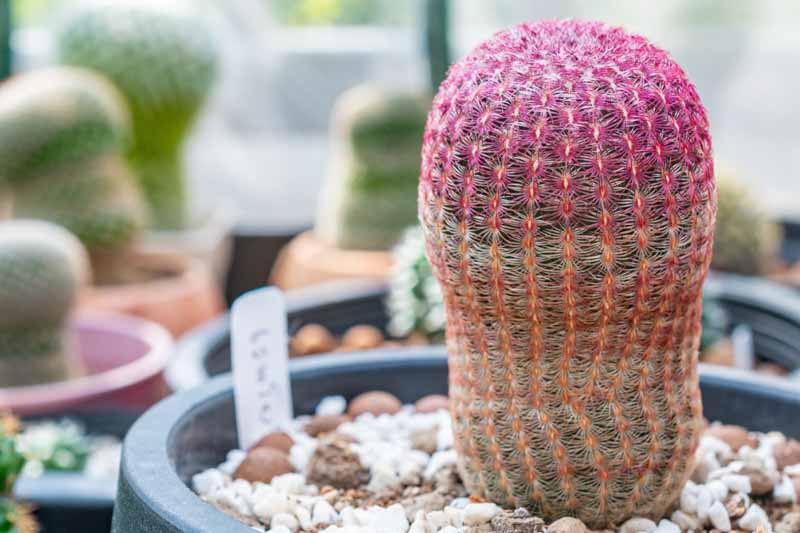
Rebutia may not speak, but it communicates in a language of textures and hues. A thirsty Rebutia will exhibit a subtle hollowing at its base, where the stem appears to shrink inward, as if retreating from the world. The once-firm flesh may soften, losing its turgid resilience, a clear indication that the plant’s internal reserves are depleted. Conversely, an overwatered Rebutia will swell unnaturally, its once-sleek surface becoming bloated and translucent, a telltale sign of cellular distress. The spines, usually a vibrant contrast to the stem’s green or reddish tones, may appear dull or even slightly discolored. Wilting or a loss of vibrancy in the plant’s overall appearance can also signal distress, though this is often a late-stage symptom. By observing these visual cues, you can adjust your watering habits before irreversible damage occurs.
The Golden Rules: When and How to Water Rebutia
Watering Rebutia is less about the calendar and more about the conditions. The first rule is to water only when the soil is completely dry. This may mean waiting weeks between waterings, especially during the cooler months when the plant enters a semi-dormant state. A simple finger test—inserting your finger about an inch into the soil—can confirm whether the time is ripe for hydration. When you do water, do so thoroughly, ensuring that the moisture reaches the deepest roots. A deep soak encourages the roots to grow downward, seeking water and anchoring the plant securely. However, always allow excess water to drain away; Rebutia despises soggy feet, and stagnant water is a fast track to root rot. The pot’s drainage holes are non-negotiable—never compromise on this front.
Seasonal adjustments are crucial. During the active growing season (spring to early autumn), watering frequency can increase to every 2-3 weeks, depending on your climate. In hotter, drier regions, you may need to water more often, while cooler, humid environments demand restraint. Winter, however, is a time of rest. Reduce watering to once a month or less, allowing the plant to slow its metabolism and conserve energy. This period of dormancy is vital for encouraging future blooms, as Rebutia often flowers in response to the contrast between dry rest and renewed growth.
Pot and Soil: The Unsung Heroes of Rebutia Care
The vessel in which your Rebutia resides plays a pivotal role in its hydration needs. Terracotta pots, with their porous nature, wick away excess moisture, making them an excellent choice for these cacti. Plastic pots, while lightweight and practical, retain moisture longer and require even more cautious watering. Regardless of the material, ensure the pot is the right size—snug enough to prevent soil from staying wet too long, but not so tight that it stifles root expansion.
The soil mix is equally critical. Rebutia thrives in a gritty, well-draining substrate that mimics its native rocky habitat. A blend of cactus or succulent soil with perlite, pumice, or coarse sand (in a ratio of about 2:1) provides the ideal balance of aeration and moisture retention. Avoid heavy, organic-rich soils, which retain too much water and suffocate the roots. If you’re repotting, choose a shallow container, as Rebutia’s root systems are relatively compact and prefer a snug fit.
Common Pitfalls: Overwatering and Its Sinister Cousins
Overwatering is the most insidious threat to Rebutia, often masquerading as kindness. The symptoms—yellowing stems, mushy texture, and a foul odor—are telltale signs of a plant drowning in its own pot. Once rot sets in, it spreads like wildfire, often requiring drastic measures, such as cutting away affected tissue or even propagating healthy offsets to save the plant. To avoid this tragedy, err on the side of underwatering. Rebutia can tolerate dryness far better than excess moisture.
Another pitfall is the misconception that frequent misting is beneficial. While some cacti enjoy a light mist, Rebutia prefers to remain dry on its surface. Misting can lead to prolonged dampness, inviting fungal infections and pests. Stick to soil watering, and let the plant’s spines and waxy cuticle do the rest.
Seasonal Strategies: Adapting to Nature’s Whims
The rhythm of the seasons dictates the watering cadence for Rebutia. In spring, as temperatures rise and daylight lengthens, the plant awakens from its winter slumber. Gradually increase watering, but always check the soil’s dryness first. Summer demands vigilance—water when the top inch of soil is dry, and be mindful of heatwaves, which can accelerate evaporation and stress the plant. Autumn is a transitional period; as temperatures cool, reduce watering to prepare the plant for its winter rest. Finally, winter calls for minimal intervention. A sparse watering every 4-6 weeks is usually sufficient, provided the plant is kept in a cool (but not freezing) environment.
Troubleshooting: Reviving a Waterlogged Rebutia
If your Rebutia has fallen victim to overwatering, don’t despair. Act quickly to assess the damage. Remove the plant from its pot and inspect the roots. Healthy roots are firm and white, while rotten roots are dark, mushy, and emit a foul smell. Trim away any affected tissue with a sterilized knife, and allow the remaining roots to dry for a day or two. Repot the plant in fresh, dry soil, and withhold water for at least a week to prevent further stress. Place the plant in a bright, indirect light location to aid recovery. In severe cases, propagation may be the only recourse—snip off a healthy offset, let it callus over for a few days, and then plant it in dry soil.
Final Thoughts: The Art of Patience and Observation
Watering Rebutia is not a task to be rushed or mechanized. It is an exercise in patience, observation, and intuition. These plants reward those who listen more than they lecture, who observe more than they act. By understanding Rebutia’s natural inclinations and respecting its boundaries, you’ll cultivate not just a thriving plant, but a deeper connection to the rhythms of the natural world. So, the next time you reach for the watering can, pause. Check the soil. Watch the spines. Let the plant guide you. In doing so, you’ll not only keep your Rebutia alive—you’ll help it flourish.
FAQ
How often should I water my Rebutia?
Water your Rebutia every 2-3 weeks during the growing season, and reduce to once a month or less in winter.
What are the signs of overwatering in Rebutia?
Signs include yellowing stems, mushy texture, and a foul odor. The plant may also appear bloated and translucent.

Leave a Reply