
Short Answer
Have you ever found yourself staring at your cactus, perplexed by its sudden decline? It’s a disheartening experience—a vibrant green companion now appears lackluster. The world of cacti is vast and intricate, teeming with various species, each possessing unique needs and vulnerabilities. Understanding what might be ailing your cactus involves a keen eye and an inquisitive mind. This article will delve into the essential aspects of diagnosing common cactus problems, promising to enrich your perspective on this fascinating desert plant.
By the end, you’ll not only grasp the underlying issues affecting your cactus but also cultivate a deeper appreciation for these resilient botanicals.
Understanding the Basics of Cactus Care
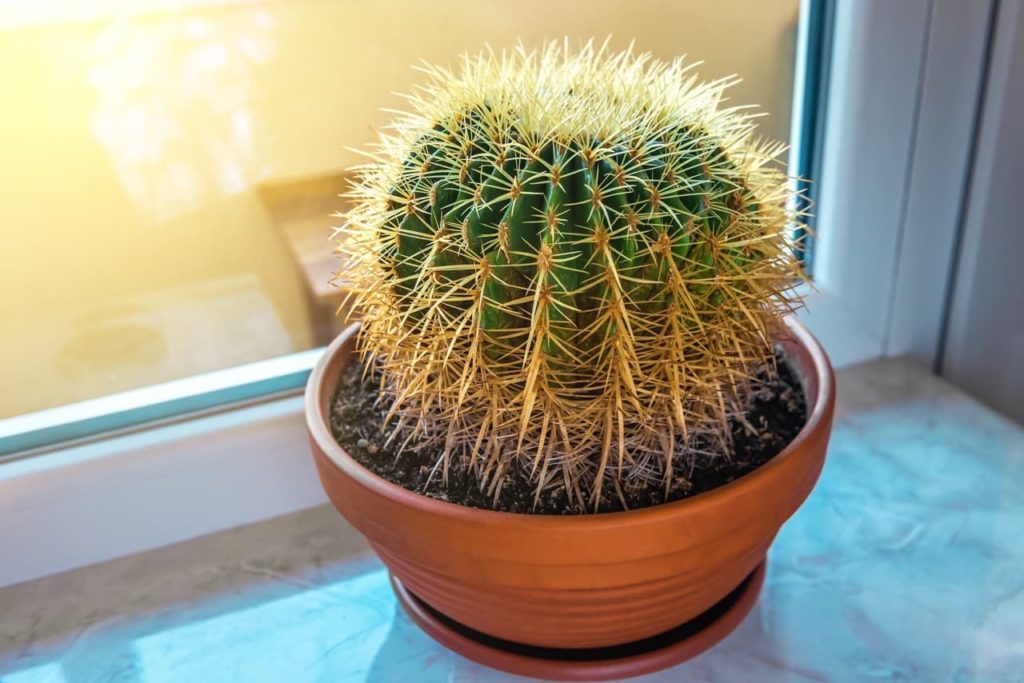
Before we embark on our diagnostic journey, it is crucial to establish a foundation of cactus care. Cacti thrive in arid environments, adapting to limited water and abundant sunlight. These adaptations create specific care requirements; thus, irrigation frequency, lighting conditions, and soil type can significantly influence the health of your cactus. Educating yourself on these fundamental elements is the first step in preventing potential issues.
Watering, often the bane of many succulent caretakers, warrants special attention. Overwatering is one of the leading causes of cactus distress. The soil should dry out completely between watering sessions. Conversely, inadequate watering can lead to shriveling and stunted growth. Finding the delicate balance is essential. Observe your cactus closely to ensure you are meeting its needs without drowning it.
Lighting setups are equally paramount. While most cacti bask in full sunlight, some species prefer filtered light. Pay attention to signs of stress, such as elongated stems and pale colors, which can indicate insufficient light exposure. With the right watering and lighting, you pave the way for a thriving cactus.
Identifying Symptoms: A Window into Cactus Health
When diagnosing Cacti problems, observing symptoms serves as a crucial diagnostic tool. Each visible sign often signals a specific issue that may require your attention. Let’s examine some prevalent symptoms, their meanings, and corresponding remedies.
Discoloration Dilemmas: Spotting the Signs
Discoloration is one of the most common signs of cactus distress. Yellowing can indicate overwatering; when roots are deprived of oxygen, they become vulnerable to rot. In contrast, a cactus that appears brown or shriveled might be suffering from dehydration. Investigate the soil’s moisture level. If it remains soggy, re-evaluate your watering practices. For dehydrated cacti, a gentle soak can rejuvenate the plant, but be cautious not to overcompensate.
Spots and Blotches: Forecasting Fungal Infections
Dark spots or blotches on your cactus can hint at fungal infections, often resulting from excessive moisture and poor air circulation. Remove the affected areas using sterilized tools and ensure your cactus has adequate ventilation. Applying a fungicide might be necessary, but prevention is best achieved through proper watering techniques and spacing your plants adequately to allow for airflow.
The Need for a Refresh: Root Rot Revelations
If the base of your cactus appears mushy or has an offensive odor, root rot may be the culprit. This alarming condition can lead to plant death if not addressed promptly. Carefully remove the cactus from its pot and inspect the roots. Trim away any decayed sections and repot using fresh, well-draining soil. Remember, prevention is paramount. Choose pots with drainage holes, and never allow your cactus to sit in water.
Unwelcomed Guests: Pest Interrogations
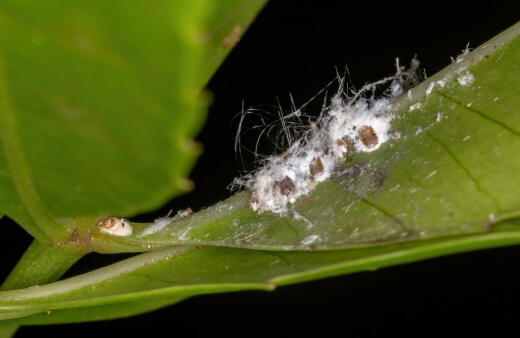
Cacti, although hardy, can fall prey to various pests. Mealybugs and spider mites can wreak havoc if not properly identified and managed. Mealybugs appear as white, cottony masses, while spider mites manifest as fine webs. To battle these invaders, a mild insecticidal soap can be employed, ensuring all affected areas are treated thoroughly. Regularly inspecting your cactus for signs of infestation will enhance your chances of catching issues before they escalate.
Changing Environment: The Impact of Seasonal Shifts
Environmental fluctuations can momentarily disrupt cactus equilibrium. As seasons change, the shift in temperature and humidity can provoke stress reactions. For instance, during the winter months, a cactus may enter a dormant phase requiring significantly less water and sunlight. Adapt your care routine accordingly to prevent unnecessary strain on your plant.
Conclusion: Embracing the Journey of Cactus Care
Maneuvering through the ups and downs of cactus care fosters a rich and rewarding experience. A willingness to learn and adapt will transform you into a more perceptive caretaker. Regularly observe your cactus, remain proactive about pests, water wisely, and adjust light exposure as necessary. With time and practice, you will cultivate an ever-growing appreciation for these resilient, beautiful specimens.
Remember, diagnosing cactus issues can open new avenues for growth—both for your plant and your understanding of plant care. Engage with your cactus, embrace the journey, and let it thrive under your vigilant stewardship.
FAQ
What are the most common causes of cactus discoloration?
Common causes include overwatering leading to yellowing, dehydration causing browning and shriveling, and fungal infections resulting in dark spots.
How can I tell if my cactus has root rot?
Signs of root rot include a mushy base, foul odor, and decayed roots. Immediate repotting with fresh soil and trimming of affected roots is necessary.
What pests commonly affect cacti and how can I control them?
Mealybugs and spider mites are common pests. They can be controlled using insecticidal soap and regular inspection to catch infestations early.
How often should I water my cactus?
Water only when the soil is completely dry, avoiding overwatering which is a leading cause of cactus problems.
How does seasonal change affect cactus care?
During colder months, many cacti enter dormancy requiring less water and sunlight, so care routines should be adjusted accordingly.
Leave a Reply