

Short Answer
The Cleistocactus, with its sinuous, columnar form adorned by a cloak of spines and delicate, tubular flowers, captivates plant enthusiasts worldwide. Its unique charm lies not only in its aesthetic but in the silent stories it weaves in its battle against unseen adversaries. Among these struggles, common pest problems emerge as intriguing chapters in the plant’s lifecycle—a testament to the complexities of nurturing such desert jewels. Understanding these challenges opens a window into the broader fascination that gardeners feel for these resilient cacti and inspires innovative care strategies that harmonize with nature’s unseen dramas.
Identifying the Usual Suspects: Common Pests on Cleistocactus
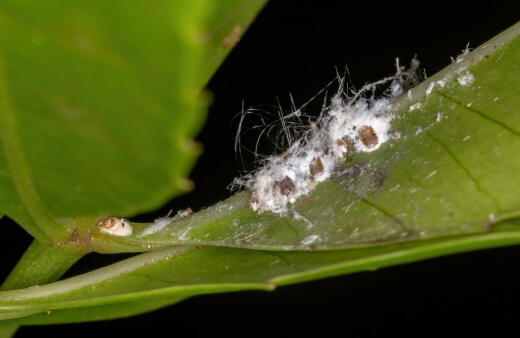
The Cleistocactus is no stranger to pest invasions, despite its hardy appearance. Common culprits typically include mealybugs, spider mites, scale insects, and aphids. Each perpetrator presents unique challenges and subtle symptoms that often elude the casual observer. Mealybugs, those cottony white clusters, often nestle in the nooks where stem segments join, slowly siphoning vital sap and weakening the plant. Spider mites are almost invisible to the naked eye but leave behind spidery webs and a stippled discoloration on the cactus surface. Scale insects resemble tiny, immobile shields clinging stubbornly to the spiny pillars, while aphids are more transient, flocking in groups on new growth and flower buds.
The Intricate Web of Life: Why Cleistocactus Attracts Pests
At first glance, it may seem paradoxical that a plant adapted to harsh, arid environments becomes an appealing host for diverse pests. However, this proximity unveils a complex ecological interplay. The succulent tissues offer a rich reservoir of moisture and nutrients in an otherwise desolate setting. Such resources are an irresistible lure for sap-sucking insects seeking sustenance and shelter. Moreover, the spiny armor that serves as a defensive barrier also creates microhabitats where pests can evade natural predators and environmental extremes. This duality — of defense and inadvertent refuge — adds a fascinating layer to the Cleistocactus narrative, reflecting nature’s intricate balances.
Symptoms and Signs: Detecting Pest Problems Early
Observant gardeners often notice early signs that hint at pest invasions before they escalate. A slight yellowing or browning of stem segments can be one of the first indicators. Watch also for sticky residues, known as honeydew, secreted by aphids and mealybugs, which fosters mold growth and further weakens the plant. Webbing spun by spider mites overlays the otherwise pristine stems with fine, filmy threads that glint in sunlight. The tactile experience of running fingers along the cactus can also reveal anomalies—bump-like scales or powdery residues where healthy green skin should dominate. Early detection allows for swift countermeasures, preserving the cleistocactus’s vigor and splendor.
Effective Management Techniques: From Organic Remedies to Integrated Pest Control
Combatting Cleistocactus pests often demands a blend of precision and compassion. Chemical interventions have their place, but a more holistic approach channels the vitality of the plant and its ecosystem. Manual removal using cotton swabs dipped in isopropyl alcohol can decisively eliminate mealybugs and scale insects without collateral damage. Neem oil acts as a botanical sentinel, disrupting pest lifecycles and repelling unwelcome intruders while nourishing the cactus skin. Introducing natural enemies, such as ladybugs and predatory mites, cultivates a balanced environment where pests are kept in check by their own predators.
The Role of Environment: How Culture Influences Pest Prevalence
Environmental conditions significantly influence the susceptibility of Cleistocactus to pest infestations. Overwatering, a common misstep, creates overly humid microclimates favoring spider mites and fungal growth. Conversely, drought stress can weaken the plant, lowering its natural defenses. Optimal light exposure—not too harsh, yet sufficiently bright—helps maintain robust growth, making the cactus less hospitable to pests. Additionally, ensuring adequate air circulation reduces stagnant conditions where pests thrive. Understanding and tailoring the growing environment is thus a pivotal strategy to preempt pest outbreaks and fortify the cactus’s resilience.
Long-Term Perspectives: Cultivating Patient Vigilance and Fascination with Resilience
Each pest challenge faced by a Cleistocactus not only tests the horticulturist’s resolve but enriches the narrative of plant stewardship. Observing how these resilient cacti respond to adversity fosters a deeper appreciation for their survival strategies. It encourages patient vigilance, a periodic ritual of inspection and care that transforms gardening from routine into an intimate dialogue with nature. This ongoing interaction fuels a fascination with the subtle, often unseen forces at play in the microcosm of pest and plant, sparking curiosity and inspiring innovative solutions in cultivation.
Conclusion: Embracing the Challenge to Celebrate the Cleistocactus
The presence of pests on Cleistocactus, while initially daunting, ultimately enhances the mystique surrounding these desert sentinels. Recognizing the signs, appreciating the ecological complexity, and employing thoughtful management deepen both the long-term health of the cactus and the gardener’s connection to it. Through these intersections of struggle and survival, the Cleistocactus emerges not only as a botanical specimen but as a living emblem of resilience, captivating hearts one stinging spine and one tiny pest at a time.
FAQ
What pests commonly infest Cleistocactus?
The most common pests are mealybugs, spider mites, scale insects, and aphids.
How can I identify a pest infestation early on my Cleistocactus?
Look for yellow or brown spots, sticky residue, webbing, and unusual bumps or powdery textures on the cactus surface.
What organic methods are effective against Cleistocactus pests?
Using cotton swabs with isopropyl alcohol, neem oil, and introducing beneficial insects like ladybugs can control pests naturally.
How does watering affect pest infestations on Cleistocactus?
Overwatering creates humid conditions that favor pests like spider mites and fungal growth, so proper watering is crucial.
Leave a Reply